
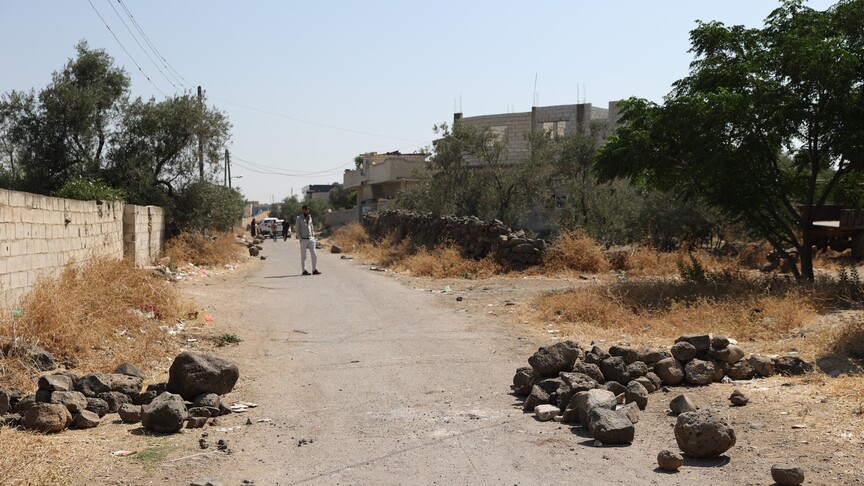
Israeli military operations in southern Syria have become increasingly frequent, highlighting ongoing tensions in the region. Recent reports indicate that Israeli forces launched a house-search operation in Rasm al-Ajraf, located in Quneitra province. This action is part of a broader pattern of Israeli incursions and military activities in southern Syria.
Increased Military Activity in Southern Syria
The recent raid in Rasm al-Ajraf reportedly took place on a Thursday, but specific details surrounding the operation remain elusive. This comes amid a series of coordinated Israeli actions in the region, particularly focused on Quneitra and Daraa, which have consistently faced military scrutiny from Israeli forces. Residents and local authorities are often left in the dark during these operations, which usually include searches, arrests, and the establishment of military checkpoints.
Escalation of Israeli Airstrikes
On August 18, Israeli warplanes conducted multiple airstrikes targeting the Abu al-Duhur Military Airbase in northwestern Idlib province. Eight strikes were reported, resulting in significant damage to the airbase’s infrastructure. These airstrikes indicate a strategic emphasis by Israel on neutralizing potential threats from military installations that could be used against it, particularly in the wake of increased regional instability.
Impact of the Syrian Civil War
The dynamics in southern Syria have shifted dramatically since the fall of Bashar al-Assad’s regime in December 2024. Israel interpreted this development as a collapse of the 1974 disengagement agreement, which had previously governed military activities in the area. Since then, Israel has asserted more control over the Syrian buffer zone, leading to heightened military operations aimed at safeguarding its national security interests.
The Broader Implications
These Israeli military endeavors do not only impact local communities but also exacerbate tensions within the broader geopolitical landscape of the Middle East. The constant military presence and operations by Israeli forces signal a strategic recalibration in response to perceived threats from various groups throughout Syria, particularly those aligned with Iran or Hezbollah. As such, the situation remains fluid, and the potential for further escalation persists.
In summary, the increasing frequency of Israeli military operations in southern Syria underscores ongoing regional tensions and strategic reassessments. With each raid and airstrike, the dynamics continue to evolve, raising questions about future stability and the ramifications for both local populations and international relations in the region.