
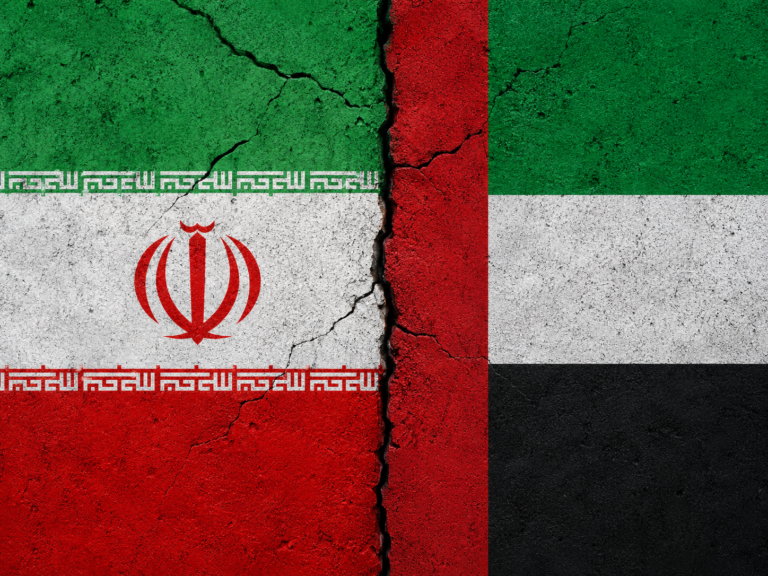
The response of the United Arab Emirates (UAE) to ongoing attacks from Iran during the recent conflict reflects a nuanced strategy of defensive restraint. While subjected to missile and drone strikes, Abu Dhabi strategically chose not to escalate into a full-blown offensive campaign despite its capacity for military retaliation. This decision illustrates a deliberate approach to navigate the complicated landscape of modern warfare, balancing national security interests with the need to avoid broader regional conflict.
Strategic Defense Over Offensive Retaliation
The UAE faced a critical strategic dilemma. Direct aggression from Iran posed risks that warranted a response, yet joining a wider offensive could escalate tensions further, destabilizing regional dynamics. Rather than equating military resolve with aggressive action, the UAE focused on enhancing its defensive capabilities. By implementing advanced air and missile defense systems, the nation successfully intercepted thousands of incoming threats. Reports indicate that over 3,000 projectiles were neutralized during the early stages of conflict, minimizing potential disruptions to critical infrastructure and civilian safety.
While there were claims of limited Emirati retaliatory strikes against key Iranian assets, these actions were executed with a level of discretion. The approach aimed to impose costs on Iran without displaying full engagement in a prolonged conflict. This “calibrated retaliation” allowed the UAE to assert its military capability while maintaining the narrative of a nation exercising self-defense rather than aggression.
The Importance of Economic and Strategic Resilience
Geographical positioning significantly influenced the UAE’s cautious strategy. The country’s extensive economic infrastructure, including ports, airports, and financial centers, makes it particularly vulnerable to disruption. Consequently, protecting these assets became paramount. Rather than seeking to maximize military responses, the UAE emphasized maintaining economic continuity and public confidence. Incidents of escalated military action could have have risked investor confidence and damaged the nation’s economic framework, which hinges on stability.
This perspective underscores that for the UAE, strategic success is less about inflicting maximum damage on adversaries and more about protecting national resilience and sustaining economic viability. Thus, restraint in military actions did not signify weakness but showcased a commitment to long-term stability.
The Balance Between Retaliation and Deterrence
The strategic choices made by the UAE reflect a careful balance between military strength and diplomatic relations. The country maintained its relationships with Western allies while navigating its engagements with Iran. By refraining from full-scale retaliation, Abu Dhabi retained the flexibility to engage diplomatically, which is crucial for conflict resolution.
Moreover, the UAE’s restraint allowed it to maintain its strategic legitimacy on the international stage. As the target of unprovoked aggression, the UAE could assert its rights to self-defense, reinforcing its legal standing while avoiding the pitfalls of appearing as a participant in an aggressive coalition. This tactical ambiguity served to limit Iran’s ability to internationalize the conflict while preserving the UAE’s strategic narrative.
In summary, the UAE’s approach to the conflict with Iran offers insights into how middle powers can successfully navigate complicated geopolitical challenges. By emphasizing strategic restraint coupled with robust defense, it demonstrates that effective national security doesn’t always require expansive military engagement. The focus on preserving national resilience, economic stability, and diplomatic channels proves essential in maintaining broader strategic interests while remaining responsive to immediate threats.