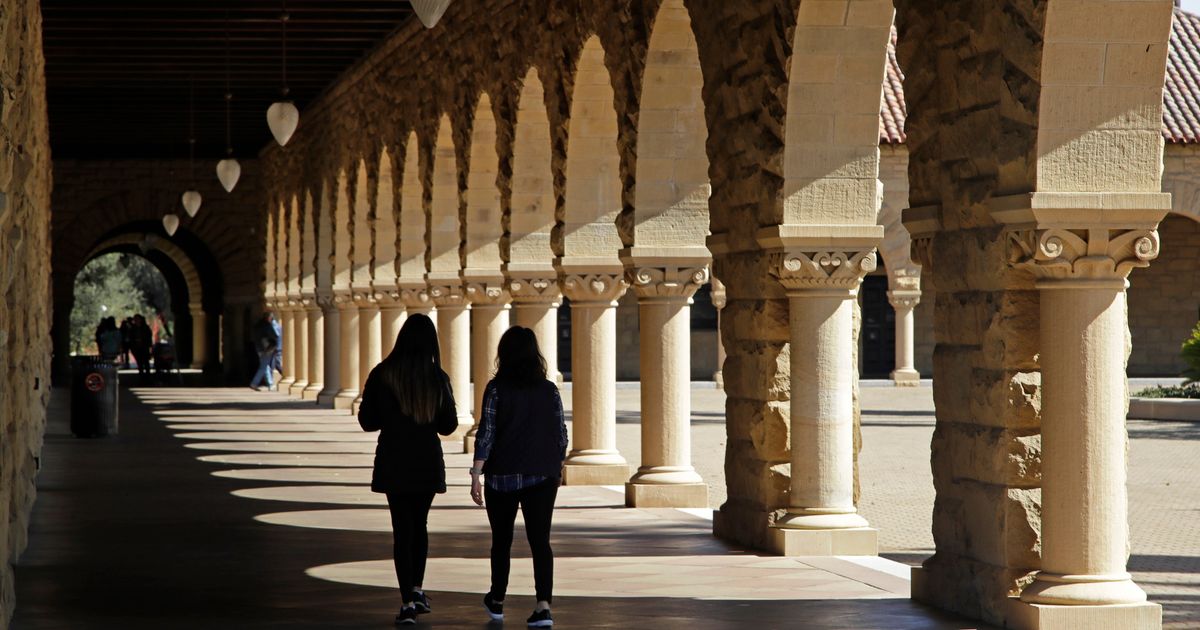
A recent ruling from a federal judge in California has underscored the First Amendment’s vital role in preserving free speech, particularly amid ongoing tensions regarding the U.S. response to the Israel-Palestine conflict. The judge asserted that the federal government’s actions aimed at deporting noncitizen critics of Israel’s policies are unconstitutional. This decision marks a significant moment for student voices at institutions like Stanford University, where fear of deportation has silenced many international students.
Ruling Highlights Constitutional Rights
Judge Noël Wise’s ruling, delivered on a Friday, is a reaffirmation of free speech principles that lie at the heart of American democracy. The Stanford student newspaper has been vocal about a chilling effect created by the Trump administration’s deportation strategy, which disproportionately targeted those engaged in discourse surrounding the Gaza conflict. By vocalizing their concerns, many students felt at risk of facing severe consequences, such as deportation, which led to a culture of fear that discouraged open dialogue.
Wise’s ruling also draws on a similar decision from nearly a year ago by a Boston federal district judge, who criticized the Trump administration for unconstitutionally using deportation as a tool against individuals for their political expressions, particularly those supportive of Palestinians. This pattern of intimidation reveals a growing concern among judges regarding governmental overreach that seeks to stifle dissent and critical viewpoints.
Protection of Speech and Press
In her ruling, Judge Wise emphasized that the freedoms of speech and the press are foundational to democracy: “The realities of living under a government that retaliates against critical dissent should never become commonplace,” she stated. She highlighted significant flaws in the vagueness and execution of deportation protocols that infringe upon First Amendment and Fifth Amendment rights. This robust judicial stance sends a message that the government cannot punish individuals merely for expressing unpopular opinions.
Wise pointed out instances of retaliation against individuals voicing their support for Palestinians, linking it to broader patterns of oppression that warrant serious scrutiny. Moreover, the judge mentioned incidents involving backlash against critics of prominent public figures, underlining an alarming trend where governmental authority seeks to silence those who express dissenting views.
Free Speech as a Core Principle
“This downward spiral is antithetical to our Constitution,” Judge Wise remarked, indicating that the freedom to express a variety of opinions is essential to the essence of America. True democracy requires the protection of unpopular speech, and the ability to critique governmental actions without fear of retribution is a cornerstone of individual rights. Wise concluded with a powerful statement about the necessity of safeguarding these rights for everyone, not just those ideas that align with the government’s stance.
Following the ruling, the Justice Department remained silent, failing to comment on this pivotal decision. Legal experts, however, have commended the judgment as an important victory for free speech, with Conor Fitzpatrick of the Foundation for Individual Rights and Expression noting, “In America, free speech doesn’t just belong to the people who say things the government agrees with.”
This case serves as a reminder of the essential nature of free speech in a democratic society. As tensions escalate over various political issues, the need to protect diverse viewpoints becomes ever more critical. The ruling highlights that the expression of dissent not only enriches public discourse but is also a fundamental right deserving of protection.