
A recent ruling from a federal judge in California has underscored the critical importance of free speech, particularly in relation to U.S. government actions regarding campus debates on Israel and Palestine. The decision highlights the chilling effect created by threats of deportation, which have deterred many international students from voicing their opinions. This landmark ruling not only affirms the rights of noncitizens but also emphasizes the foundational role that freedom of expression plays in American democracy.
Ruling Against Deportation Threats
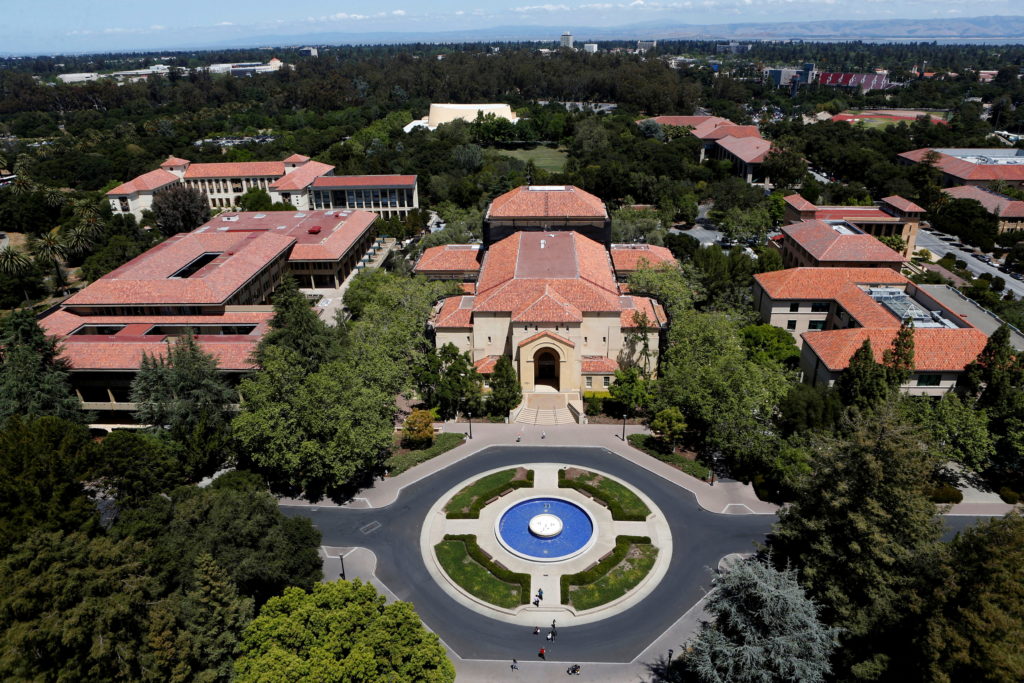
Federal Judge Noël Wise’s ruling was a significant victory for The Stanford Daily, the student publication at Stanford University. The judge asserted that the government’s tactics contributed to an environment of fear that silenced critical voices, particularly those expressing support for Palestinians or questioning Israel’s military actions. Wise articulated that “freedom of speech is illusory” if individuals can only speak in ways favorable to the government. This judge’s assertion aligns with a previous ruling from a Boston judge, who stated similar concerns regarding the constitutional rights of noncitizens targeted under the Trump administration.
The Foundations of American Democracy
Judge Wise characterized both free speech and press as essential to the American democratic ethos. Her ruling highlighted fundamental flaws that violate both the First and Fifth Amendments, challenging the legality of the government’s deportation practices. These practices were deemed to unduly restrict free speech by threatening legal consequences for expressing dissenting opinions. In her ruling, Wise drew a direct line between government actions and the shrinking space for open discourse on college campuses, noting that the fear of deportation had led to a significant chilling effect among students.
The Chilling Effect on Campus Discourse
The ruling revealed the extensive impact of these government policies on student journalists and their ability to report freely. According to Judge Wise, noncitizens within The Stanford Daily had withdrawn from writing, requested to remain anonymous, or even left the publication altogether due to fears of immigration repercussions. The judge’s clarion call emphasized that noncitizens deserve the same First Amendment protections as citizens, allowing for a robust exchange of ideas without the shadow of deportation looming over them.
Far-Reaching Implications for Free Speech
Wise’s decision serves as a warning against the erosion of free speech rights that could extend beyond the immediate case. She stated that anyone in the country might become a target if they express opinions contrary to government interests. This downward spiral threatens the very foundation of freedom that the Constitution guarantees. The ruling has implications for the broader landscape of public discourse in the United States, signifying that safeguarding minority voices is vital for maintaining healthy democracy.
Overall, Judge Wise’s ruling sets a precedent that reinforces the importance of free speech, especially for vulnerable populations like noncitizens. As noted by Conor Fitzpatrick from the Foundation for Individual Rights and Expression, true free speech encompasses the rights of all individuals, regardless of government perspectives. The ruling thus serves as a powerful affirmation that the fundamental right to express dissenting views is integral to American values, ensuring that a wide array of opinions can be freely shared and debated.