
The Hague Conference on Private International Law (HCCH) welcomed Qatar as its 95th member following the formal acceptance of its membership this past Thursday. This important development underscores Qatar’s commitment to enhancing legal and judicial cooperation on an international scale.
Qatar Joins the HCCH
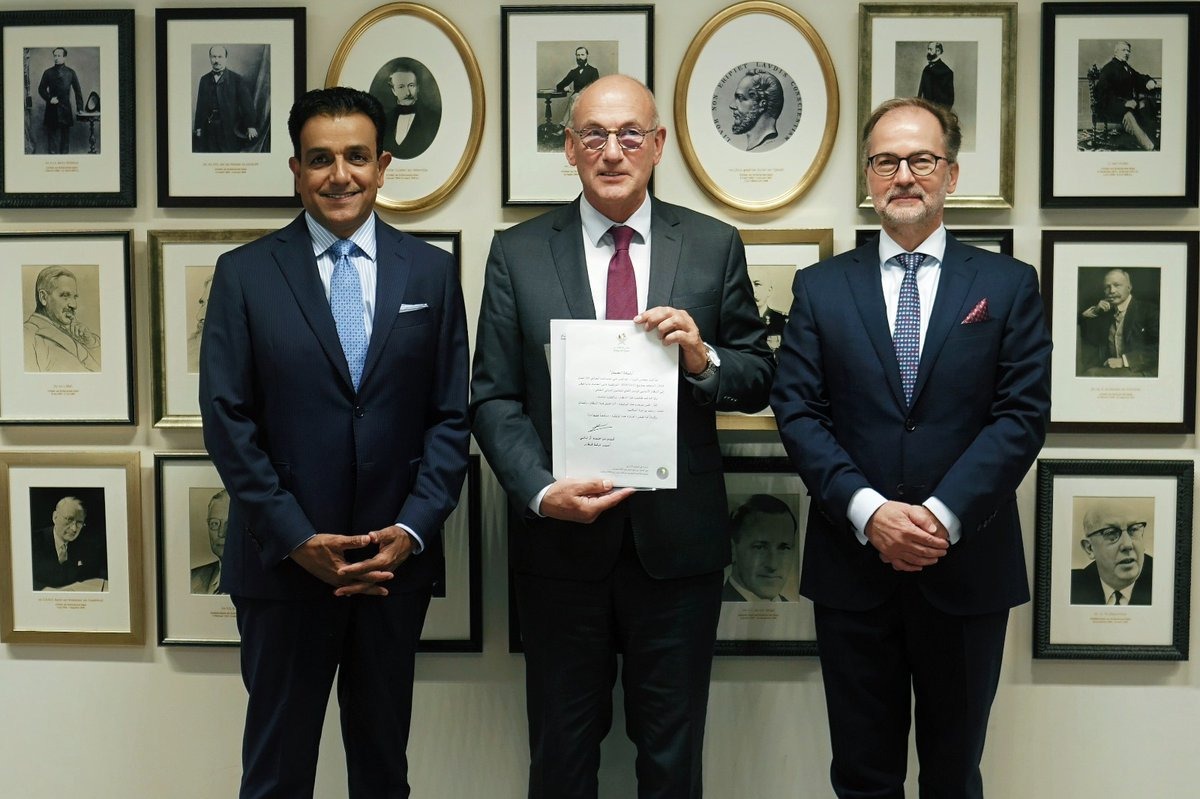
The official acceptance ceremony was held in The Hague, where HE Dr. Mutlaq Al Qahtani, Qatar’s Ambassador to the Kingdom of the Netherlands, presented the instrument of acceptance to HE Jules Van Eijndhoven, head of the Treaties Division at the Dutch Ministry of Foreign Affairs. This significant event marks a crucial step in Qatar’s journey toward strengthening its international legal framework. The presence of HCCH Secretary-General Dr. Christophe Bernasconi highlighted the importance of this occasion, affirming Qatar’s pivotal role in global private international law.
History of Qatar’s Application
Qatar’s quest for HCCH membership dates back to April 10, 2025. Since then, the nation has worked diligently to align itself with the core objectives and principles of the organization. By becoming a member, Qatar aims to solidify its position in the international legal landscape and establish more efficient legal cooperation with other countries.
Commitment to Legal Development
During the ceremony, Ambassador Al Qahtani expressed that Qatar’s accession to the HCCH reflects its dedication to international legal collaboration. He emphasized that joining the HCCH is more than just a procedural formality; it signifies Qatar’s commitment to enhancing the rule of law. This move is particularly important for countries engaged in cross-border legal issues, as it aims to create a more consistent legal environment.
Future Prospects for Qatar
Qatar’s membership in the HCCH is expected to open new avenues for legal and judicial cooperation both regionally and globally. Enhancing ties with other member states will allow Qatar to share best practices in private international law and align its legal frameworks with international standards. This proactive approach can lead to stronger legal governance and bolster Qatar’s image on the world stage.
In conclusion, Qatar’s formal acceptance as the 95th member of the HCCH marks a significant milestone in its efforts to elevate its legal landscape. This aligns with the nation’s broader goals of fostering international partnerships, promoting the rule of law, and adding value to global judicial cooperation. As Qatar positions itself as a crucial player in international law, the implications of its HCCH membership extend beyond its borders, potentially benefiting various countries engaged in international legal matters. The future looks promising as Qatar embarks on this new chapter in its legal journey.