
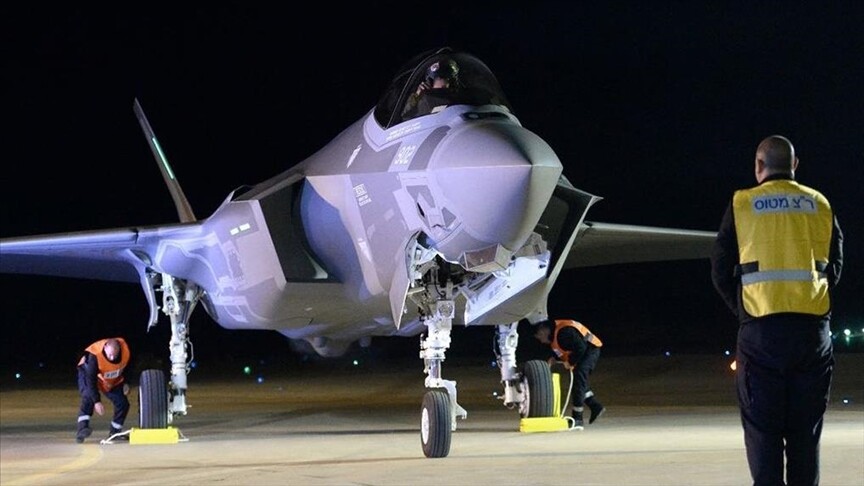
The U.S. State Department has announced a significant military transaction, approving a potential sale valued at $24.3 billion for 48 F-35 fighter jets to Saudi Arabia. This move marks a major step in strengthening military ties between the United States and a key ally in the Middle East.
Details of the Military Package
The proposed deal includes not only the advanced F-35 jets but also 49 Pratt & Whitney F135-PW-100 engines, enhancing the operational capabilities of the aircraft. In addition to these components, the package consists of cryptographic equipment, electronic warfare support, comprehensive training programs, and logistical assistance. The notification regarding this sale was officially sent to Congress, highlighting the multifaceted nature of the arrangement.
Strategic Importance of the Sale
The State Department emphasized that this sale aligns with the broader foreign policy and national security interests of the United States. By providing advanced military hardware to Saudi Arabia, the agreement aims to bolster security for a significant non-NATO ally. The U.S. government views Saudi Arabia as a critical player in maintaining political stability and promoting economic growth in the Gulf region. Officials stated that this deal will not disrupt the current military balance in the area, thereby addressing concerns about regional arms escalation.
Contractors Involved
The primary contractors for this substantial arms package will be Lockheed Martin Aeronautics and Pratt & Whitney Military Engines. Lockheed Martin, headquartered in Fort Worth, Texas, has its F-35 program as a flagship project, and Pratt & Whitney, based in East Hartford, Connecticut, is renowned for its engine manufacturing. Their involvement signifies a strong collaboration between the companies as they work together to fulfill this large-scale military contract.
Congressional Oversight and Next Steps
Under U.S. law, Congress members have a period of 30 calendar days to review or contest the sale following formal notification. This timeframe enables lawmakers to scrutinize the deal and assess its implications for U.S. foreign relations and military strategy. Should there be no significant objections, the administration is expected to finalize the agreement, marking yet another chapter in U.S. arms sales to allied nations.
In summary, the approval for the sale of F-35 fighter jets to Saudi Arabia signifies a strategic maneuver by the U.S. to reinforce its alliances in the region. As geopolitical dynamics evolve, such military sales are crucial for ensuring stability and fostering cooperative relationships with key partners. The deal represents a multifaceted approach to foreign policy, blending military support with a focus on economic prosperity in the Gulf area.