
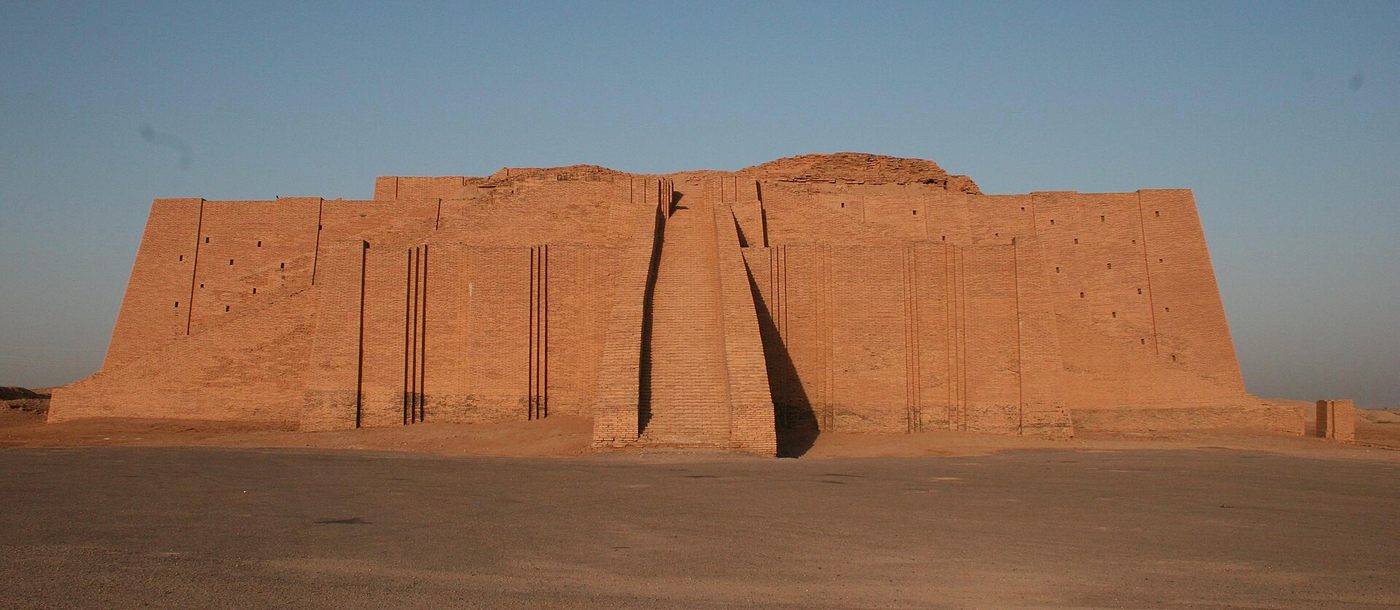
Iraq has initiated significant preservation efforts on the ancient Ziggurat of Ur to safeguard it against the impacts of climate change. This site is not only one of the most recognizable examples of Sumerian architecture but also holds the status of a UNESCO World Heritage Site. Unfortunately, it faces severe threats from erosion and other damages. Thus, the nation’s commitment to conservation is vital for maintaining this invaluable cultural landmark.
The Ancient Ziggurat of Ur
Dating back to around 3,800 BCE, Ur is one of the oldest known urban settlements. Initially, its street grid covered approximately 18 hectares, but it expanded significantly during its most influential dynasty. The Ziggurat itself was constructed in the 21st century BCE, originally measuring 210 feet in length and 148 feet in width. Though uncertain, it’s believed that it could have stood up to 98 feet tall. Crafted primarily from air-dried mudbrick and bitumen, the ziggurat served as a temple dedicated to the moon god Namma, the city’s patron deity.
Significantly, the restoration efforts seen in the photos and videos today can be traced back to Saddam Hussein’s regime, although they only partially preserve the original brick layers. Remarkably, the ziggurat had undergone restoration even before Hussein’s time—specifically in the 6th century BCE by the Neo-Babylonian King Nabonidus. The ongoing conservation work will focus extensively on the original structure to ensure it withstands future environmental challenges.
Investment in Conservation Efforts
The Iraqi government has allocated approximately $382,000 for new conservation initiatives aimed at protecting the exposed upper levels of the ancient ziggurat. Unlike many low- and middle-income countries that tend to incorporate modern materials and techniques into their restoration works, the strategy employed at Ur emphasizes authenticity and historical accuracy. This commitment to preserving the site’s integrity is commendable, as it respects the artistry and original construction methods used thousands of years ago.
According to Khadim Hassoun Honaein, a senior member of the conservation team, considerable effort has been made to replicate the original materials. A sample of paving bricks was taken from the site for analysis, allowing the team to create a replica using identical chemical and physical properties. Additionally, mud for restoration is being handmade on-site using clay sourced from conditions similar to those found in ancient Ur.
Focus on Vulnerable Sections
One area of particular concern is the northern side of the ziggurat, which has become increasingly susceptible to wind and sand erosion in recent decades. This part of the structure will be prioritized during the conservation efforts. By targeting the most vulnerable sections, the project aims to enhance the ziggurat’s longevity and preserve its historical significance for future generations.
These initiatives underscore Iraq’s proactive approach to maintaining its rich heritage while engaging with modern challenges. The Ziggurat of Ur stands not just as an ancient architectural marvel, but as a symbol of resilience in the face of environmental changes. The ongoing efforts to conserve and restore this magnificent site serve as an inspiring reminder of humanity’s commitment to preserving its cultural roots.