
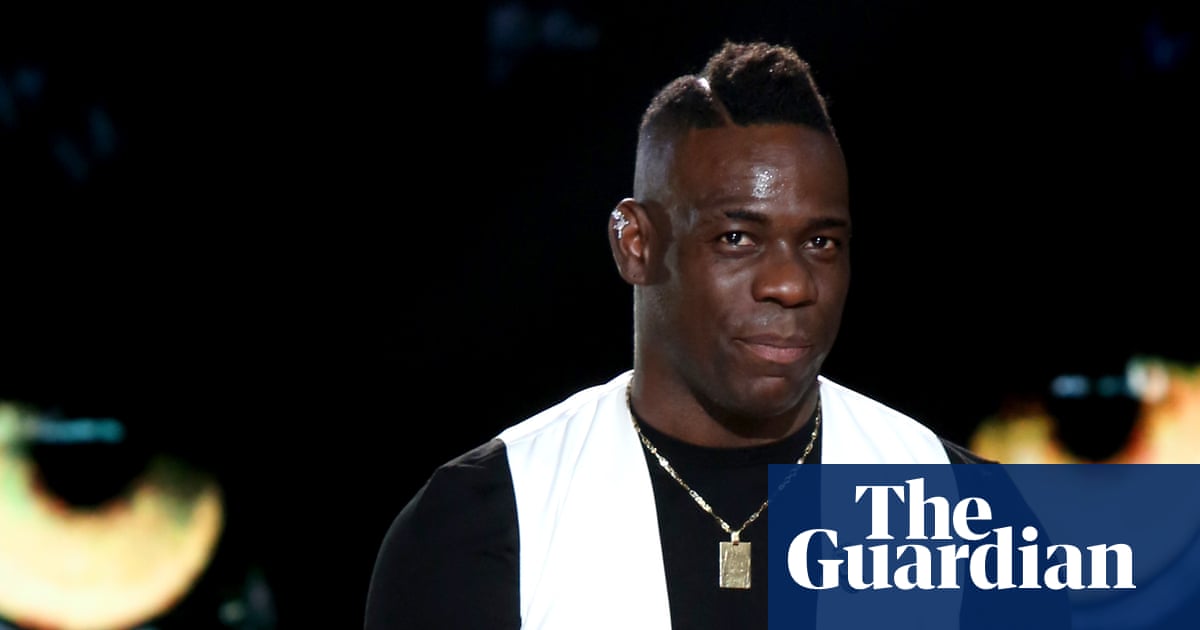
Whenever Mario Balotelli’s name is mentioned, particularly in Italy, it often evokes feelings of missed potential. The narrative surrounding this once-promising talent is tinged with bittersweet reflections on a career that could have been one of the most illustrious in football history. Yet, as Balotelli sits and shares his thoughts on the sport, the 36-year-old reveals a newfound wisdom and maturity that signifies personal growth and acceptance of his unconventional journey.
New Beginnings in Saudi Arabia
Balotelli has embarked on a fresh chapter of his career by signing with Al-Ettifaq in the Saudi Pro League. His decision stems from a desire to embrace the joy of the game and fulfill a long-held family aspiration: to play with his brother, Enock Barwuah. “It was a last-minute idea,” he explains. Balotelli emphasizes that financial considerations weren’t the primary factor in his move. Instead, he was intrigued by the club’s competitive vision. “Everyone assumes players go to Dubai for the money, but for me, it was about a compelling project,” he said, highlighting the importance of passion alongside financial gain.
Contrasting Experiences
The experiences in the Middle East sharply contrast with Balotelli’s past. He acknowledges the impressive infrastructure and beautiful stadiums but also points to the lack of spectators as a significant drawback. “It’s a bit sad,” he remarks, noting that the organization in the league could use improvement over time. On a more personal note, playing alongside his brother has been a lifelong dream come true, as they often fantasized about sharing the field. “We always hoped to play together someday,” Balotelli shares, expressing joy at seeing that dream realized.
Reflections on Italian Football
Despite his physical distance from Italy, Balotelli remains keenly aware of the issues plaguing Italian football, especially after the national team’s failure to qualify for three consecutive World Cups. He identifies a stark decline in youth participation in football, attributing it to the competing allure of technology and changing parental attitudes. “When I was a kid, we played for hours outside. Now, parks are empty,” he laments, emphasizing the need for kids to experience the spontaneity and camaraderie that come with open play. He believes that real talent flourishes in informal settings, where young players can challenge themselves against older peers.
Balotelli’s insights are more than nostalgic sentiments; they’re a call to action for today’s youth to reconnect with the essence of football. “Kids today are more captivated by screens than by the thrill of playing in the park,” he observes. He advocates for a return to the grassroots of the sport that nurtured countless talents.
A Hopeful Future
Despite his critiques, Balotelli remains optimistic about the future of Italian football. He believes that while immediate improvements might not be evident, the next generations could turn the tide. “It’s normal for countries to experience ups and downs in football. Spain, France, and Germany have all faced similar challenges,” he notes, encouraging a sense of renewed hope.
As he navigates the later stages of his career, Balotelli focuses on his health and aspirations beyond football. “I’m feeling good,” he asserts, expressing enthusiasm for continuing his playing career as long as his body allows. Post-retirement, he envisions directing his energies toward his businesses and family, craving a sense of tranquility after a turbulent career.
In closing, Balotelli offers heartfelt advice to his younger self, wishing he had made different choices along the way. His reflections serve as a poignant reminder that even the most gifted athletes face their own struggles and that growth often comes from learning from the past.