
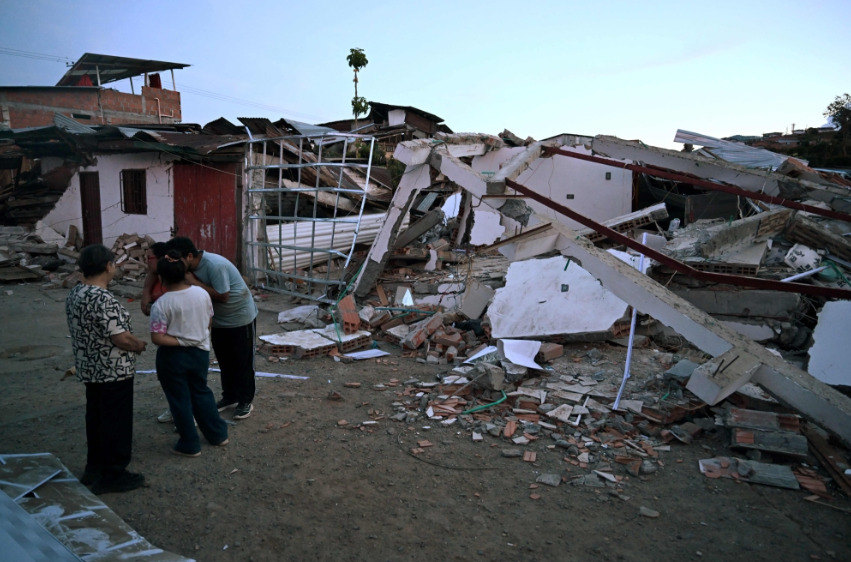
Colombia is grappling with the aftermath of a devastating earthquake, and the discourse surrounding relief efforts has intensified. In the midst of this turmoil, Colombia’s First Lady, Ana Lucia Pineda, has faced scrutiny regarding the management of donations aimed at assisting earthquake victims. In response to these allegations, Pineda has released a comprehensive financial report aimed at clarifying the situation.
First Lady Addresses Financial Concerns
Ana Lucia Pineda, who is married to President Abelardo de la Espriella, has found herself at the center of controversy after a 7.4-magnitude earthquake struck on August 10. In her role, she is responsible for overseeing the private donations meant to aid over 200,000 individuals affected by the calamity. Recently, the opposition and various survivors have voiced their dissatisfaction, highlighting that, more than two months after the disaster, aid appears to be delayed in reaching the most impacted regions in western Colombia.
In an interview aired by Telecaribe, Pineda asserted, “There is nothing to hide. I don’t need to keep even a grain of anyone’s rice.” Her statements reflect her commitment to transparency during this challenging time. The urgency for aid is palpable, especially considering estimates suggest losses have reached approximately $9.5 billion in the aftermath of the earthquake.
Transparency in Fund Management
In an effort to quell concerns, Pineda unveiled a financial report detailing the donations her foundation, Luz y Sonrisas, has received. The report indicated that her foundation had garnered over $17 million in contributions since the earthquake. Additionally, it has been reported that upwards of 48,000 individuals have received humanitarian assistance through these funds.
Despite this impressive sum, Pineda mentioned, “We have not used those funds because there was enough humanitarian aid,” reinforcing the notion that the resources are reserved for future reconstruction phases. This decision has been met with skepticism, as many critics question why the funds have not been deployed to assist those in immediate need.
Looking Ahead: The Road to Recovery
As the situation evolves, the need for efficient relief and rebuilding strategies is critical. Pineda’s comments regarding the fund’s usage hint at a cautious approach, prioritizing long-term reconstruction plans over immediate disbursement. Nonetheless, the urgency for immediate relief in regions that suffered the most from the earthquake cannot be understated.
The challenge remains for the Colombian government and the foundation to ensure that aid is not only promised but effectively delivered to those who require it the most. The lingering frustration from citizens reflects a broader concern about accountability and the management of resources meant for disaster relief.
As Colombia embarks on this recovery journey, the dialogue around financial transparency and the effective distribution of aid will be pivotal. The First Lady’s proactive measures in disclosing financial operations may help to build trust among the affected populations. However, it will take concerted efforts from both governmental and non-governmental entities to rebuild the communities devastated by this natural disaster and restore hope to the thousands grappling with loss and uncertainty.