
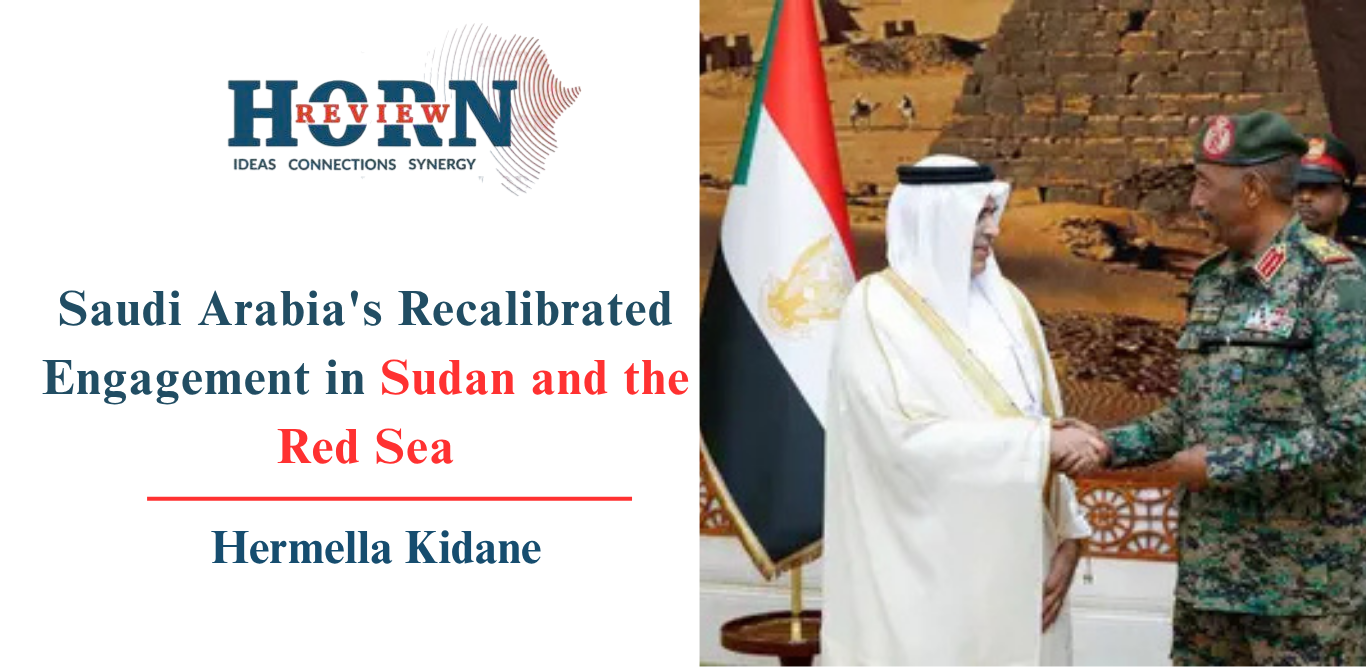
The presentation of diplomatic credentials usually signifies a routine formality in international relations. However, the arrival of Dr. Zaid bin Mukhlad Al Harbi as Saudi Arabia’s ambassador to Sudan in August 2026 is a noteworthy event amidst the fragmented political landscape of the region. His reception by General Abdel Fattah al-Burhan at the Republican Palace in Khartoum marks a significant moment that reflects changing strategies by external powers in addressing the Sudanese conflict and broader Red Sea security issues. This shift in envoy selection emphasizes the need for sustained diplomatic and security engagement in a landscape shaped by historical tensions.
Significance of the Venue and Timing
The context surrounding the credentials ceremony is essential to understanding its implications. Since violent conflicts erupted in April 2023, control over territory and symbols of authority has been fiercely contested between the Sudanese Armed Forces and the Rapid Support Forces. General al-Burhan’s ability to receive the Saudi ambassador at the Republican Palace—a traditional symbol of state power—reinforces a narrative of stability within state institutions. By conducting this formal process, Saudi Arabia affirms its recognition of the authorities in both Port Sudan and Khartoum, contributing to perceptions of legitimacy even as underlying military disputes persist. Furthermore, Saudi Arabia’s public commitments to Sudan’s sovereignty and ongoing humanitarian assistance showcase a multifaceted approach to foreign engagement in internal conflicts.
Background of Key Diplomatic Personnel
Dr. Al-Harbi’s professional background is another crucial aspect of this diplomatic shift. His past roles, including an ambassadorship in Niger, give him valuable experience navigating complex regional dynamics filled with non-state actors and fluid borders. Described as adept in security-related diplomacy, his appointment signals that his responsibilities may extend beyond conventional diplomatic protocols to practical coordination on mutual interests. This trend reflects a broader preference for diplomats capable of managing intricate security and logistical scenarios, particularly in protracted conflicts.
Changing Dynamics in Regional Relations
As the Sudanese conflict evolves, the involvement of external partners has sparked concern among neighboring states regarding shifts in power dynamics. Certain military technologies introduced through foreign partnerships have raised alarms about their potential impact along the Red Sea. For Saudi Arabia, the increased influence of external actors is seen as a threat, which necessitates a reassessment of its position. The kingdom appears to have concluded that offering direct support to the Sudanese Armed Forces aligns better with its security interests in the region. Recent agreements on trade and security cooperation have been interpreted as mechanisms aimed at enhancing coordination on maritime and economic issues, further illustrating Saudi Arabia’s intent to recalibrate its regional stance.
Potential Regional Ramifications
The implications of the evolving diplomatic landscape extend beyond Sudan to neighboring Ethiopia. The situation in Eastern Sudan, near Ethiopia and Eritrea, remains fraught with unresolved border disputes and tensions. Should external support allow the Sudanese Armed Forces to gain more effective control, the risk of increased military activity in these areas rises significantly. For Ethiopia, these developments necessitate heightened vigilance to mitigate spillover effects. The potential risks do not solely derive from direct confrontations but also from the secondary repercussions of shifting balances of power among foreign patrons, underscoring the importance of sustained diplomatic engagement and monitoring.
In conclusion, the appointment of Dr. Al Harbi marks a significant evolution in Saudi Arabia’s diplomatic approach toward Sudan. It underscores a strategy of proactive engagement with the Sudanese authorities, driven by factors related to Red Sea security and the management of competing external influences. This recalibration highlights the complexities of legitimacy in today’s geopolitics, where external recognition and material support intertwine. As various foreign interests converge in Sudan, understanding the underlying dynamics requires careful attention to both formal diplomatic processes and the practical realities at play.