
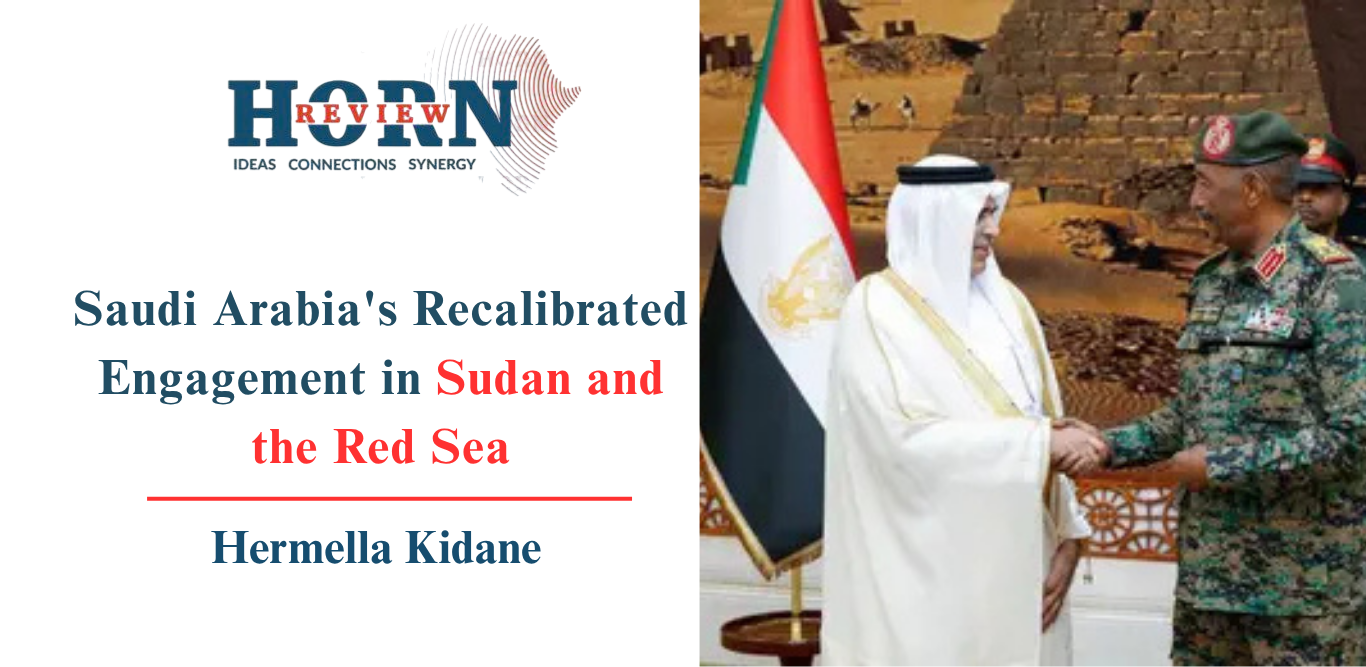
The recent arrival of Dr. Zaid bin Mukhlad Al Harbi as the Saudi ambassador to Sudan symbolizes more than just an ordinary diplomatic appointment; it marks a significant shift in Saudi Arabia’s foreign policy dynamics in the region. His reception by General Abdel Fattah al-Burhan at the Republican Palace in Khartoum in August 2026 holds strategic importance amid the ongoing turmoil in Sudan. This situation illustrates the nuanced roles played by external stakeholders in the intricate web of Sudanese conflict, security in the Red Sea, and the intricate balancing act of multiple Gulf states.
The Significance of the Ceremony
The credentialing ceremony, set against the backdrop of Sudan’s fractious political climate, deserves close scrutiny. Since April 2023, the power struggle between the Sudanese Armed Forces and the Rapid Support Forces has created a contested landscape for authority in the nation. General al-Burhan’s ability to receive the Saudi ambassador at the Republican Palace—a symbol of centralized governance—reinforces a narrative of continuity in Sudan’s state structures. By facilitating this formal accreditation in such a significant location, Saudi Arabia acknowledges the legitimacy of the ruling authorities in Port Sudan and Khartoum. This action may shape perceptions of legitimacy, even as the fundamental military confrontation persists. Saudi Arabia is also keen to underscore its respect for Sudan’s sovereignty and territorial integrity while providing humanitarian aid, illustrating a dual approach of maintaining diplomatic relations alongside necessary support.
The Role of Dr. Al Harbi
Dr. Zaid bin Mukhlad Al Harbi’s professional qualifications play a pivotal role in understanding this diplomatic recalibration. His previous role as an ambassador in Niger and various advisory positions within the Saudi foreign ministry have endowed him with crucial experience in dealing with regions marked by unstable borders and complex security challenges. His skilled background suggests that his responsibilities may extend beyond traditional bilateral engagements, potentially encompassing broader regional coordination efforts. This trend of appointing diplomats familiar with operationally difficult environments reflects a larger strategy observed in other prolonged conflicts, where diplomatic presence intertwines with practical security matters.
Regional Ramifications and External Interests
The developments in Sudan have implications that extend well beyond its borders, particularly concerning Ethiopia. Areas in Eastern Sudan near Ethiopia and Eritrea remain fraught with unresolved issues, including border disputes and localized tensions. If external support allows the Sudanese Armed Forces to consolidate their influence more effectively, there could be increased military or administrative activities along these volatile frontiers. Such developments compel Ethiopia to maintain a cautious stance regarding potential spillover effects, highlighting the importance of vigilant monitoring and diplomatic engagement in the region.
Conclusion: A New Era in Saudi Engagement
Overall, the appointment of Dr. Al Harbi signals a shift in Saudi Arabia’s diplomatic strategy, moving toward a more engaged approach with Sudan’s ruling authorities. This transformation aligns with the kingdom’s broader security concerns in the Red Sea and its objectives to shape favorable outcomes in the region. However, it also complicates the conflict landscape, underscoring the reality that external actors seldom play purely neutral roles, especially when core security interests are at stake. The Sudanese situation highlights that various external parties, each claiming to promote stability, can perpetuate complexity while altering the operational dynamics for local actors. Understanding this evolving geopolitical landscape requires continuous attention to both diplomatic rituals and the strategic alliances that develop beneath them.