
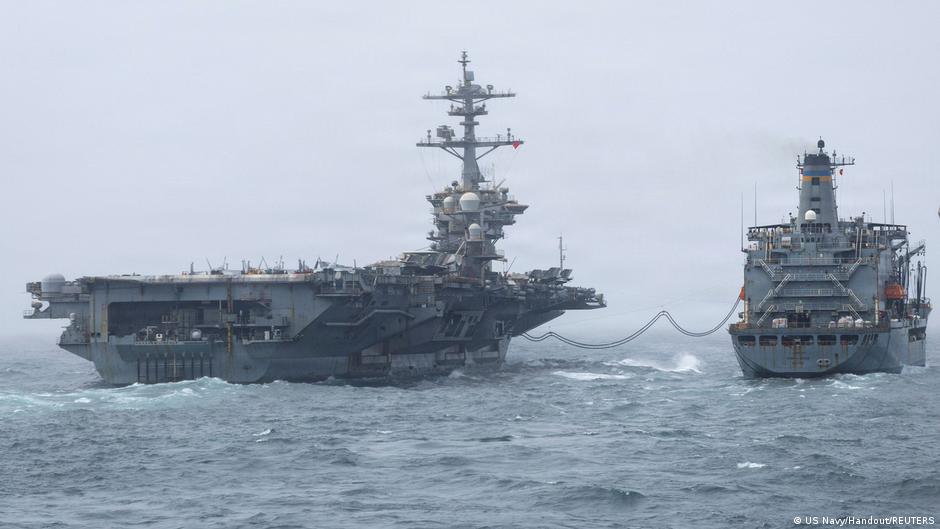
The ongoing discourse surrounding the U.S. military’s engagement in Iran has gained significant attention recently. Senior military leaders have voiced their concerns over the prospect of an extended conflict, warning that such an endeavor could strain the nation’s defense capabilities and hinder its readiness to address other global crises.
Military Leaders’ Concerns
A recent article highlights the apprehensions of high-ranking U.S. military officials who caution Defense Secretary Pete Hegseth against prolonging military operations in Iran. They underscore that the U.S. military is already facing challenges related to overstretched resources, prolonged deployments, and dwindling ammunition supplies. As military engagements increase in complexity and duration, the implications for national security become more pronounced. The cumulative effect of these stresses could render American forces vulnerable in other regions of the world, particularly in ongoing conflicts and emerging threats.
Potential Impact on Defense Readiness
According to analysis from experts like former Special Operations Air Force Commander Major Glenn Ignazio, the ability of the United States to sustain a military presence in Iran without compromising its readiness for crises in different parts of the globe is in jeopardy. The recent military operations could detract from the resources available for rapid response to emerging threats in different theaters. This analysis raises critical questions about the long-term viability of maintaining an extended military presence in Iran and the ramifications it may have on U.S. global influence and security posture.
Implications for U.S. Military Strategy
The strategic implications of extended military engagements are vast. A focus on one conflict, such as the situation in Iran, could divert attention and resources essential for addressing unfolding issues elsewhere, such as in Europe or the Pacific. The U.S. military’s ability to respond effectively to new threats or expand its efforts in allied support may be severely limited. As military leaders warn of the consequences, it becomes evident that the current strategic plan needs reevaluation to ensure sufficient flexibility and responsiveness.
Conclusion: Balancing Engagement and Readiness
The discussions among military leaders underscore a pressing need for the U.S. to reassess its military commitments and the balance between engagement and operational readiness. As geopolitical conditions evolve and new challenges emerge, the need for a sustainable approach to military operations grows more critical. Prioritizing a balanced strategy will not only enhance current military effectiveness but also secure the capacity to address future global challenges. Ensuring that America’s military remains prepared and capable across multiple fronts is vital for maintaining national security in an increasingly complex international landscape.