
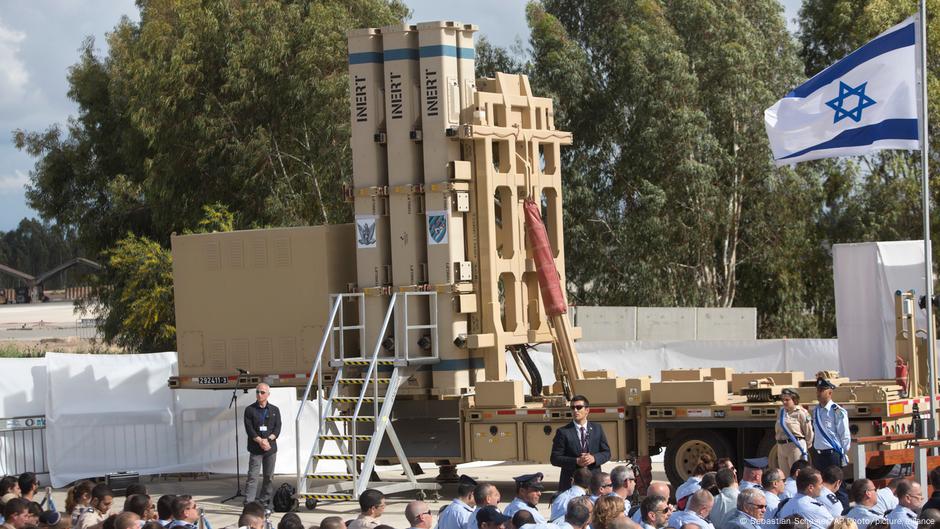
Israel and Greece have finalized a significant arms export agreement valued at approximately €3 billion (around $3.48 billion), as announced by Israel’s Defense Ministry. This partnership marks a pivotal moment in defense cooperation between the two nations, emphasizing their strengthened military ties amid regional tensions.
Details of the Arms Deal
The newly established “Achilles Shield” agreement entails the development of a sophisticated, multi-layered air defense system for Greece, utilizing exclusively Israeli technologies. According to the Defense Ministry’s statement, these systems will be informed by the wealth of operational experience gained by Israel’s military forces, particularly in contexts such as the ongoing conflict with Iran. This strategic alliance aims not only to bolster Greece’s defense capabilities but also to enhance European security.
The arms deal includes advanced defense systems such as David’s Sling and SPYDER, produced by Rafael, as well as the BARAK MX developed by Israel Aerospace Industries. The formal signing of this agreement took place in Tel Aviv, where Defense Ministry Director General Amir Baram met with his Greek counterpart, Ioannis Bouras. The partnership is a central component of Greece’s comprehensive military modernization program, which has drawn significant international attention.
Greece’s Military Modernization Goals
As part of its broader military strategy, Greece has set an ambitious plan to invest approximately €28 billion in military upgrades by the year 2036. This extensive financial commitment includes not only the procurement of cutting-edge air defense systems from Israel but also encompasses the acquisition of fighter jets from the United States and warships from France and Italy. Such enhancements are crucial for Greece, which operates with a diverse mix of military equipment from various sources, including US-made Patriot systems and Russian S-300 missiles.
Over the past three years, Greece and Israel have engaged in in-depth negotiations to finalize this landmark defense export agreement. The collaboration extends beyond arms sales, representing a broader alliance that includes joint military exercises, a shared air training center in Greece, and initiatives related to anti-drone technology and cybersecurity.
Geopolitical Context and Implications
This arms deal arrives against the backdrop of Greece’s enduring disputes with Turkey over territorial and maritime sovereignty in the Aegean Sea and eastern Mediterranean. As geopolitical tensions escalate, especially in light of recent conflicts involving Iran, Greece has proactively adapted its defense posture. Notably, the relocation of a Patriot air defense system to Crete reflects heightened vigilance amidst shifting regional dynamics.
The Israeli Defense Ministry has underscored the significance of this arms export deal, asserting that it is the largest in the history of bilateral relations between Israel and Greece. Furthermore, it stands as one of the most substantial defense agreements within Israel’s broader historical context. This strategic partnership is expected to have lasting ramifications, not only for Greece but also for the regional balance of power in the Eastern Mediterranean.
In conclusion, the Greece-Israel arms deal epitomizes a growing defense partnership driven by shared security concerns and regional stability. Through arms procurement and extensive military collaboration, both countries aim to fortify their defenses in an increasingly complex geopolitical landscape. As tensions continue to simmer in the region, this strategic alliance will likely play a critical role in shaping future military dynamics.