
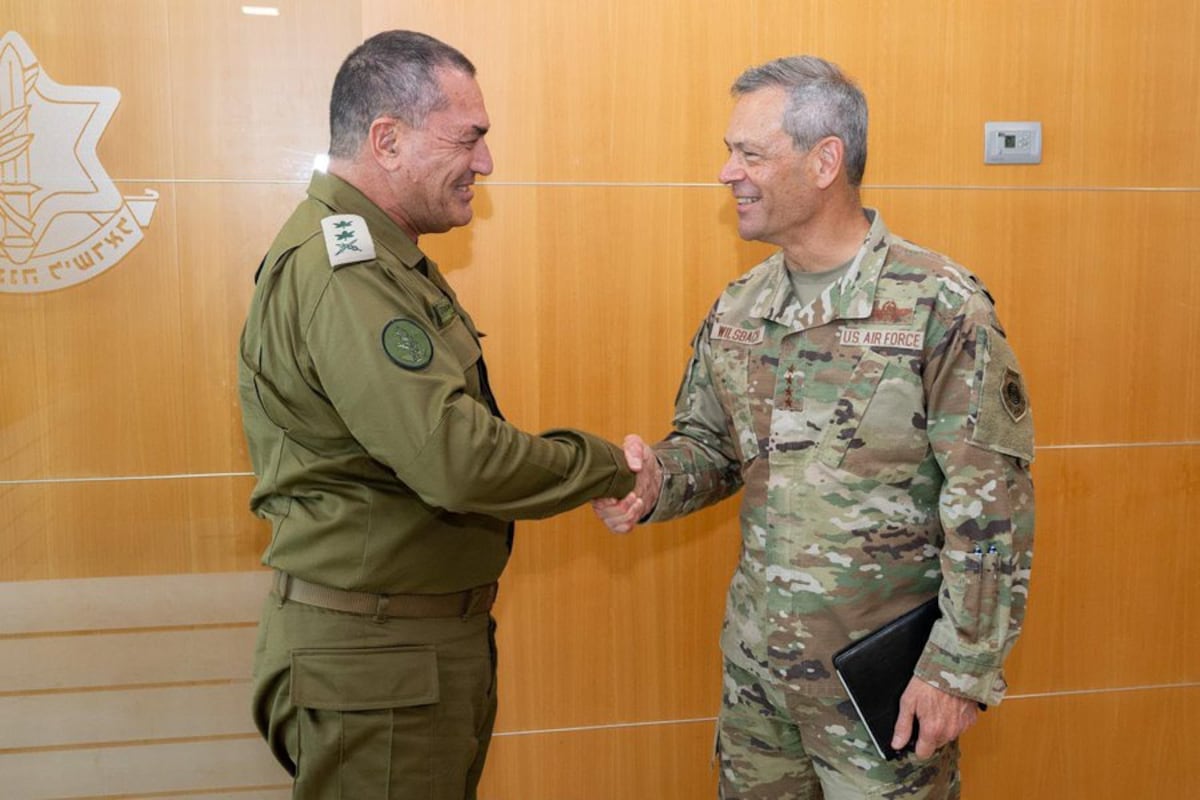
U.S. Air Force Chief of Staff Ken Wilsbach recently engaged in discussions with Israeli military leaders, focusing on the ongoing regional implications of the Iran war as the conflict nears its six-month mark. This pivotal meeting underscores the shared interests and security priorities between the U.S. and Israel amidst heightened tensions in the Middle East.
Key Meeting with Israeli Military Leaders
On August 23, Wilsbach met with Israel Defense Forces Chief of the General Staff Lt. Gen. Eyal Zamir and Israeli Air Force Commander Maj. Gen. Omar Tishler. The announcement of this significant meeting was made by the IDF through social media, showcasing a photo highlighting the handshake between Wilsbach and Zamir. These discussions are particularly relevant given the complexities of the current military landscape in the region.
Wilsbach confirmed the meeting on his own social media, emphasizing that the discussions revolved around mutual security priorities and opportunities to enhance cooperation. The collaboration aims to strengthen regional stability and safety, reflecting the strategic partnership between the two military forces. Such engagements are vital as they facilitate the sharing of intelligence and tactics, particularly important as the Iran war continues to evolve.
Progress in Joint Operations
According to the IDF, both parties discussed the advancement of shared learning from the ongoing military campaign, particularly as the war exceeds six months. Since its onset on February 28, the conflict has seen coordinated airstrikes from U.S. and Israeli forces. The U.S. Air Force, for instance, has undertaken various missions, including long-range bombing strikes and aerial refueling operations, demonstrating a robust military presence in the region.
The arsenal used in these operations has included a diverse array of U.S. aircraft, from bombers like the B-1B Lancer and B-52 Stratofortress to advanced strikers and refueling jets such as the F-15E Strike Eagle and KC-135 Stratotanker. This extensive capability matches the complexities of the conflict, validating the collaboration between the United States and Israel in addressing common threats.
Casualties and Operational Changes
As the war progresses, the impact on U.S. service members has become increasingly evident. Reports indicate that 18 U.S. troops have lost their lives since the commencement of the conflict. In response, the Pentagon has adjusted its casualty classification protocols, reassigning some losses into different summary categories, which revised the counted fatalities to a total of 14.
Wilsbach’s recent visit, however, marks a significant milestone as the first publicly disclosed meeting of its kind. Prior engagements included visits to various U.S. military bases in the Middle East and Europe, allowing Wilsbach to assess operations across the U.S. Central Command and U.S. European Command’s areas of responsibility.
In conclusion, this latest dialogue between U.S. and Israeli military leaders not only emphasizes the importance of their alliance but also seeks to address the multifaceted challenges posed by the Iran war. As the situation continues to develop, such cooperative efforts will be crucial in promoting stability and enduring regional security.