
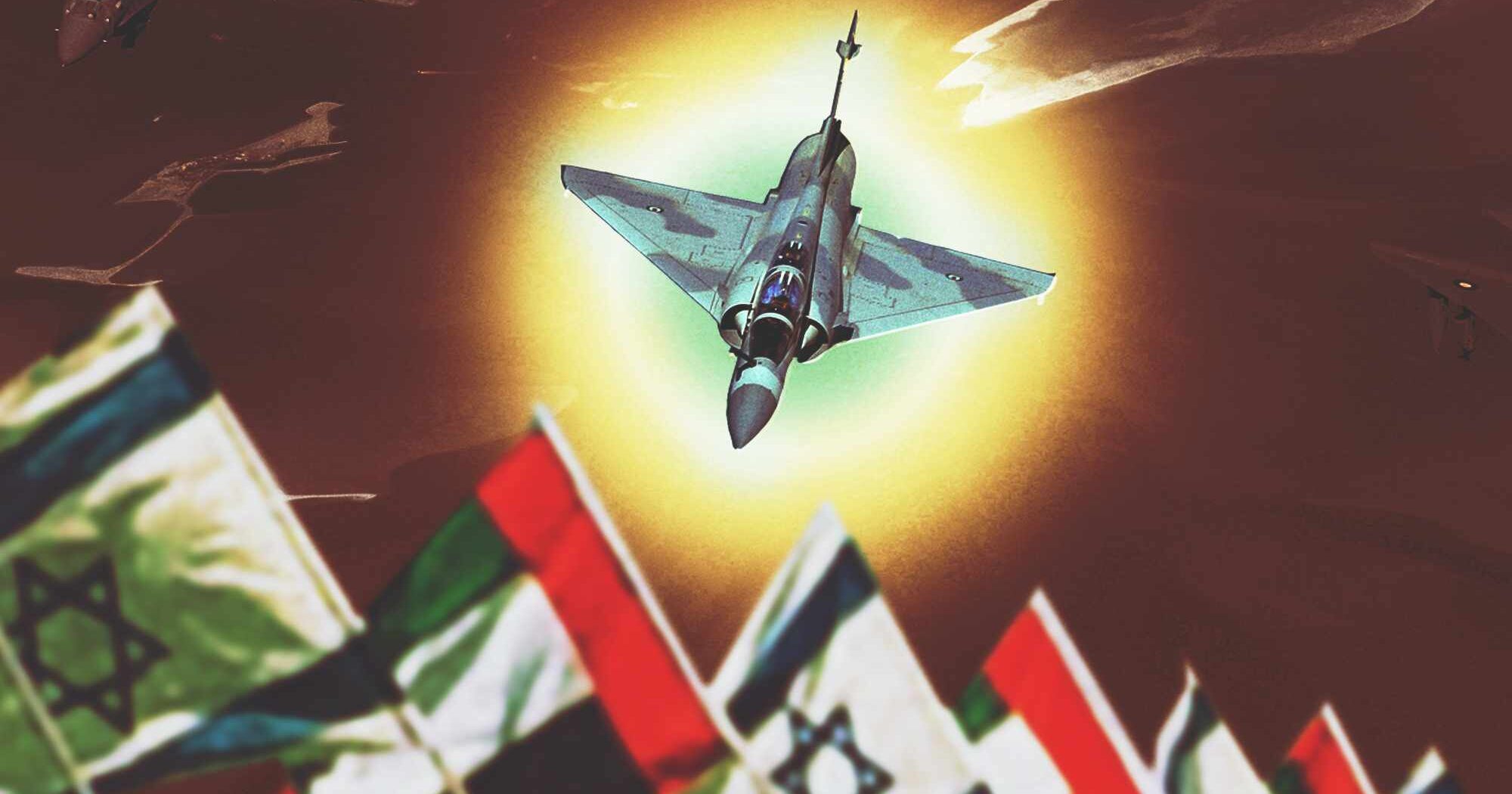
On May 4, the United Arab Emirates (UAE) condemned recent Iranian attacks on its territory, asserting its commitment to national security and sovereignty. The UAE’s Ministry of Foreign Affairs emphasized that it would not tolerate threats to its safety and insisted on its right to respond to these provocations. This declaration followed a significant airstrike by the UAE on Iran’s Lavan oil facility in the Persian Gulf, which occurred shortly after a U.S.-Iran ceasefire announcement. Amid mounting tensions, the UAE’s Ministry refrained from directly commenting on the airstrike, reflecting a strategy of deniability akin to that of Israel, particularly in its dealings with Iran.
### Shifting Alliances and Military Escalation
Since the onset of military tensions initiated by former U.S. President Donald Trump, Iran has targeted American interests in the region. Notably, the UAE has actively participated in a retaliatory stance against Iranian military operations, demonstrating unprecedented military coordination with Israel. While other Arab nations have been more reticent, Abu Dhabi has emerged as a central player advocating for pressure against Iran. UAE diplomats posited that conventional ceasefires would not suffice; a crushing of Iran’s military capabilities was imperative. This aggressive posture marks a stark contrast to the image of stability and cautious diplomacy the UAE has historically cultivated on the international stage.
### The UAE’s Complex Role in Regional Politics
The American government has largely welcomed the UAE’s involvement in this military campaign, as evidenced by remarks from political figures like the late Senator Lindsey Graham, who described the UAE as a vital ally for Israel. Past sentiments from other Arab leaders have acknowledged the UAE’s alliance with Israel as a strategic shift, exemplifying a growing camaraderie with the West. However, this partnership also highlights the UAE’s precarious position as a nation seeking to balance its Arab identity with Western affiliations. Unsurprisingly, the complexities of this relationship were further strained by heightened Iranian hostilities.
### Historical Context of the UAE-Israel Relationship
The historical undercurrents of the UAE’s relationship with Israel date back decades. Despite publicly opposing Israel through the Arab League’s 1972 boycott, the UAE covertly engaged with it, particularly in intelligence and economic domains. The Godfather of the UAE, Zayed bin Sultan al Nahyan, was instrumental in bilaterally beneficial arrangements, indicating a pragmatic inclination that transcended ideological rhetoric. Over time, this relationship evolved, culminating in the normalization efforts solidified through the Abraham Accords in September 2020. This agreement facilitated military cooperation and ultimately positioned the UAE as a leading model of Arab-Israeli relations.
### Challenges Ahead for the UAE
As the UAE continues to align itself with Israel and the U.S., it grapples with a national narrative that has become increasingly difficult to maintain. Despite its economic might and military advancements, local sentiments among Emiratis have soured concerning normalization with Israel, particularly in light of ongoing humanitarian crises in Palestine. Moreover, the UAE faces rising skepticism from its own population as domestic pressures mount. Significant segments of the Emirati populace express discontent with their government’s foreign policy direction, indicating a potential fracture between state objectives and public sentiment.
In conclusion, the UAE finds itself at a crossroads, navigating the complex interplay of regional geopolitics, affiliations with Western powers, and the inherent challenges of maintaining national cohesion amidst a backdrop of escalating military conflict. While its attempts to emerge as a formidable power in the Middle East reflect a strategic choice, the repercussions of its alliances and the historical weight of its identity continue to shape its future.