
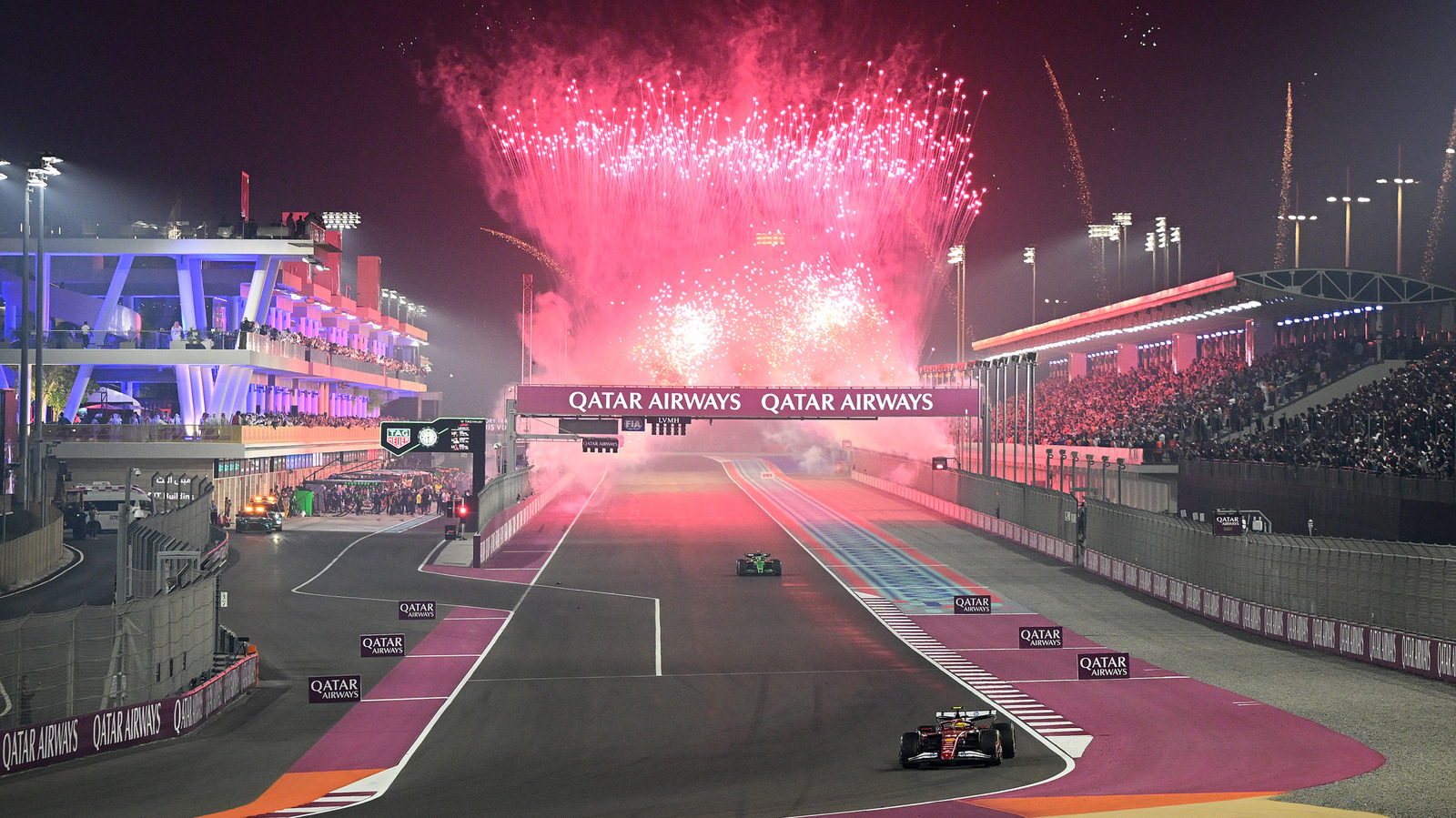
Motorsports are facing uncertainty as Qatar assures its readiness to host Formula 1 and MotoGP events amid ongoing regional conflicts. Despite escalating tensions, officials from Qatar have expressed confidence that the country remains stable enough to facilitate these high-profile races, a claim that raises questions given the geopolitical climate.
Qatar’s Position in a Volatile Region
The current situation in the Middle East has seen a spike in hostilities, particularly involving the United States and Iran. Recently, U.S. military forces conducted strikes targeting Iranian rocket launches in the Strait of Hormuz, which led to retaliatory strikes from Iran across multiple nations, including Iraq and off the coast of the United Arab Emirates. Given this backdrop, Qatar has asserted its capability to host international motorsport events scheduled for November. However, the nation is not a neutral player; it houses Al Udeid Air Base, the largest U.S. military facility in the Middle East, only 25 miles from the Lusail International Circuit, where these events are set to take place. This proximity raises concerns about security, especially since Iranian forces have launched missile strikes aimed at the base in recent weeks.
In response to these concerns, the President of the Qatar Motor and Motorcycle Federation, Abdul Rahman bin Abdullatif Al Mannai, declared that Qatar has been stable and operational. He stated that all airport services, including transit flights between major regions, are fully functional. According to him, “If you visit Qatar, you will see we are back to normal life, so we’re really looking forward to hosting races again soon.” This assurance does conflict with the reality of a volatile security environment, elevating the stakes around the planned races.
The Challenges of Event Logistics
While November may seem far off, the logistics involved in organizing Formula 1 and MotoGP events are complex and cannot be delayed until the last minute. The intricacies of transporting equipment and personnel can easily become complicated by geopolitical tensions. Previously, races in Bahrain and Saudi Arabia were canceled with just a month’s notice, and this was primarily due to an unwillingness to adapt to a rapidly changing situation. Qatar’s situation is further complicated by its scheduled F1 race occurring just one week after the Las Vegas Grand Prix, necessitating meticulous logistical planning for air freight from Nevada.
Al Mannai expressed optimism about the timeline, asserting that preparations for both MotoGP and F1 are underway. He acknowledged, however, that unpredictability remains a factor, stating, “It’s difficult. We don’t know what’s going to happen. The situation has been fluid, even though it’s been really quiet so far.” This highlights a crucial aspect of planning under uncertain conditions, where even minor changes in the geopolitical landscape can necessitate significant adjustments.
Possible Outcomes for Motorsport Events
The implications of a cancellation of the Qatar and Abu Dhabi events would ripple through the motorsports calendar. F1 organizers have already indicated that if these races cannot proceed, they will look to conduct replacement events in Europe rather than allow the season to conclude under tenuous circumstances. This mirrors actions taken by the FIA World Endurance Championship, which shifted its final races to Barcelona and Monza in light of similar concerns.
In contrast, Bahrain has proactively sought to safeguard its place on the racing calendar by opting to move its F1 event to Malaysia, albeit temporarily. Such measures underline the precarious nature of hosting motorsport events in regions experiencing instability. As these racing championships gear up for the upcoming season, the overarching question remains whether Qatar can indeed provide a safe environment for these thrilling competitions. In an era where even a single misstep could jeopardize years of planning and investment, the motorsports community holds its breath.