
Russia has not yet caused significant harm to Europeans outside Ukraine, but tensions are escalating. Recent incidents highlight the potential for a broader conflict. On August 4-5, an armed drone was discovered near the Leipzig-Halle airport, a key logistical hub for supporting Ukraine. Shortly thereafter, a cargo plane reportedly made contact with a second drone on takeoff, leading to an unexpected landing. Investigators subsequently uncovered a third drone adjacent to the airport, equipped with military explosives.
Implications of Recent Drone Incidents
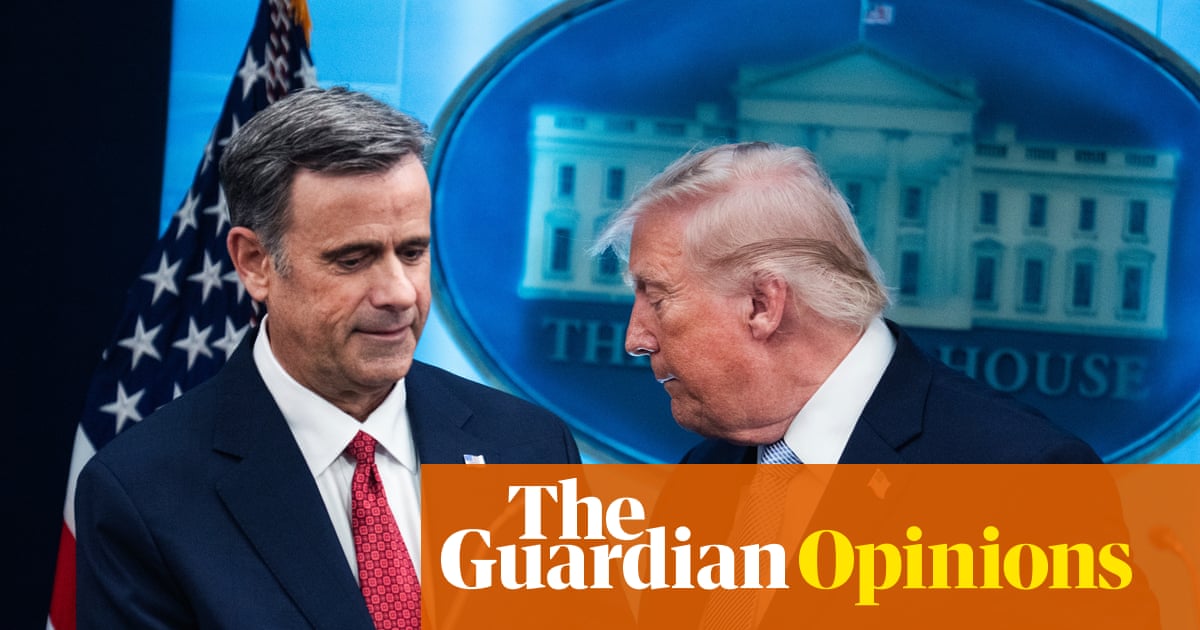
In early 2024, incendiary devices concealed in packages ignited within a DHL cargo shipment at Leipzig airport. Had those devices exploded mid-air, the outcome could have been catastrophic, resulting in massive civilian casualties and potentially igniting a larger conflict. This alarming trend of drone-related incidents has caught the attention of intelligence agencies, prompting urgent diplomatic actions. Following these events, CIA Director John Ratcliffe flew to Moscow to deliver strong warnings regarding potential attacks on NATO territory, while asking Russian officials to reduce their support for Iran.
Despite the proactive diplomatic measures, Ratcliffe’s visit may have limited impact on the Kremlin’s strategy for escalating actions against Ukraine. The current geopolitical landscape, particularly the interconnectedness of the wars in Iran and Ukraine, raises the stakes. As tensions mount, the potential for Russian offensives increases, particularly if the U.S. is perceived as distracted by ongoing conflicts in the Middle East.
The Delicate Balance of Diplomacy and Military Strategy
Ratcliffe’s mission aimed to alleviate the Russian government’s belief that the U.S. was too preoccupied with Iran to focus on Ukraine. However, reports suggest that the dwindling U.S. stockpiles due to involvement in Middle Eastern conflicts appear to empower Vladimir Putin to launch intensified attacks against Ukraine. The Ukrainian leadership has not remained idle; they have dispatched specialists and drones to assist Gulf states, intensifying the complexities of the ongoing conflicts.
Both Russia and Ukraine, along with their respective allies, face critical decisions. Their leaders grapple with the “sunk-cost dilemma,” a phenomenon where past investments in warfare compel them to continue escalating conflicts, despite the risks involved. This pattern has historical precedent and could have dire consequences if contemporary leaders are unable to project restraint.
Urgent Need for a Strategic Resolution
Undoubtedly, clearer strategies are urgently needed to mitigate both wars. One viable pathway for the U.S. could involve negotiating with Iran, potentially unfreezing assets and offering sanctions relief in exchange for a ceasefire. Meanwhile, Ukraine may need to contemplate a more neutral stance in the conflict and discuss the long-term implications of retaining control over contested regions.
In the concluding thoughts of his recent examination of global conflict, historian Odd Arne Westad emphasizes that unresolved regional disputes can escalate into broader warfare. As the wars in Iran and Ukraine interconnect without resolution, world leaders must consider such historical warnings. However, without active pressure from their constituents, the prospects for meaningful change remain limited.
While we are not condemned to repeat history, vigilance is essential. Heightened awareness of the prevailing risks is crucial in compelling leaders to navigate towards peaceful resolutions rather than perpetuating cycles of conflict.