
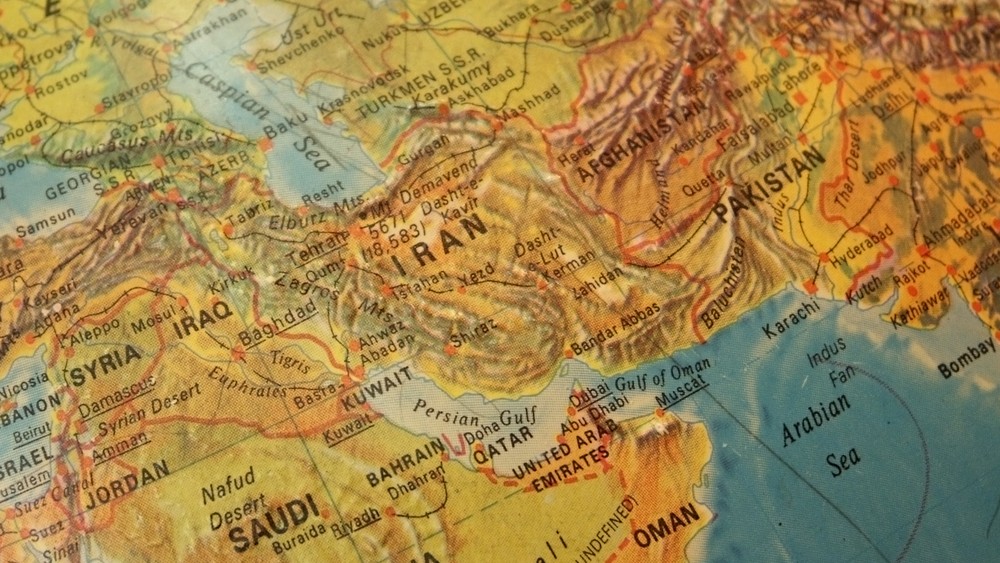
Gulf shipping dynamics, Iraqi trade access, Chinese infrastructure projects, and escalating tensions between the US and Iran are increasingly centered around a significant maritime area near Kuwait’s Bubiyan Island. This strategically important stretch of water is attracting heightened geopolitical interest and emerging conflicts.
Recent Tensions Over Bubiyan Island
Kuwait has recently leveled accusations against operatives linked to Iran’s Islamic Revolutionary Guard Corps (IRGC) for attempting to infiltrate Bubiyan Island. This came after Kuwaiti forces intercepted a fishing vessel and engaged in gunfire with the group, resulting in injuries to a Kuwaiti officer. In response, Kuwait summoned the Iranian ambassador, asserting a breach of its sovereignty, an action swiftly supported by both the UAE and Saudi Arabia. Iran has denied these accusations, yet Iranian state media intensified the situation by alleging that the U.S. utilized Bubiyan to conduct HIMARS strikes against Iran during recent military engagements.
Bubiyan’s Growing Importance
Bubiyan Island is emerging as a crucial part of the broader Gulf logistics and infrastructure network, fostered over the years by Chinese initiatives. The Mubarak Al Kabeer port project in Kuwait aligns with the Kuwait Vision 2035 objectives, as well as broader trade initiatives connected to China’s Belt and Road initiative. This port project aims to increase cargo capacity at the northern Gulf, enhancing shipping connections to Iraq and integrating regional transport networks.
Strategic Waterway Connections
Moreover, Bubiyan Island is situated adjacent to the Khor Abdullah waterway, one of two deep-sea channels crucial for linking Iraq to the Gulf. This access route is vital for the port of Umm Qasr and surrounding Iraqi port facilities. The navigable channel runs nearer to the Kuwaiti shore close to Bubiyan, granting Kuwait significant control over shipping traffic in one of Iraq’s key economic corridors. Iraq has expressed ongoing concerns regarding Kuwait’s Mubarak Al Kabeer port project, fearing it may overshadow Iraq’s own Grand Faw port ambitions. Historically, around 3.2 to 3.4 million barrels of Iraqi crude oil have been exported daily through this northern Gulf region. Tankers departing from southern Iraq navigate through the waters surrounding Bubiyan before entering the broader Gulf shipping channels. Consequently, military uncertainties in this area impact tanker routes, maritime insurance premiums, naval deployments, and commercial trade linked to Iraqi exports.
Military Context in the Region
Additionally, Bubiyan is in close proximity to vital military installations of both Kuwait and the United States. It has become a focal point in the ongoing confrontation between the US and Iran. Recent reports connected to Iranian state media claim that the island played a role during recent military actions, facilitating US operations against Iran.
In summary, the strategic significance of Bubiyan Island is multifaceted, reflecting the intertwined nature of geopolitics, trade routes, and military strategies in the region. As tensions rise and developments unfold, stakeholders must monitor this area closely. The implications for regional stability and global shipping logistics are considerable, making it a key focus in international affairs.