
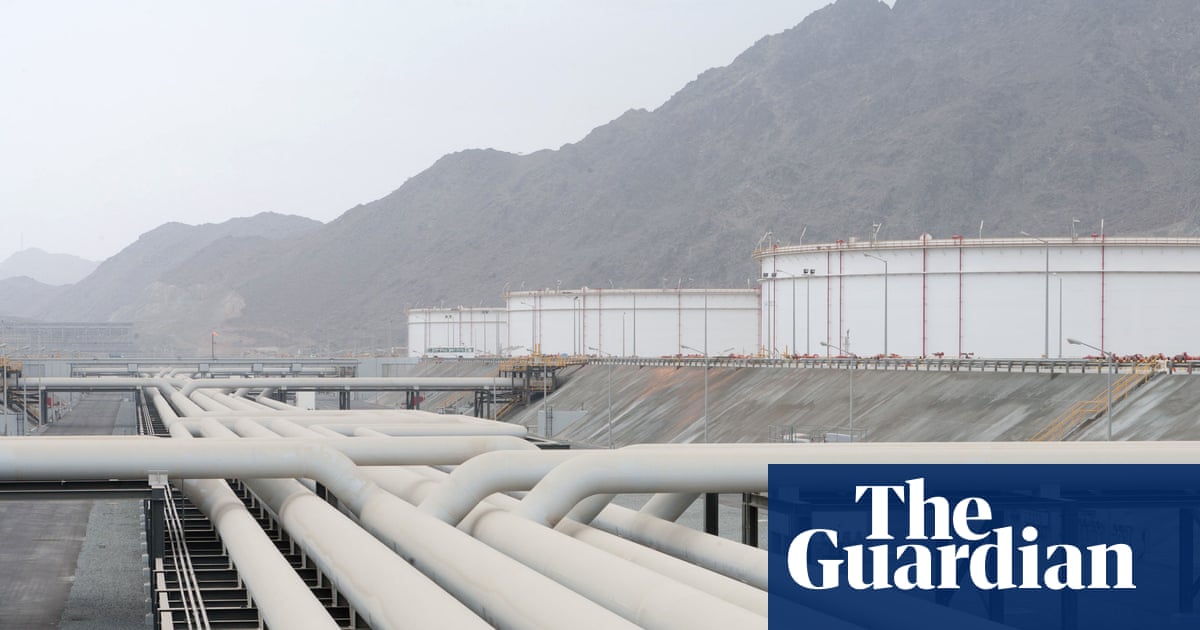
The United Arab Emirates (UAE) is set to enhance its crude oil export capabilities with the development of a new pipeline, designed to bypass the strategic Strait of Hormuz. This initiative aims to safeguard the nation’s energy exports amid growing geopolitical uncertainties and potential disruptions.
Strategic Pipeline Development
The announcement comes in light of ongoing tensions that have resulted in an 11-week blockade of the vital shipping lane, which historically handled approximately 20% of the world’s oil supply. Energy prices have risen sharply during this period, straining economies throughout the Gulf region. To counter these challenges, Sheikh Khaled bin Mohamed bin Zayed Al Nahyan, the crown prince of Abu Dhabi, has instructed the Emirati oil company to expedite the construction of this crucial pipeline, which is anticipated to be operational by 2027.
Doubling Export Capacity
Once completed, the new pipeline is projected to enhance the UAE’s export capacity significantly. Currently, the existing Habshan-Fujairah pipeline can transport up to 1.8 million barrels per day to the port of Fujairah on the Gulf of Oman. The new infrastructure is expected to double that capacity, enabling the UAE to sustain and potentially increase its oil exports even under challenging conditions.
This new pipeline is particularly critical following operations that disrupted tanker traffic through the Strait of Hormuz, especially after recent military actions involving the U.S. and Israel. The UAE and Saudi Arabia remain the only Gulf producers with alternative pipelines that allow crude export beyond the narrow waterway, positioning them as key players in the global oil market.
Implications of OPEC Departure
The urgency surrounding this pipeline project coincides with the UAE’s recent exit from the Organization of the Petroleum Exporting Countries (OPEC) after six decades of membership. This move reflects growing differences between Abu Dhabi and Riyadh, particularly regarding oil production policies. The UAE’s departure is a clear indication of its intent to operate independently, particularly as it anticipates a post-conflict scenario where it seeks to maximize its oil output.
This new pipeline option allows the UAE to adapt its strategies concerning oil exports. By facilitating the transportation of oil regardless of the geopolitical situation, the UAE can produce and export more oil beyond the constraints set by OPEC quotas. The anticipated increase in capacity aims to position the UAE as a more formidable entity in the global energy market, especially as the conflict around the Strait of Hormuz persists.
Potential Economic Impact
The precise capacity of the new pipeline has yet to be disclosed, but speculation suggests it could potentially reach 3.6 million barrels per day, allowing the UAE to match the transport capabilities of Saudi Arabia. The latter manages to move around 7 million barrels per day to its Red Sea port of Yanbu. This ambitious goal could mark a significant shift in the energy dynamics in the region, especially if the UAE manages to enhance its export stability despite ongoing challenges.
As energy prices remain volatile and geopolitical tensions escalate, the UAE’s strategic developments indicate a proactive approach to securing its future in the oil market. The new pipeline project represents a crucial step in ensuring uninterrupted oil exports, positioning the nation to better navigate both current conflicts and future market fluctuations.