
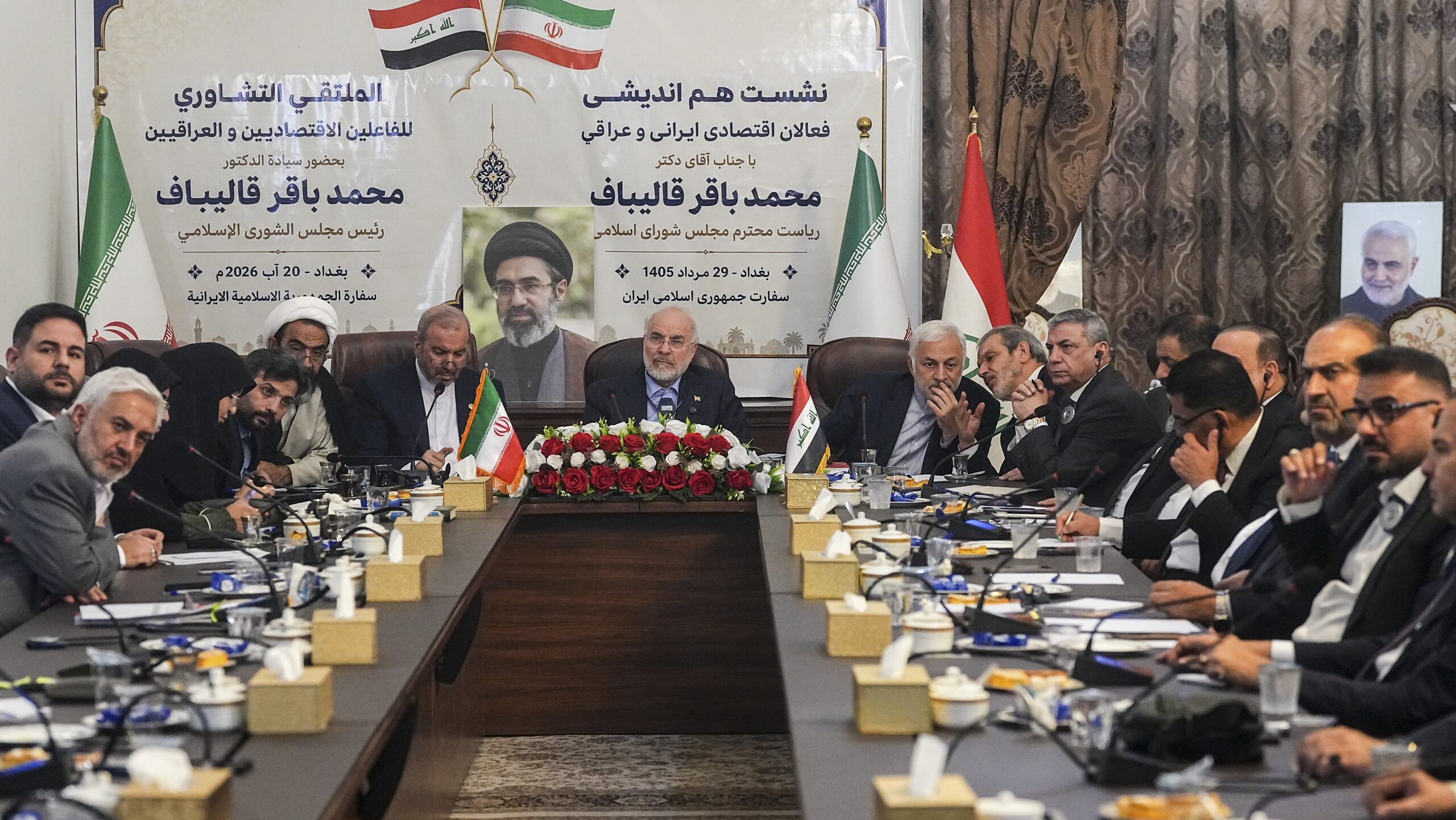
Iraq plays a pivotal role in Iran’s economy, especially under increased pressure from the U.S., which is intensifying its efforts to curb Tehran’s influence. The extensive political and commercial relationships between Iraq and Iran, coupled with the participation of armed groups supported by Iran, create a complex web of economic interactions that are challenging for U.S. authorities to track.
The Economic Dynamics between Iraq and Iran
Iraq’s significance as an economic partner for Iran cannot be overstated. The two countries share a lengthy border of approximately 1,600 kilometers, boasting both official checkpoints and long-established smuggling routes. This provides Iran with vital access to dollar transactions and other financial mechanisms that can evade scrutiny. Various reports indicate that Iraqi banks are often utilized for transferring dollars to Iran and its affiliated groups.
The urgency of this economic relationship has been highlighted by Iraqi Prime Minister Ali al-Zaidi’s commitment to bring the arms of Iran-backed militias under government control by September 30. However, analysts warn that progress has been slow, with U.S. pressure on Baghdad to enhance its oversight of dollar movements and banking systems continuing unabated.
Challenges of Monitoring Financial Transactions
U.S. sanctions have significantly constrained the channels through which Iraqi banks can operate since 2023. While these measures have limited access to U.S. dollars, they have not entirely eliminated the incentives for illicit currency trading. The Central Bank of Iraq maintains an official exchange rate of 1,300 Iraqi dinars per dollar, but the parallel market rate often exceeds this, indicating a strong demand for hard currency outside formal avenues.
Despite the challenges imposed by sanctions, significant amounts of money still flow from Iraq to Iran. Experts estimate that daily dollar shipments transit various border crossings, especially at Shalamcheh, controlled predominantly by Shia militias. Some methods of circumvention involve opening accounts in Iraqi and Lebanese banks under the names of Iranian citizens, making it difficult to trace the ultimate beneficiaries.
Trade Relations and Economic Impact
Trade between Iraq and Iran remains robust, covering a wide array of products. Iranian goods such as agricultural products, household items, and industrial materials are prevalent in Iraqi markets. While official data shows that Iran exported over $7 billion worth of goods to Iraq in 2024, discrepancies between Iraqi and Iranian trade statistics point to the complexities in tracking these exchanges.
Iraqi economists underscore the enduring nature of this trade, attributing its persistence to shared cultural ties and mutual interests. Iran allegedly uses Iraqi markets to bypass U.S. sanctions, often paying in Iraqi dinars, which reduces its dependence on dollars for bilateral trade. These economic arrangements can lead to a heightened financial burden on Iraq while simultaneously undermining its economic sovereignty.
Political Risks and Economic Consequences
The increased presence of Iranian-backed militias in Iraq poses significant risks to the country’s economy. Analysts caution that currency manipulation, trade fraud, and preferential treatment for Iranian goods could trigger additional financial sanctions and pressure on the Iraqi dinar. The convergence of rising border trade and the stated aim of boosting bilateral trade to $20 billion complicates efforts to enforce compliance with U.S. sanctions.
Experts argue that it is crucial for the Iraqi government to strengthen oversight of armed groups and their economic activities to protect the nation’s recovering economy. Without firm intervention, Iraq risks becoming further entangled in economic dependency on Iran, compromising its financial stability and sovereignty.
In summary, the entwined economic fabric of Iraq and Iran serves as a double-edged sword—while offering avenues for trade and cooperation, it also exposes Iraq to numerous vulnerabilities that may have long-lasting repercussions on its economy.