
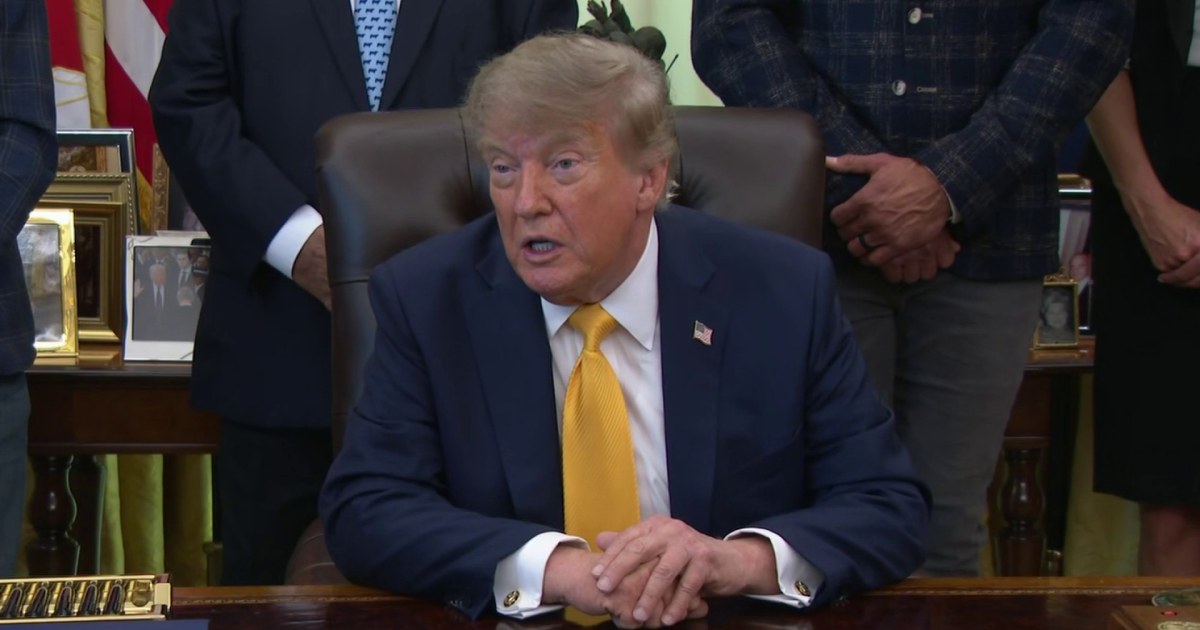
In recent comments, President Trump downplayed the ongoing military conflict in Iran, referring to it as “small potatoes.” This remark, made during an Oval Office event, was echoed by Vice President JD Vance, who similarly refrained from labeling the situation as a “war.” Such statements have raised eyebrows and sparked discussions regarding the significance of the conflict and its implications for U.S. foreign policy.
The Context of Trump’s Comments
Trump’s characterization of the military conflict comes amid rising tensions in the region. Critics argue that minimizing the severity of such geopolitical issues could undermine the seriousness with which the administration addresses threats abroad. The situation in Iran remains complex, with significant historical, political, and social factors at play. By trivializing it, the President risks alienating the very allies and community members who are deeply affected by these tensions.
Domestic Reactions and Criticism
Domestically, Trump’s remarks have drawn both support and criticism. Supporters see his comments as a sign of strength, promoting a policy of restraint in military engagements. Conversely, many detractors argue that such dismissive language can be dangerous. They worry that it might lead to a lack of urgency around diplomacy and national security measures, leaving open the potential for escalation.
Implications for U.S. Foreign Policy
The implications of treating Iran’s military situation as “small potatoes” extend beyond immediate public relations. Analysts suggest that such comments might signal a broader shift in U.S. foreign policy, potentially moving away from interventionist approaches towards more cautious engagement. This might resonate with segments of the American populace who have grown weary of prolonged military entanglements, suggesting that a re-evaluation of foreign strategies could be on the horizon.
Looking Ahead: The Upcoming Challenges
As the situation evolves, the administration will face significant challenges in balancing foreign relations and domestic expectations. Continuous dialogue with stakeholders—including congressional leaders and international partners—will be essential to ensure that U.S. interests are adequately represented and safeguarded. Meanwhile, the discourse surrounding military conflicts will remain a contentious topic, influencing the political landscape as the nation gears up for upcoming elections.
In summary, Trump’s comments regarding the conflict in Iran shed light on fundamental divides in perceptions of U.S. engagement in foreign affairs. As the nation moves forward, it remains crucial to critically examine the language used by leaders and the strategic consequences of their words.