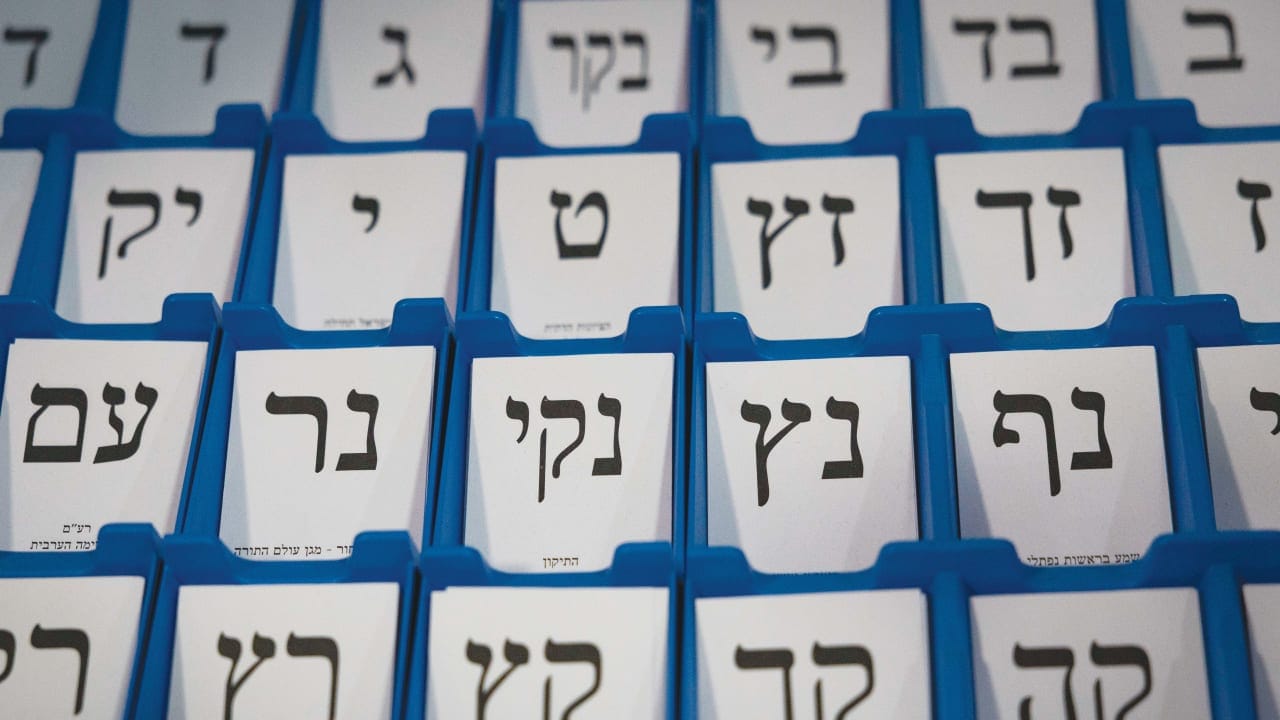
As Israelis prepare for their impending elections, Benjamin Netanyahu has re-emerged in the media spotlight with a notable endorsement from President Trump. This development raises questions about its potential influence on the voting outcome, especially considering the complexity of recent political events.
Netanyahu’s Last-Minute Strategy
During a recent episode of The Deep Dive, host Jacob engaged with Shmuel Rosner, a senior fellow at the Jewish People Policy Institute and an election pollster for Channel 13. Rosner’s assessment was direct: the recent political climate, marked by intense discussions surrounding judicial reforms, the events of October 7, and ongoing conflicts involving Gaza, Lebanon, and Iran, have largely solidified Israeli voters’ preferences. Therefore, any shifts in voter behavior are likely to be limited to within political blocs rather than across them.
Rosner emphasizes that Netanyahu’s last-minute media blitz isn’t aimed at capturing 61 seats, the threshold for a majority, but rather a defensive strategy to prevent the opposition from forming a cohesive coalition. Such a coalition could trigger another election within six months, a scenario where Netanyahu might find himself in a more favorable position.
Potential Outcomes Post-Election
As the conversation shifted to what the political landscape might look like following the elections, Rosner outlined a scenario involving a minority government supported by a narrow 57-50 split. This is a stark contrast to a coalition established on a 52-51 basis, underscoring the instability associated with slim majorities. He also discussed the role that President Herzog could play in facilitating dialogue among opposing parties, which many Israelis hope could lead to a unity government.
One intriguing possibility Rosner mentioned is a plea deal that would allow Netanyahu to step back from power, a solution that could appease a broad spectrum of political factions—except for Netanyahu himself. He suggested that a post-election crisis with Iran might push rival parties to unite under an emergency government, despite the opposition’s wariness based on prior experiences with leaders like Benny Gantz.
Trump’s Endorsement: A Double-Edged Sword
Rosner clarified the dynamics surrounding Trump’s endorsement of Netanyahu, labeling it as low-risk for Trump. If Netanyahu wins, it boosts Trump’s image by leveraging the endorsement. Conversely, should Netanyahu lose, the victor will still require a good relationship with Washington, neutralizing any potential backlash against Trump.
As the discussion progressed, Rosner addressed concerns regarding the integrity of the electoral process. He defended Israel’s voting system, asserting it remains one of the few institutions that commands public trust. He cautioned that spreading baseless claims regarding the election count could pose significant threats to Israel’s democratic fabric.
The Stakes of This Election
In closing, Rosner offered a thought-provoking perspective on the broader implications of these elections. He argued that whether this election is deemed one of great historical importance hinges on its results. For many in the opposition, an extended term for the current coalition could represent a crisis not just for their political beliefs but also for their sense of national identity. This adds an emotional layer to an already contentious electoral process, highlighting how intertwined politics and personal sentiment have become in Israel today.
In summary, as the elections draw near, the stakes could not be higher, making it imperative for both sides to articulate clear visions for the future if they hope to sway undecided voters.