
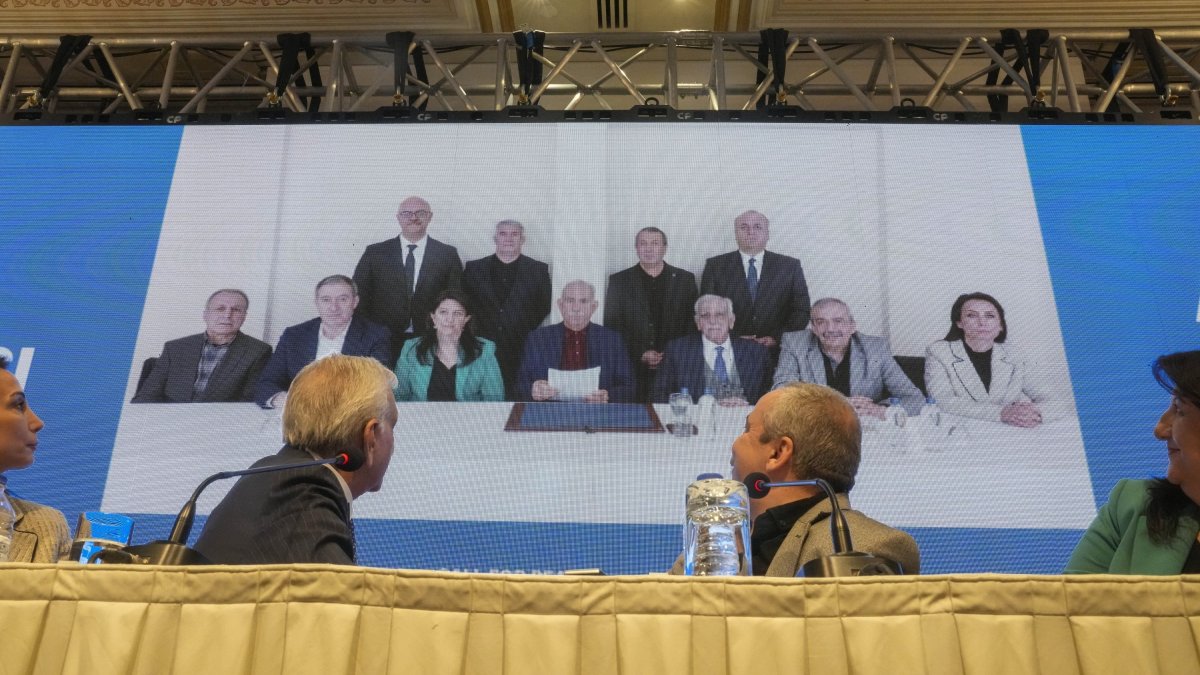
A recent proposal from a government affiliate has reignited discussions about the “terror-free Türkiye” initiative. This proposal suggests the creation of a “Peace Process and Politicization Coordination Presidency,” potentially involving Abdullah Öcalan, the incarcerated leader of the PKK, in a structured process for disarmament and normalization.
### Context of the Initiative
Backed by the Turkish state and advocated by Nationalist Movement Party (MHP) leader Devlet Bahçeli, the initiative aims to bring an end to the PKK’s decades-long campaigns marked by violence and loss of life. Over the past forty years, the PKK has claimed tens of thousands of lives and has caused significant instability not just within Türkiye, but also in neighboring regions like Syria and Iraq. Bahçeli’s approach has shifted the conversation towards how Türkiye could transition legally should the PKK choose to surrender and disband.
Bahçeli framed his proposal as a state initiative aimed at completely eradicating terrorism from Turkish society. He emphasized that the objective is to eliminate the influence of violence in politics and to restore peace within the national framework. He asserted, “The essence of the matter is the complete liquidation of terrorism, the silencing of weapons, and the removal of terrorism from our national agenda.”
### Legal Challenges Ahead
However, any such initiative must navigate the significant legal constraints imposed by Turkish law. Öcalan is currently serving an aggravated life sentence for acts against state unity, which complicates any potential role he might play in this process. Turkish Law No. 5275 stipulates that certain criminals, especially those convicted of terrorism-related charges, cannot access standard conditional release mechanisms like parole. As it stands, Öcalan cannot be released under current statutes.
Legal experts suggest that if the Turkish government wants to formalize a role for Öcalan, they would need to pursue specific legal reforms, possibly amending laws related to aggravated life sentences. This can include establishing new pathways for review or alternative detention conditions without invalidating his existing sentence. The concept of “the right to hope,” advocated in European legal discussions, posits that even life prisoners should have some opportunity for legal review; this notion has been brought up in discussions about Öcalan’s situation.
### Mechanisms for Implementation
Another option the Turkish government could explore involves administrative changes rather than sweeping legislative reforms. Authorities already wield considerable control over prison visitations and communication permissions. During a previous peace initiative from 2013 to 2015, officials from pro-PKK parties interacted with Öcalan under state supervision. A similar, more structured framework could potentially be expanded to facilitate this new endeavor.
Additionally, Bahçeli mentioned the creation of a parliamentary oversight mechanism, a “Peace Monitoring and Oversight Board,” that could help monitor the steps required for disarmament and political normalization. This suggested board could oversee efforts to reintegrate ex-PKK members into the political landscape, with Öcalan continuing to serve time while affecting negotiations indirectly.
### Navigating Political Sensitivities
While the proposal offers a way forward, it underscores the delicate political balance in Turkish society. The National Intelligence Organization (MIT) is expected to play an essential role, as past engagements with the PKK have largely occurred through intelligence channels rather than formal agreements. Nevertheless, any arrangement perceived to legitimize Öcalan politically could face vehement backlash from significant portions of the population.
Framing the initiative around themes of public order and national unity, Bahçeli aims to solidify state authority by eliminating armed opposition permanently. However, public sentiment is mixed; polls indicate cautious support for ending terrorism, but proposals involving Öcalan’s role could alienate nationalist and conservative factions within Türkiye, complicating the ruling Justice and Development Party’s (AK Party) position.
While formal legislation has yet to be introduced, Bahçeli’s comments indicate a shift in Ankara’s focus from the feasibility of a post-PKK framework to the practicalities of implementing one. This evolving dialogue presents both challenges and opportunities within Türkiye’s complex political landscape.