Ongoing conflicts in the Middle East have raised concerns about air travel to the region, yet commercial flights keep operating, particularly from Australia. Airlines like Emirates, Etihad, and Qatar Airways have resumed extensive schedules, indicating a return to normalcy in air travel. However, travelers may be curious about what the experience is like when flying through Dubai amidst these tensions.
The Calm Atmosphere on Flights to Dubai
Interestingly, the atmosphere aboard flights to Dubai is remarkably tranquil, despite global tensions. During a recent trip on Emirates from Melbourne to Dubai, I found the flight to be nearly full, both in business and economy classes. Conversations with fellow passengers revealed a similar sense of calm—not one expressed anxiety about the political climate; instead, they were engaged in their plans, from attending conferences in Austria to enjoying leisure time in the UK. This indicates that many travelers continue to choose this route without hesitation.
Arriving at Dubai Airport
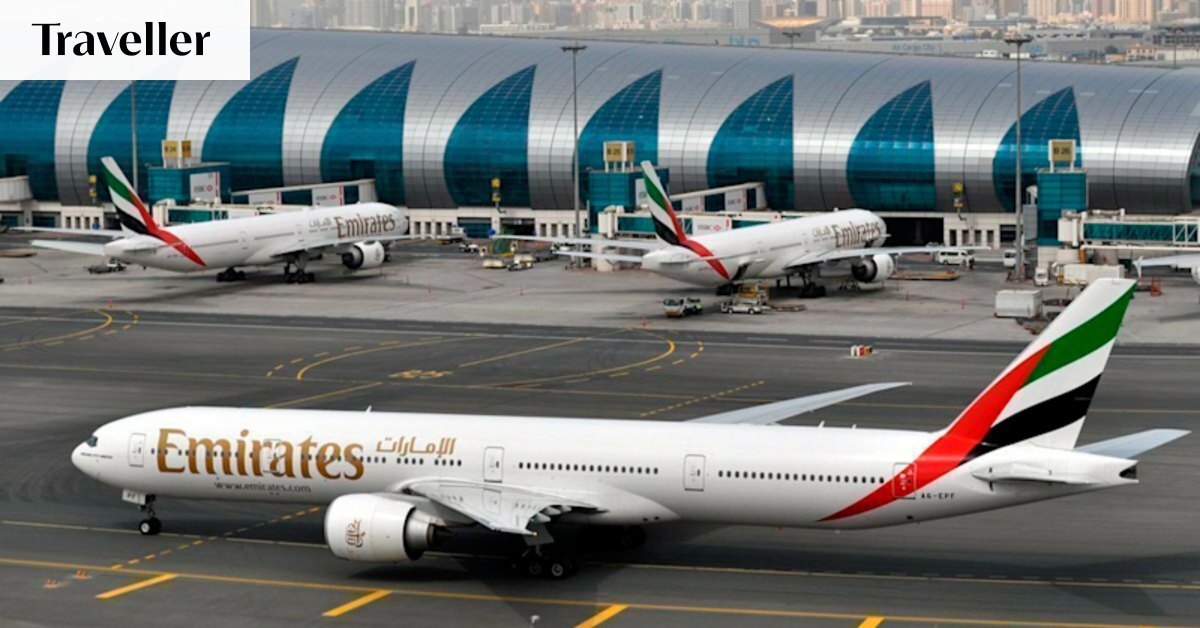
Upon arrival at Dubai Airport, passengers can expect a remarkably typical experience. Having passed through its terminals numerous times before the onset of conflict, I noticed that security checks remain efficient, and crowd levels were manageable. The lounges were busier than usual but not overwhelmingly crowded, creating a relaxed environment. Passengers could savor their time, making it an enjoyable layover rather than a stressful encounter.
However, travel in such a dynamic environment also comes with uncertainties. Passengers may experience delays, as happened during my trip when we waited for connecting passengers from late inbound flights. Despite these minor hiccups, the overall experience felt considerably stable.
Preparing for Potential Disruptions
For travelers considering a transit via the Middle East, being prepared is crucial. First, it’s essential to examine your travel insurance policy, especially concerning regions categorized as “do not travel” or “reconsider your needs.” The classifications for various Middle Eastern countries fluctuate, so staying updated on travel advisories is vital. In addition, specialized insurance providers offer coverage that addresses higher-risk travel scenarios, which might be suited to those traveling through conflict zones.
Moreover, staying on top of airline communication regarding any flight schedule changes can prevent complications later on. My own travel plans changed, requiring a modified departure, yet such adjustments were communicated well in advance.
Comfort Tips for the Journey
For peace of mind and preparedness, consider simple strategies for your travels. For instance, ensure that all devices are fully charged during long flights. Keeping a photocopy of your passport can be handy should you need to apply for an unexpected visa or in case of loss. Having flexibility in your mobile network options, such as multiple SIM cards or eSIMs, can also help if one network fails during your travels.
While the current situation can be disconcerting, maintaining a positive and patient attitude goes a long way. With the right preparations and mindset, navigating air travel through the Middle East can be a smooth experience.