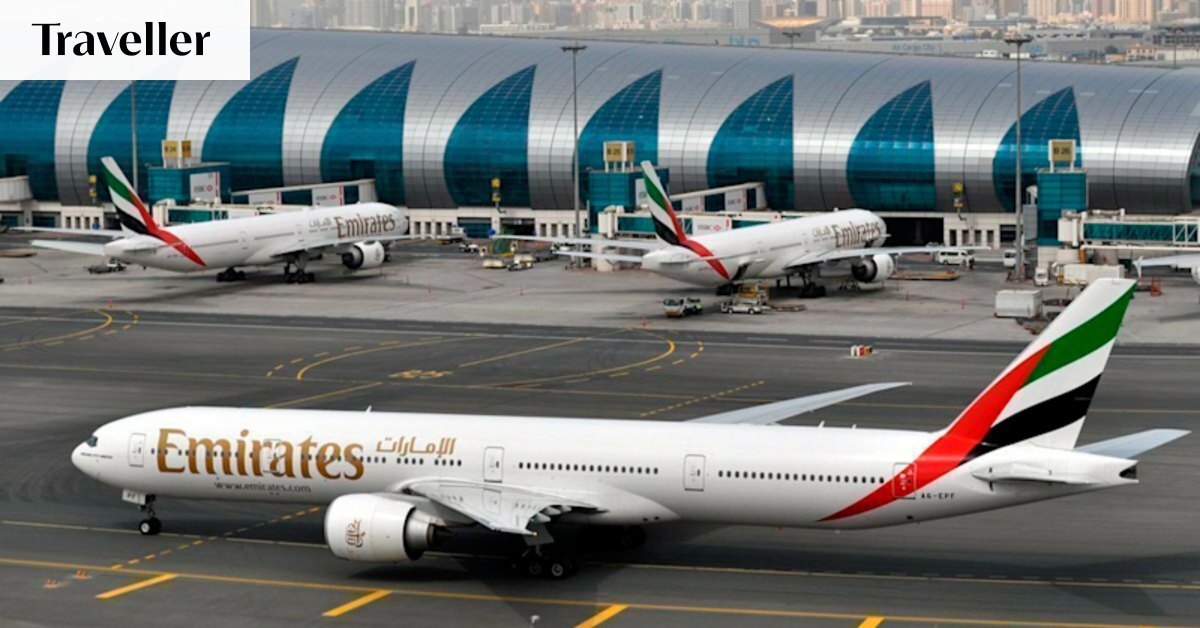
Traveling through the Middle East can often evoke mixed feelings, especially amidst ongoing regional tensions. However, airlines such as Emirates and Etihad Airways continue to offer robust services, making transit through hubs like Dubai more accessible than ever for travelers from Australia. So, what can you expect if you find yourself flying through Dubai in the current climate?
Air Travel Amid Regional Tensions
Despite the unsettling geopolitical situation, travelers report surprisingly calm experiences when flying to and from the UAE. On a recent flight from Melbourne to Dubai, the onboard atmosphere in business class was vibrant and full, reflecting a normal level of activity. Fellow passengers hailed from various corners of the globe, heading to destinations like Austria and Manchester. None seemed particularly anxious about the regional issues; it was business as usual.
Upon arriving at Dubai Airport, a sense of normalcy persisted. Having traversed this airport numerous times, I noted that the security processes were efficient and unperturbed, lacking the anxiety one might expect under the circumstances. In fact, my bags were processed more swiftly than they had been in Melbourne, further emphasizing the airport’s ability to function without disruption.
Exploring Airport Amenities
During my time at the airport, I took the opportunity to visit the Emirates lounges, which usually buzz with travelers. While they were certainly busy, the atmosphere felt less frenetic compared to pre-pandemic days. With more travelers returning, it’s clear that interest in international travel is reviving.
However, the experience didn’t come without its hiccups. Delays were mostly related to connecting flights rather than air traffic control issues. At one point, all flights were funneled onto a single runway due to air traffic management, which is atypical for such a bustling airport. These challenges, while inconvenient, remain common in air travel and are often well managed by airline staff.
Preparing for Transit Challenges
To ensure a smoother journey, preparing for potential travel disruptions is crucial. Start by carefully reviewing your travel insurance. Most standard policies will not cover events in areas with a “do not travel” advisory, but those categorized as “reconsider your need to travel” may still be valid. As of now, both the UAE and Qatar fall under the latter category, making it essential to verify your coverage before departing.
For travelers seeking additional peace of mind during potentially volatile transits, specialized insurance options exist that cater specifically to higher-risk areas. Emirates even offers its own travel insurance plan, while alternative providers like Hotspot Cover present more flexible options for medical-only transit insurance.
Tips for a Stress-Free Journey
To prepare for unforeseen circumstances, it’s advisable to remain vigilant about your flight schedules, as last-minute changes are not uncommon, especially in these uncertain times. I had a recent experience of adjusting my plans, departing a day later due to connection rescheduling. Thankfully, the changes were communicated well in advance, easing some concerns as I adjusted my itinerary.
Other proactive measures can also streamline your travel experience. For instance, fully charging all devices during long-haul flights will keep you connected should you face delays or need to communicate changes. Also, carrying copies of essential documents, such as your passport or necessary visas, can facilitate smoother transitions, particularly if plans need to pivot urgently.
In a nutshell, traveling through the Middle East, especially via major hubs like Dubai, may seem daunting, but it can also prove to be efficient and manageable with the right preparations. Keep your patience and adaptability at the forefront of your travel mindset.