
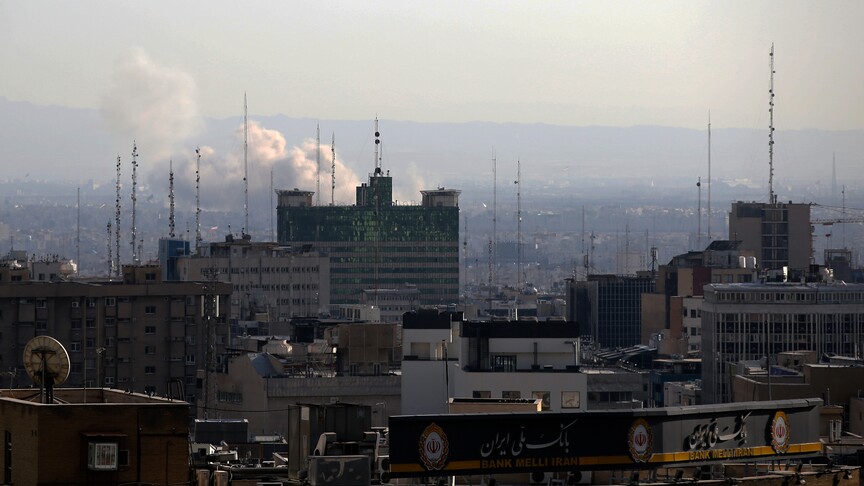
As tensions rise in the Middle East, Qatar is advocating for a gradual resolution to the ongoing US-Iran conflict. The goal, according to Foreign Ministry spokesperson Majed al-Ansari, is not merely to halt hostilities but to foster a conducive environment for long-term dialogue and political stability in the region.
Phasing Out the Conflict
In an interview with CNN, Al-Ansari emphasized that Qatar believes a quick resolution is not feasible. He stated, “We have to phase this crisis out rather than end it immediately.” The focus should be on stabilizing the situation to facilitate meaningful negotiations. The spokesperson underscored the importance of addressing the underlying issues that contribute to the region’s instability. Qatar aims to prevent a cycle of conflict where one high-intensity situation transitions into another, warning against merely freezing tensions without finding sustainable solutions.
Immediate Priorities for Qatar
Qatar has articulated two primary objectives amidst the escalating conflict. The first is to alleviate economic pressure on Gulf nations and Iran, particularly regarding the security of the Strait of Hormuz, a vital waterway for oil transport. Al-Ansari noted, “We want to ensure that the Strait is open and that economic burdens on us, including on the people of Iran, are lifted.” The second objective is to prevent any further military escalation, which would impede the potential for future dialogue among regional players.
The emphasis on these priorities reflects Qatar’s strategic view: they understand that tensions must be alleviated before any inclusive conversations can materialize. Al-Ansari believes that a collective effort is essential for engaging in a comprehensive dialogue that includes all stakeholders, not just external powers.
Barriers to Settlement
Al-Ansari also identified political will and technical issues as significant barriers to reaching a resolution. Qatar is actively working on proposals intended to address these obstacles. Notably, he criticized the effectiveness of sanctions, arguing that they have largely failed to yield the desired diplomatic outcomes. He reiterated that discussions at the negotiation table are the only viable route toward resolving the ongoing conflict.
Additionally, Al-Ansari warned against normalizing disruptions in the Strait of Hormuz, highlighting that such actions could have far-reaching implications for global energy, food supply, and economic stability. He believes the region must act to prevent a situation where closing waterways becomes an accepted wartime strategy.
Call for Accountability
In closing, Al-Ansari stressed the need for accountability and adherence to international law. The normalization of aggressive tactics could have consequences that transcend the current conflict, affecting international relations and regional stability. He called for a united regional effort to ensure that peaceful negotiations are prioritized over continued hostilities.
In essence, Qatar is pursuing a careful approach aimed at mitigating immediate conflicts while laying the groundwork for a comprehensive dialogue that addresses the root causes of regional instability. The focus appears to be shifting from a temporary cease-fire to a strategic roadmap for sustainable peace.