
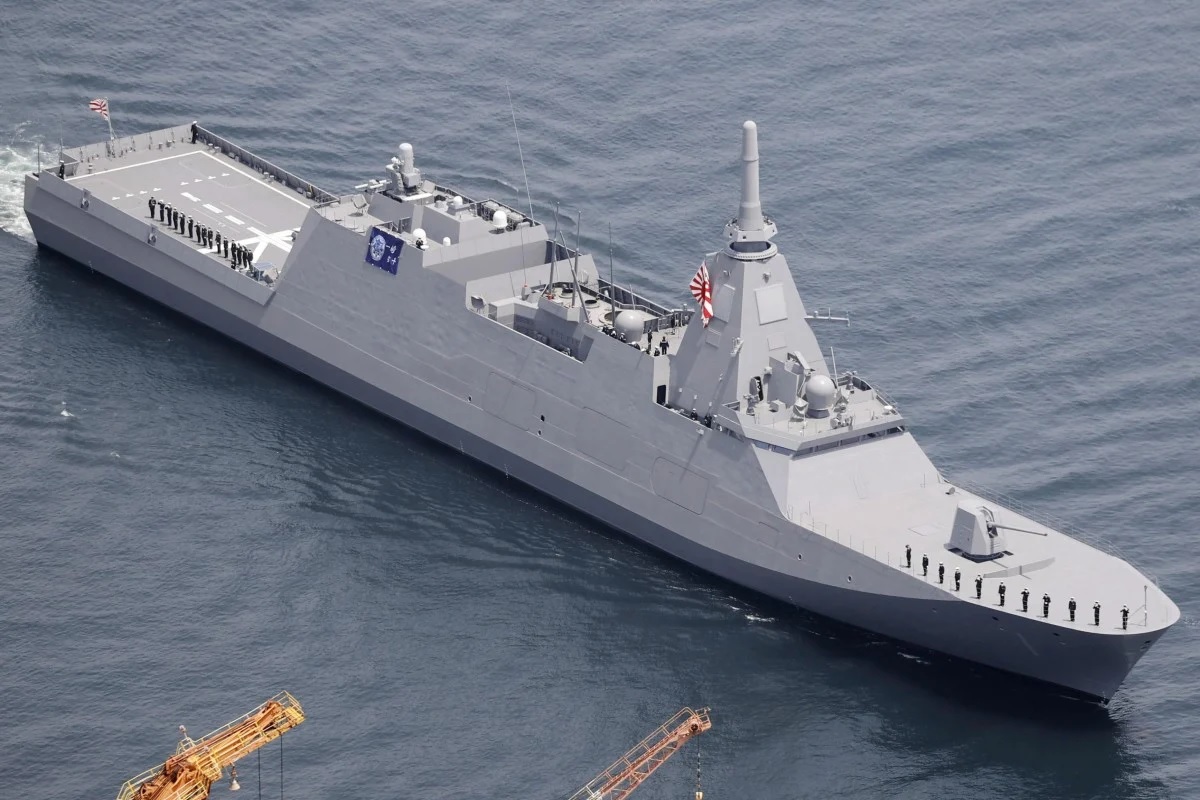
The U.S. Navy is exploring the possibility of integrating foreign frigate designs into its fleet to address its growing demand amid a sluggish domestic shipbuilding industry. As reported by U.S. media, this initiative gained traction after President Trump signed a National Security Presidential Memorandum aiming to leverage foreign shipbuilding capabilities.
### Foreign Designs on the Table
Potential candidates for the next-generation guided-missile frigate include Japan’s Mogami-class, South Korea’s Chungnam-class, and Turkey’s Istanbul-class. These considerations come in light of discussions between the Trump administration and military officials about expanding naval capacity through international partnerships. Navy spokesman Ron Flanders emphasized that the initiative focuses on harnessing the shipbuilding proficiency of allied nations to bolster U.S. naval power.
### The “Finland Model”
The proposed framework for cooperation could follow what’s known as the “Finland model.” This concept involves initial hull construction by foreign shipbuilders, which would then invest in U.S. facilities and workforce before transitioning production entirely to American shipyards. If enacted, this would mark a historic shift as it would be the first significant purchase of a surface combatant from a foreign partner since World War II.
### Legislative Pushback
However, this ambitious plan is likely to run into stiff opposition from Congress. Lawmakers from states with substantial shipbuilding industries are cautioning against the reliance on foreign suppliers for warships. U.S. law generally mandates that major naval vessels be constructed in domestic yards unless a national security waiver is issued by the President. In August, Trump did invoke this waiver, arguing that foreign partnerships were essential for national security, particularly given the myriad challenges facing U.S. shipbuilding.
### Current Shipbuilding Landscape
The Trump administration has voiced a necessity to improve shipbuilding capacity as the existing industrial base has been suffering from backlogs, delays, and rising costs. This has prompted the Pentagon to allocate $1.85 billion in its 2027 budget for a feasibility study aimed at exploring outsourcing warship design and construction to allied nations such as South Korea and Japan.
The Mogami-class frigate, developed by Japan’s Mitsubishi Heavy Industries, has piqued interest due to its stealth capabilities and high level of automation. Australia has already ordered 11 vessels of this class, with the initial three to be constructed in Japan, followed by others in Australia. South Korea’s Chungnam-class frigate, designed by a consortium of major industrial players, showcases the advanced manufacturing capabilities in the region.
### Challenges and Opportunities
The challenge for U.S. lawmakers lies in balancing national interests with the pressing need for modernization within the Navy. While the discussions of outsourcing ship construction present a novel approach, they also highlight vulnerabilities within the domestic maritime sector. The Pentagon’s previous attempt to utilize foreign designs in the Constellation-class frigate program ran into severe complications, leading to its eventual cancellation after extensive modifications and significant delays.
As the U.S. Navy navigates these complexities, it stands at a crossroads. Whether to embrace foreign designs as a bridge to enhancing its capabilities or to double down on rebuilding domestic capacity remains a contentious debate influencing future naval strategy.