
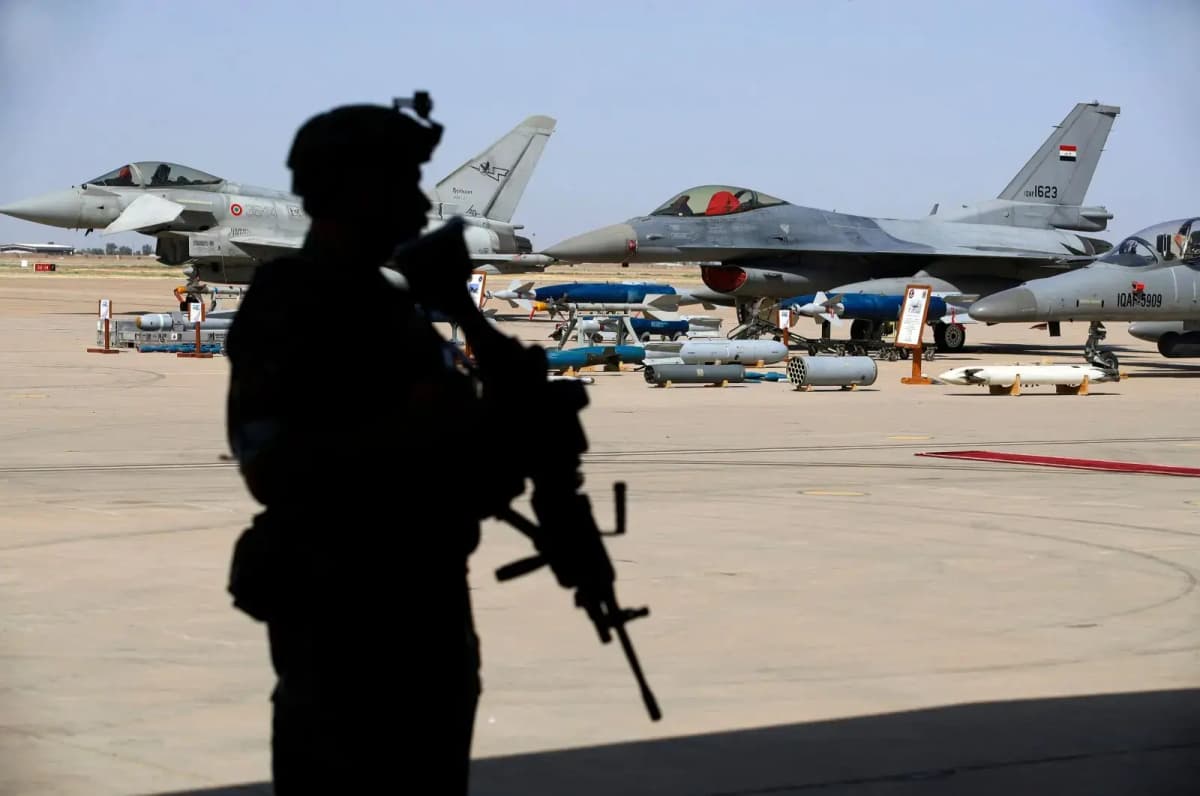
Erbil, the capital of the Kurdistan Region in Iraq, is ramping up its defensive strategies amid escalating regional tensions. With ongoing threats to vital installations, including those related to oil, the Kurdistani government is striving to fortify its airspace and overall security framework. This heightened focus on defense comes as Baghdad intensifies its pursuit of advanced air defense systems, underscoring the urgency of the situation.
Strengthening Airspace Sovereignty
The Iraqi Armed Forces have developed a comprehensive plan designated to enhance the nation’s airspace sovereignty and safeguard critical infrastructure. As outlined by military spokesperson Sabah al-Numan, the Air Defense Command aims to prevent indirect attacks while ensuring that essential facilities within both the Kurdistan Region and the broader Iraqi landscape are well-protected. The proactive measures established by regional military officials indicate a commitment to security, especially as the Iraq government faces increased threats from various factions, notably drone and missile attacks launched by Iranian-backed groups.
Rapid Response to Emerging Threats
Heightened concerns over airspace violations have spurred the Iraqi government’s efforts to acquire modern defense systems. An acceleration in procurement processes reflects the urgent need for advanced technology designed to counter contemporary assault methods. This initiative follows a series of alarming incidents where Iraqi airspace has been compromised since the climate of conflict escalated after the US-Iran tensions intensified. Notably, Iraq has experienced direct engagements that target American bases and energy infrastructures, signifying an urgent need for an effective air defense strategy.
In response to these threats, the Iraqi Defense Ministry confirmed ongoing negotiations for contracts aimed at acquiring sophisticated air defense systems. This step is crucial not only for Iraq’s sovereignty but also for ensuring the safety of international operators involved in oil extraction and infrastructure development in the region. Initiatives like these are crucial to limiting the impact of warfare on economic stability in the Kurdistan area, which heavily relies on its oil exportation.
Strategic Planning and Military Collaboration
A significant shift in Iraq’s air defense strategy was prompted by a directive from Prime Minister Ali al-Zaidi. He has called for expediting processes that focus on procuring reliable defense technology from established countries. To this end, the Ministry of Defense is collaborating closely with financial departments to secure funding for these essential systems. This ensures that the military’s logistical requirements are aligned with securing appropriate financing, which is essential for the timely acquisition of advanced defense mechanisms.
Moreover, Baghdad aims to streamline its air defense plans from an initial six-year timeline to a more achievable three-year framework. Such steps reflect a serious commitment by the government to enhance its defensive capabilities efficiently without compromising technical dimensions. The establishment of a specialized fund to facilitate air defense activities indicates a strategic pivot towards a proactive approach in maintaining Iraq’s territorial integrity.
The Path Forward: A Unified Defense Network
The prospective air defense network is expected to benefit not just the Kurdistan Region, but Iraq as a whole. With a focus on safeguarding vital infrastructure against potential aggressors, this initiative represents a critical move toward establishing a more resilient security architecture. These systems will be aligned with Iraq’s overarching goals of reinforcing its position against Iranian influence and ensuring that all factions respect its sovereignty.
In summary, Iraq’s commitment to improving its air defense capabilities is driven by pressing security challenges and growing regional instability. By securing reliable partnerships for advanced military technology and addressing internal vulnerabilities, Iraq aims to create a stable environment for its citizens and maintain its position in the global economy. The planned developments not only bolster defense measures but also strive to foster a safer future for the entire nation.