
Iraq’s political landscape is evolving as the Coordination Framework, an influential Shiite alliance, prioritizes the legislation regulating the Popular Mobilization Forces (PMF). This initiative coincides with increasing pressure from Washington for Baghdad to address and rein in armed factions operating within the country.
Legislative Push for PMF Oversight
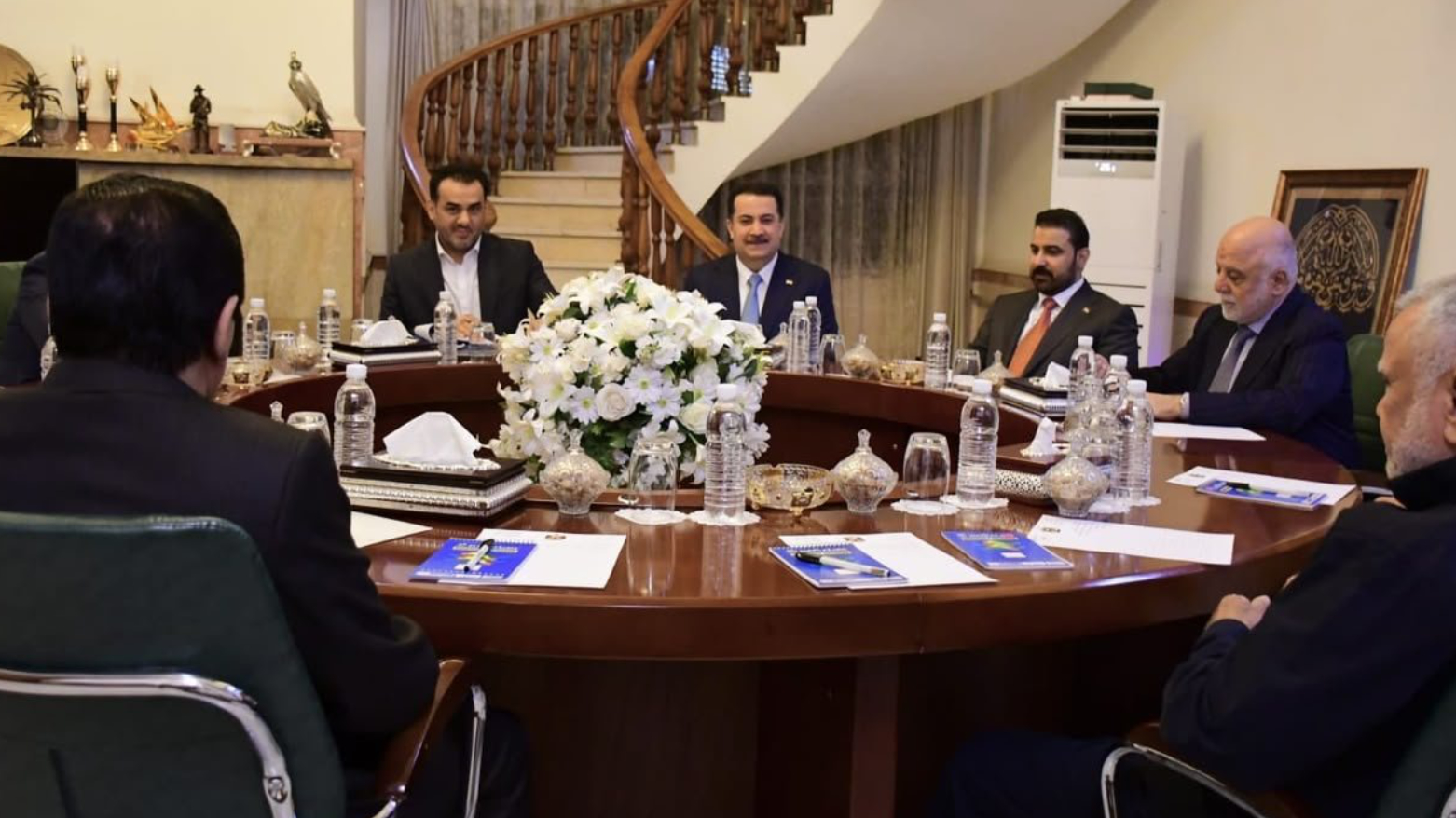
During a recent meeting in Baghdad, leaders from the Coordination Framework emphasized the urgency of passing the PMF Authority Law. By formalizing the PMF’s role within the state’s security apparatus, the bloc aims to integrate this powerful paramilitary group more closely into Iraq’s governance structures. The meeting underscored that finalizing this legislation is a top priority, highlighting the framework’s commitment to reinforcing the PMF’s legitimate authority amid external criticism.
The need for such legislation arises at a time when the United States is increasing pressure on Iraq over the activities of Iran-aligned militias. Washington’s concerns center on ensuring that military power and armaments are regulated under the Iraqi government’s control, aiming to curb potential threats to both local and American interests. The US has repeatedly expressed apprehension about these groups’ autonomy, especially as tensions between the US and Iran continue to escalate.
Historical Context of the PMF
The PMF was formed in 2014 following a religious edict calling for mobilization against ISIS, and it subsequently became an integral component of Iraq’s security forces through legal endorsement in 2016. Despite its official incorporation, many PMF factions retain close ties to Iran and operate with considerable independence. This situation complicates Iraq’s political and security dynamics, as the PMF’s influence extends beyond mere military prowess to encompass substantial political clout.
In the wake of rising regional tensions and the ongoing standoff between the US and Iran, the question of PMF autonomy has emerged as a sensitive political issue. American officials are increasingly worried about these armed groups’ potential to launch attacks against US personnel in Iraq, highlighting the necessity of placing them under the full control of the Iraqi government.
Institutionalizing the PMF
Contrary to perceptions that the legislation could weaken the PMF’s power, the Coordination Framework insists that the proposed laws are intended to strengthen the organization’s role within the state. By institutionalizing the PMF, the framework seeks to ensure its activities are regulated and structured through a legal framework. This approach presents a dual narrative: on one hand, a commitment to uphold Iraq’s sovereignty, and on the other, an acceptance of the PMF as a critical security player in the nation’s landscape.
Aside from the PMF Authority Law, the Coordination Framework is also discussing several other significant legislative priorities, including a long-awaited oil and gas law and reforms concerning the Federal Supreme Court and Federal Council. These laws are viewed as essential for bolstering Iraq’s constitutional and institutional integrity.
Political Modernization and Future Goals
The meeting of the Coordination Framework also delved into current political dynamics, with discussions focused on finalizing government formation and nominating the remaining ministers. This step is crucial for allowing the government to fulfill its responsibilities effectively. The framework acknowledges the necessity for robust organizational regulations to enhance decision-making and fortify a unified political stance among its members.
As Iraq approaches a critical phase in its governance, the integration of the PMF into official structures could play a significant role in shaping the future trajectory of the country’s political and security landscape. Balancing internal pressures with external expectations will be key as Baghdad navigates these complex challenges.