
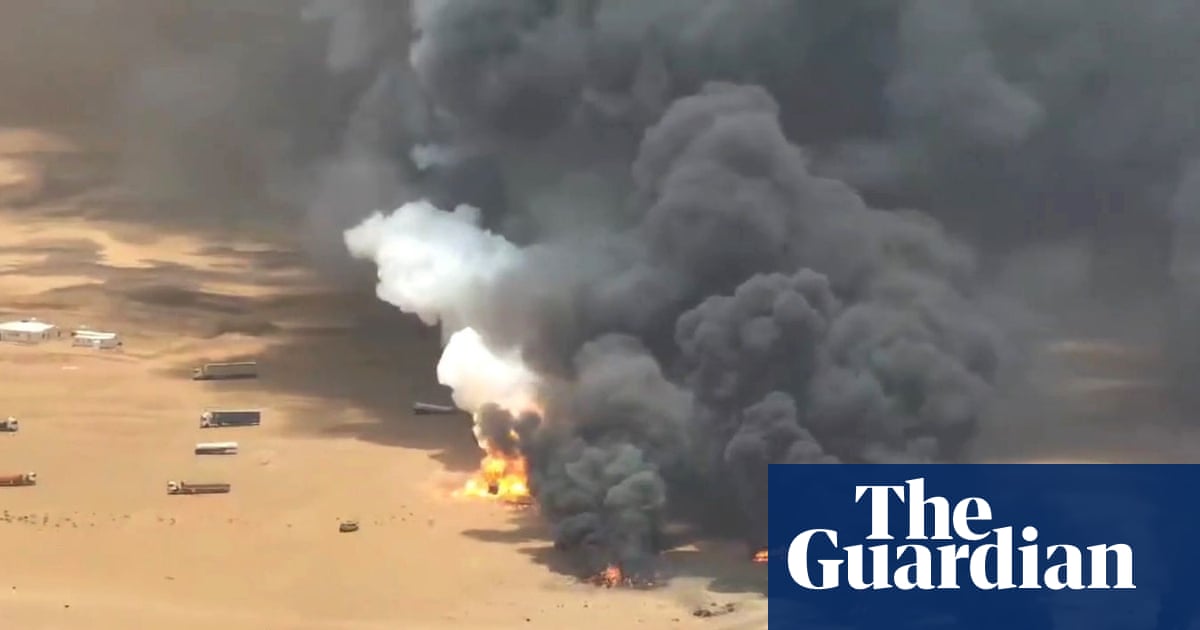
Yemen’s Iran-backed Houthi movement has launched strikes on four Saudi cities, resulting in over 70 injuries and damage to oil facilities. This escalation signals a troubling broadening of hostilities within the Middle East, particularly affecting the ongoing conflict that has persisted for years.
Intensified Attacks and Saudi Response
In a coordinated operation, the Houthis employed numerous drones and missiles, targeting strategic oil installations in southern Saudi Arabia, including an airbase in Khamis Mushait and facilities belonging to the Saudi state oil company, Aramco, in Abha and Najran. Reports indicate that women and children were among those injured, highlighting the civilian impact of these attacks. Saudi officials have vowed to respond decisively, stating they will take all necessary measures to protect the nation’s sovereignty. The Foreign Ministry demands an immediate cessation of Houthi assaults and threats against oil tankers in the Red Sea, emphasizing the critical nature of securing energy supplies in the region.
Maj Gen Turki al-Malki, the spokesperson for the Saudi-led coalition fighting against the Houthis, emphasized that pro-government forces are prepared to implement strong operational measures to counteract the perceived threat posed by the Houthi militia. This mounting conflict between the Houthis and Saudi Arabia escalates against a backdrop of overall tensions, which have been compounded by recent military developments in the region, including attacks linked to Iranian interests.
Impact on Global Oil Prices and Energy Security
The escalation of Houthi attacks is raising alarms about potential disruptions to oil supplies, further complicating an already volatile situation. Global oil prices have spiked, demonstrating sensitivity to geopolitical tensions, as Brent crude recently rose above $99 a barrel. The potential to disrupt not only local but also global energy supplies is concerning, especially given the strategic importance of the region near the Strait of Hormuz, through which a significant portion of the world’s oil transits.
Despite previous periods of relative calm, recent exchanges of fire between Iranian and U.S. forces have reignited fears of instability. The Houthi’s military actions threaten to exacerbate the broader implications of the ongoing U.S.-Israel campaign against Iran, which could further complicate the intricate dynamics of oil trade and energy security in the region. The stakes are particularly high as the Houthi movement continues to assert control over significant areas of Yemen, complicating any peaceful resolution.
Regional Tensions and the Role of Iran
As the Houthis step up operations, tensions in the region grow, particularly as they accuse Saudi Arabia of escalating the conflict through airstrikes in Yemen. This back-and-forth only exacerbates an already fraught situation, where both sides seem unwilling to relent. The Houthis’ statements suggest they are prepared for continued retaliation, further entrenching the cycle of violence.
Simultaneously, the U.S. has intensified measures to deal with Iran, including efforts to guide oil shipments while enforcing a blockade on Iranian exports. Tehran, in turn, has announced plans to create a “maritime exclusion zone” to counter U.S. actions, illustrating the rapidly escalating situation surrounding energy security. Iranian officials have reiterated threats to U.S. interests, creating anxieties about potential open conflict in the Persian Gulf.
Expert assessments, such as those from Andreas Krieg at King’s College London, outline the precarious position Saudi Arabia finds itself in, as restraint may allow the Houthis to dictate the terms of escalation. The complexities of regional alliances and enmities are palpable, with the Houthis’ actions significantly influencing the outcome of not only the Yemen conflict but broader Middle Eastern stability.
As the situation develops, the intricacies of Middle Eastern geopolitics and its implications for global energy markets are poised to remain in the spotlight, underscoring the need for a nuanced understanding of this ongoing conflict.