
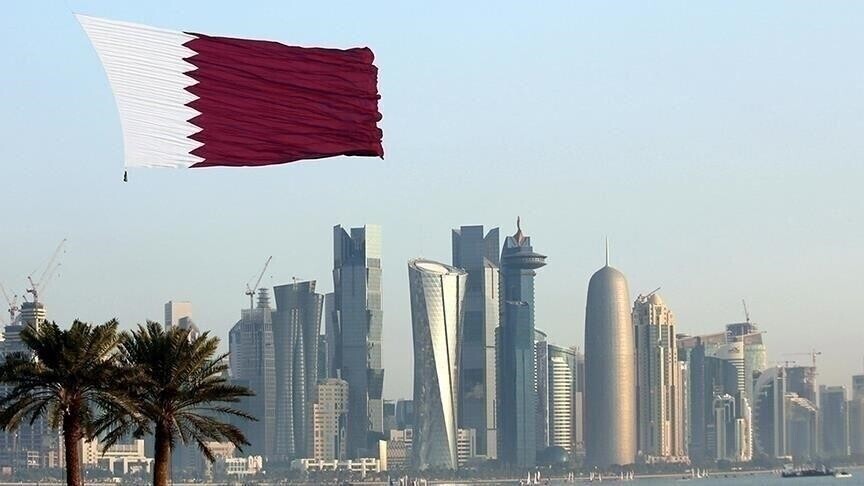
Qatar has expressed its concerns over the ongoing conflict between the United States and Iran, deeming the current situation characterized by a lack of both war and peace as “unacceptable.” The Gulf nation is advocating for a resolution through dialogue and insists on the need to reopen the crucial Strait of Hormuz under unconditional terms.
Call for Dialogue and Resolution
Ibrahim al-Hashimi, the director of the Media and Communications Department at Qatar’s Foreign Ministry, emphasized the region’s pressing need for an end to the prolonged state of uncertainty during a recent press conference. He articulated that the ongoing tensions are draining resources and inflicting damage on regional stability. Al-Hashimi insisted that constructive dialogue is essential to resolving the crisis, framing it as a matter of urgency for all involved parties.
Strait of Hormuz: A Strategic Lifeline
He further highlighted that reopening the Strait of Hormuz—a vital waterway for global energy transport—must be achieved without preconditions. Al-Hashimi underscored that preventing the strait from being utilized as a leverage point in geopolitical tensions is of paramount importance. This waterway serves as a critical conduit for approximately 20% of the world’s oil supply, making its security a significant concern not only for Middle Eastern countries but also for global markets.
Escalating Tensions and Military Conflicts
The backdrop of these declarations is a series of escalating confrontations in the Middle East, marked by military exchanges between the US and Iran. Reports indicate that a conflict initiated on February 28 has resulted in over 3,000 fatalities, with Tehran retaliating through targeted attacks on American assets throughout the region. The situation remains volatile, as diplomatic efforts between Washington and Tehran have faced substantial obstacles, particularly regarding navigation rights in the Strait of Hormuz.
Stalled Agreements and the Road Ahead
In June, both nations signed a memorandum of understanding, facilitated by mediators from Pakistan and Qatar. This agreement aimed to halt military operations and establish a framework for reopening the Strait of Hormuz. However, implementation has been halted, primarily due to disputes over mutual commitments, and the cessation of hostilities was short-lived, deteriorating once again in July.
As regional instability continues to affect global energy markets and international relations, the call for dialogue and collaboration appears more critical than ever. Stakeholders from various nations will need to engage in constructive conversations to address the underlying issues that perpetuate this ongoing crisis. Effective diplomatic interventions could pave the way for a more stable and peaceful Middle East, ultimately benefiting not only the region but global economies as well.