
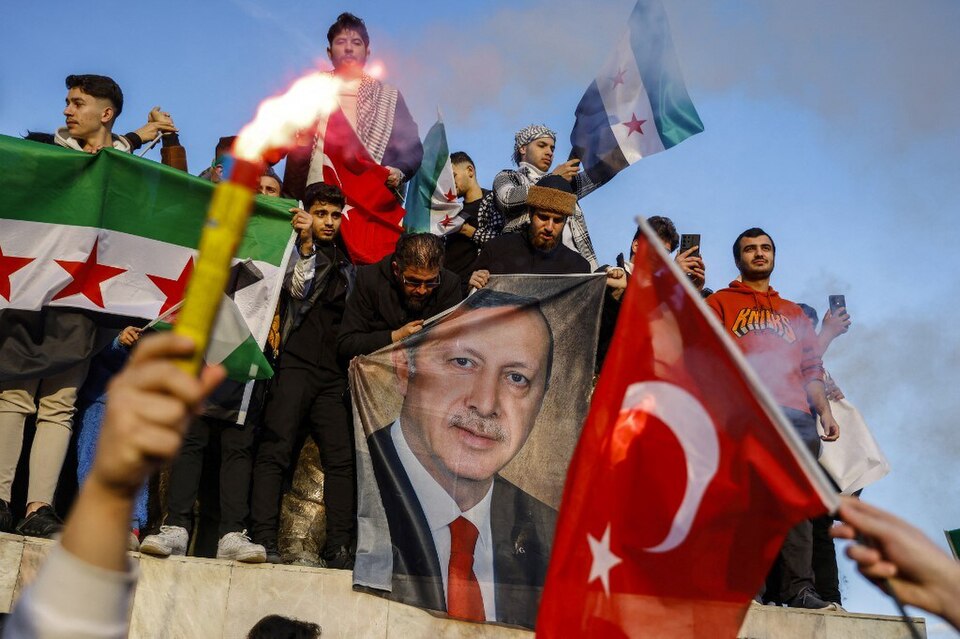
On August 18, Israeli air forces targeted the Abu al-Duhur airbase in Syria’s Idlib province. This military action is part of Israel’s ongoing campaign to secure its interests in a region where it and Turkey find themselves increasingly at odds over the control of Syrian airspace. Both nations seek to dominate this strategic corridor, but for vastly different reasons—growing tensions that could escalate into direct confrontations are a concern for regional stability.
Israel’s Military Strategy in Syria
For Israel, controlling Syrian airspace is crucial for maintaining a strategic advantage over Iran. Following the Assad regime’s collapse in December 2024, Israeli Defense Forces undertook significant operations to clear direct paths to Iran through Syrian territory. The presence of Turkish radar systems and air defenses has raised alarms for Israel, prompting military strikes to safeguard its operational routes. Israel’s objectives encompass not just immediate defense but also long-term deterrence against Iranian influence encroaching from the north. This strategic landscape has only intensified the urgency for Israel to assert its military capabilities within Syrian airspace.
Turkey’s Expanding Influence and Military Presence
Turkey’s involvement in Syria dates back to the onset of the civil war, expanding from subtle support to overt military action. In 2016, Turkey launched Operation Euphrates Shield to secure its borders against perceived threats from various factions within Syria. Ankara’s influence over northern Syria has since solidified, evidenced by its establishment of a proxy force, the Syrian National Army (SNA), which has been instrumental in controlling territory and deterring Kurdish forces. Turkey’s military footprint has evolved into a comprehensive network of bases and personnel, significantly bolstering its role as a key actor in the region.
In pursuit of deeper influence, Turkey has also begun deploying advanced air defense systems in Syria, including radar installations at critical points like Damascus International Airport. These developments could challenge Israel’s freedom of action, as enhanced air defenses would restrict Israeli air operations aimed at preventing Iranian entrenchment in Syria. Turkey’s ambitions thus not only threaten Israel’s operational corridors but also signal a shift towards a more militarized Turkish presence in the region.
The Risk of Conflict and U.S. Involvement
Given the deteriorating relations between Israel and Turkey, the risk of accidental clashes is soaring. Ongoing military actions in close proximity further complicate the situation, spotlighting the necessity for an effective mechanism to prevent confrontations. U.S. involvement is crucial, as the Washington administration seeks to balance its interests in both countries while navigating the complexities of their conflicting agendas. Past U.S. efforts to broker peace have been hampered, raising questions about the efficacy of current strategies.
In light of rising tensions, there is an urgent need for a structured deconfliction system that fosters communication between Turkey and Israel. Without this, the risks associated with miscalculations increase significantly, potentially drawing American forces into another Middle Eastern conflict. Addressing these threats is vital for regional security, as both nations hold significant military capabilities that could lead to broader confrontations if left unchecked.
By taking proactive steps to improve communication and clarify red lines, Washington could lay the groundwork for a more stable geopolitical balance in Syria. Encouraging a cooperative framework among military forces in the region would not only facilitate better relations between Israel and Turkey but also help to mitigate the broader risks associated with their conflicting objectives in Syria.