
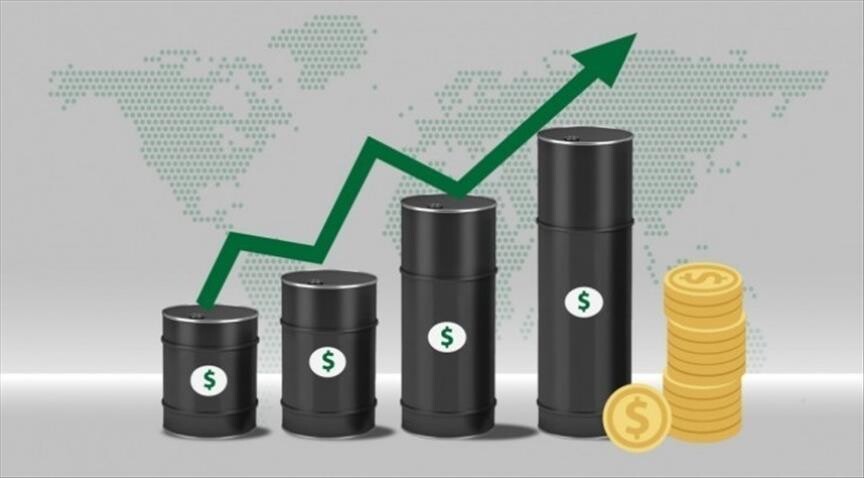
Oil prices have surged over 2% on Tuesday, pushing Brent crude close to the $100 per barrel mark. This rise in prices comes amid escalating tensions between the United States and Iran, which have heightened fears of possible disruptions to oil supplies from the Middle East.
Brent Crude Climbs as Tensions Escalate
As of 2020 GMT, the international benchmark for oil trading crossed the $99 per barrel threshold. The recent uptick in prices is largely attributed to intensified hostilities between the US and Iran, marked by military exchanges over the weekend. These events have raised serious apprehensions regarding oil production and logistics in the region, which are essential for global energy supplies.
Conflict Impacts Saudi Oil Facilities
Recent attacks on Monday have particularly targeted facilities operated by Saudi Aramco, showcasing the growing risks to oil infrastructure. Iran-backed Houthi militants have claimed responsibility for an assault on the Jazan refinery, which processes 400,000 barrels a day, along with other facilities that support Saudi Arabia’s local market demands. This demonstrates the palpable threat to one of the world’s largest oil-producing countries.
US Military Response
In a show of military strength, the United States military responded over the weekend by striking three Iranian oil tankers following Iran’s ballistic missile attacks aimed at two US Navy ships. This exchange highlights the potential for a broader conflict that could significantly impact oil supply routes and raise energy prices in international markets.
New Shipping Corridor and Its Implications
In further developments, Iran announced plans to establish a new shipping corridor with Oman in the Strait of Hormuz, a crucial waterway for global oil transportation. Under this new arrangement, vessels will need to coordinate with Tehran before entering a designated restricted maritime zone around the strait. This could complicate tanker movements and create additional challenges for shipping within this strategic chokepoint.
As the geopolitical landscape shifts, the oil market remains highly reactive. Investors and analysts alike are closely monitoring these developments, as further escalations could lead to sustained increases in oil prices. The situation underscores the fragility of global energy supplies and the intricate connections between international relations and commodity markets.
Overall, the current rise in oil prices serves as a stark reminder of how quickly geopolitical tensions can ripple through global markets, impacting everything from fuel costs to broader economic conditions. The coming weeks will be critical in determining the direction of oil prices as the international community navigates these complex issues.