
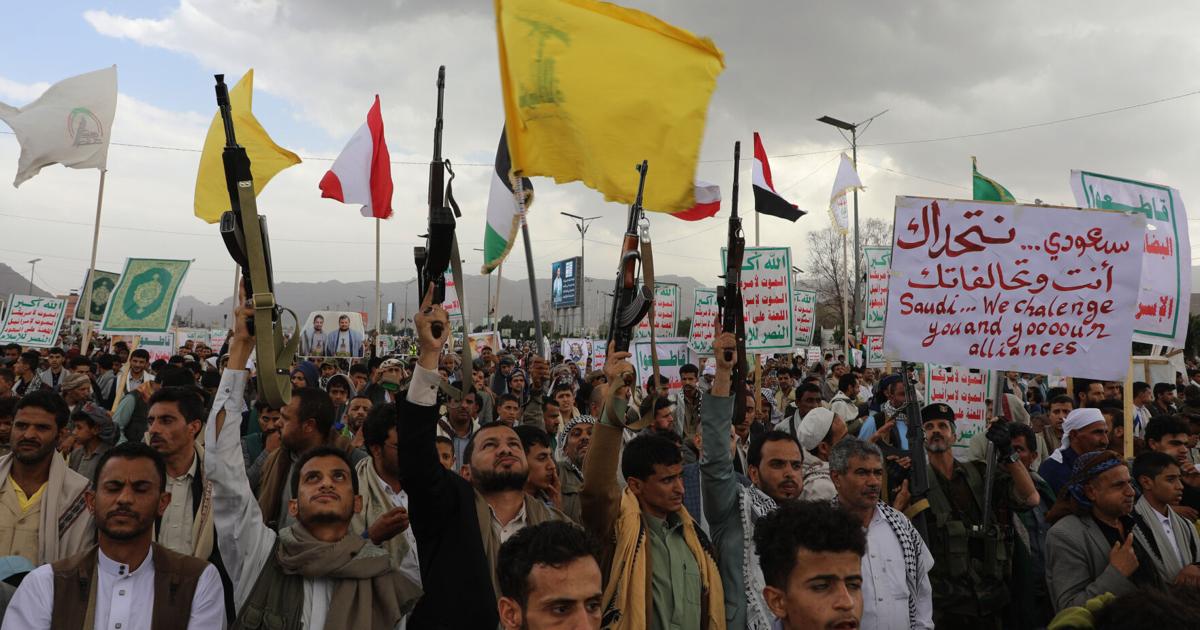
In recent developments, regional authorities have revealed that Yemen’s Houthi rebels played a supportive role in facilitating drone assaults by Iraqi militias targeting Saudi Arabia’s oil infrastructure in July. This information, reported by The Associated Press, underscores the complex and evolving dynamics in Middle Eastern geopolitics.
Involvement of Houthi Rebels
The Houthi group’s involvement raises significant concerns about the interconnected nature of regional conflicts. The Houthis, who have become increasingly adept at launching drone and missile strikes, have not only been active in Yemen but are also impacting neighboring nations. The assistance they provided to Iraqi militia groups illustrates a collaborative effort among various factions, increasing the potential for regional instability. This collaboration may signal a shift in tactical strategies employed by both the Houthis and their partners, indicating a more organized approach to executing cross-border operations.
Responses from the U.S. and Saudi Arabia
In response to these threats, both the United States and Saudi Arabia have ramped up their military readiness. The incidents have prompted heightened vigilance and enhanced security measures in vital energy sectors within Saudi Arabia. The U.S. has already increased its military presence in the region, demonstrating a commitment to protecting strategic interests in the Gulf. This renewed focus on security highlights the importance of safeguarding critical energy supplies, not just for the countries involved, but for global markets reliant on Middle Eastern oil.
Impact on Global Oil Markets
The attacks on Saudi oil facilities threaten to disrupt the already volatile global oil markets. Any significant damage to oil infrastructure can lead to price spikes and increased market uncertainty. Such conditions could ripple through economies dependent on stable energy prices, making it essential for international actors to keep a close watch on the situation. As these geopolitical tensions escalate, oil investors and analysts must remain vigilant about how military actions might impact supply chains and pricing dynamics.
Future Implications of Regional Conflict
The growing entanglement among various militias in the region suggests a potential escalation of conflicts that could involve multiple countries. As Iranian-backed groups like the Houthis collaborate with Iraqi militias, the risk of broader confrontations increases. This scenario not only threatens the immediate security of countries like Saudi Arabia but also poses significant challenges for global peace and stability. Stakeholders must actively engage in diplomatic efforts to mitigate tensions and encourage dialogue, which can play a critical role in ensuring that these conflicts do not spiral beyond control.
As the situation continues to unfold, the international community remains on alert. Understanding the motivations behind actions taken by groups like the Houthis is crucial for developing effective responses. While military action may address immediate threats, long-term solutions will require a combination of diplomatic engagement and strategic planning. Only through such multifaceted approaches can stakeholders hope to mitigate the risks of conflict and foster a more stable Middle East.