
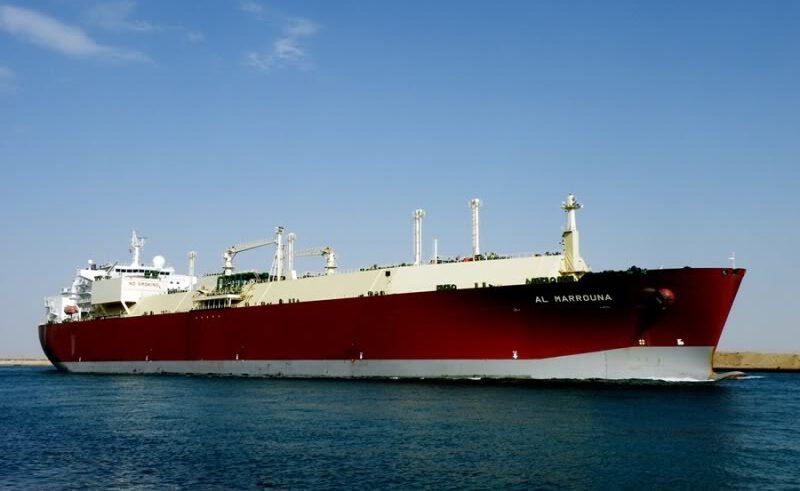
Qatar has recently resumed liquefied natural gas (LNG) shipments through the strategic Strait of Hormuz after a suspension that lasted since July. This decision comes in the wake of an attack on one of its tankers that created significant concern and prompted Qatari authorities to navigate cautiously through this critical waterway. The resumption of LNG shipments is a crucial development for the global energy market, which has been subject to volatility due to geopolitical tensions in the region.
LNG Tanker Resumes Passage
For the first time since mid-summer, the Qatari LNG tanker Al Marrouna has successfully passed through the Strait of Hormuz, heading towards Port Qasim in Pakistan. This significant event, occurring in early September, indicates a shift in operational strategy and a potential easing of tensions for Qatari shipping routes. According to ship-tracking information from Bloomberg, this successful transit may help stabilize the global LNG market, which has been in turmoil due to conflicts and supply chain challenges.
Impact of Geopolitical Conflicts on LNG Supply
Before the recent escalation of U.S.-Iran tensions, Qatar was a dominant player in the global LNG market, responsible for 20% of worldwide exports. However, the conflict has put immense pressure on supply chains. The attack on Qatari tankers in July resulted in a directive from Doha, which temporarily barred its tankers from passing through the Strait of Hormuz. This cautious approach highlighted the region’s volatility and risks associated with shipping LNG, impacting global fuel prices and availability.
With escalating conflicts, fuel prices have surged dramatically, reaching their highest levels in more than three years across European and Asian markets. The ongoing military exchanges between Tehran and Washington indicate that a resolution seems a distant prospect. Meanwhile, Iran has signaled that a potential agreement to ensure the safe transit of vessels through the Strait of Hormuz may be imminent, thereby influencing traders and market sentiments. The dynamics of these negotiations could have significant repercussions for fuel pricing and overall market stability.
Qatar’s Strategic Adaptation
In response to these market challenges, Qatar has extended a force majeure on LNG deliveries to European and Asian customers through October. This move not only keeps prices elevated but also allows Qatar to manage its storage effectively while continuing to load and export LNG to neighboring countries like Kuwait. This careful balancing act ensures that Qatar maintains operational efficiency within its massive export complex, minimizing any adverse impacts from fluctuating market conditions.
The recent passage of the Al Marrouna illustrates Qatar’s resilience and strategic planning in navigating one of the world’s most contested waterways. By reinstating LNG shipments, Qatar seeks to reinforce its position in the global energy landscape, all while handling geopolitical tensions that have the potential to impact supply routes. As players in the oil and gas markets closely monitor these developments, the future trajectories of prices and supply depend not only on military dynamics in the region but also on Qatar’s ability to adapt to ever-changing circumstances.