
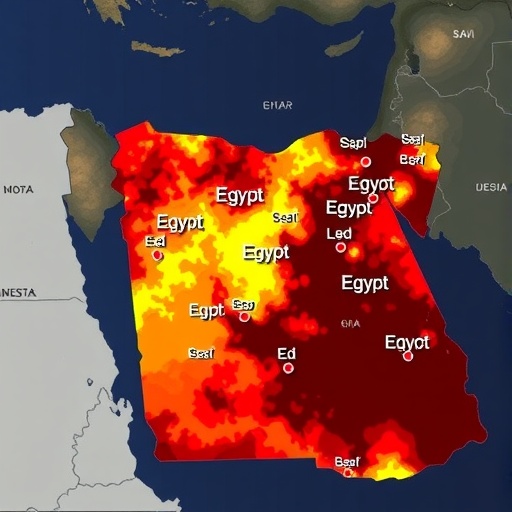
Chicken Infectious Anemia Virus (CIAV) has become a significant threat to poultry health, particularly in Egypt, where evolving strains are raising alarms among researchers and poultry producers. Recent findings from a comprehensive study published in the Virology Journal indicate a shift in the viral landscape in Upper Egypt, where genetically diverse and highly pathogenic strains are gaining prominence. This research underscores the urgent need for updated vaccination strategies to counteract these emerging threats to the poultry industry.
Comprehensive Surveillance in Southern Egypt
Led by Eman Abd Elmenum Shosha from New Valley University, the research team conducted an extensive survey between April 2024 and November 2025, analyzing 80 poultry flocks across ten governorates in Egypt. The survey included various poultry types—from commercial layers to backyard birds—ranging in age from two to 27 weeks. This multidisciplinary effort was crucial since previous studies focused primarily on Northern Egypt, leaving a knowledge gap about the viral dynamics in the southern, densely populated poultry regions.
The scale of infection observed was alarming. Out of 400 tissue samples analyzed, approximately 30% tested positive for CIAV, significantly higher than the 23% prevalence recorded in other provinces. This heightened prevalence suggests that various environmental and management factors in southern Egypt may lead to intensified viral circulation, emphasizing the need for tailored surveillance efforts.
Genetic Variability and Vaccine Mismatch
The research revealed alarming genetic shifts in the strains of CIAV present in Upper Egypt. Full genome sequencing identified that the newly dominant genotype II strains exhibit only 85% to 87% similarity to existing vaccine strains. This genetic mismatch raises concerns about the effectiveness of current vaccines, which are largely based on older genotype I strains. The divergence in CIAV strains not only jeopardizes the immediate health of flocks but also suggests a continuous evolution of virulence factors that could undermine existing vaccination efforts.
Mutation analysis identified numerous amino acid changes in critical regions of the virus. These alterations could potentially affect the virus’s ability to evade the immune response generated by vaccinations, paving the way for increased pathogen resilience and outbreaks in vaccinated populations.
Pathogenicity Assessment and Implications for Poultry Health
An experimental study tested the pathogenicity of an Upper Egyptian CIAV strain on one-day-old specific-pathogen-free chicks. The results demonstrated severe impacts on growth and immune function, including thymic atrophy and noticeable weight loss among infected birds. The affected chicks experienced significant reductions in red blood cells and a complete collapse of immune response—phenomena often associated with severe immunosuppressive conditions like aplastic anemia.
The persistence and high viral loads found in various tissues post-infection confirm the multi-organ tropism of this emerging CIAV strain, further complicating control measures. These findings highlight the critical need for the poultry industry to rethink its vaccination strategies.
The Road Ahead: Necessity for Adaptive Vaccination Strategies
With the potential consequences for the poultry industry laid bare, expert recommendations point towards the development of genotype-matched vaccines that reflect local viral isolates. Ongoing regional surveillance is essential for monitoring CIAV evolution and ensuring effective biosecurity measures. Researchers urge immediate action to address the gaps in poultry health management strategies, arguing that without significant adaptation, existing vaccines may continue to fail against these emergent CIAV strains.
In summary, the research indicates that CIAV poses an escalating threat in Upper Egypt, with evolving strains outpacing existing vaccines. Proactive measures, including localized vaccine development and consistent monitoring, will be vital for protecting the region’s poultry industry from further losses.