
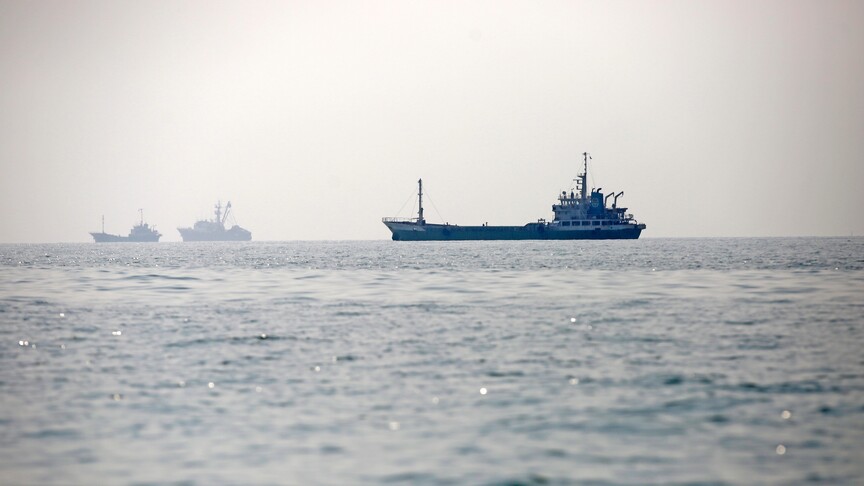
A South Korean government delegation has recently returned from the United Arab Emirates (UAE) after evaluating the security conditions around the Strait of Hormuz. This visit occurs amid growing pressure from the United States for South Korea to consider military deployment in the region, creating a complex diplomatic landscape.
Security Assessment Visit to the UAE
The visiting team, composed of officials from South Korea’s defense and foreign ministries, embarked on this mission to gauge the security and operational landscape surrounding the strategic waterway. Their on-site assessments aimed to provide insights into the potential risks and challenges of military involvement in one of the world’s most important maritime passages.
Local media has speculated about the types of military assets that may be considered for deployment. Among the options circulating are the P-8A maritime patrol aircraft, a logistics support ship, and specialized explosive ordnance disposal teams. It’s noteworthy that these proposed elements are primarily classified as non-combat assets, indicating a focus on support rather than direct combat engagement.
Challenges and Considerations
Despite the discussions surrounding military assets, South Korea has seemingly ruled out the logistics support vessel due to the extensive personnel requirements, which would exceed 100 sailors. This practical consideration reflects the cautious approach the government is taking regarding any military commitment in the region, particularly in light of the geopolitical tensions.
Furthermore, the South Korean team reportedly visited Al Dhafra Air Base in Abu Dhabi, which serves as a crucial US military hub, to assess conditions that would pertain to a potential P-8A deployment. The need for thorough evaluations underscores the government’s strategic priorities amidst rising tensions in the Gulf region.
Diplomatic Repercussions and Future Steps
The heightened diplomatic pressure from the US for South Korea to take action has triggered a notable response from Iran, which has expressed strong objections to military presence in its vicinity. This international backlash highlights the delicate nature of military involvement in the region and the potential repercussions for South Korea’s foreign relations.
In official statements, South Korean representatives, including Seong Ghi-hong, the senior presidential secretary for public relations, have emphasized that the recent evaluation does not necessarily indicate imminent military deployment. The visit was primarily focused on understanding the security dynamics, and the South Korean government remains committed to determining the safest and most effective course of action.
Seong further noted the possibility of providing technological support as an alternative, underlining that South Korea is exploring a variety of options. The discussions around deployment continue to evolve, balancing operational considerations with the need to maintain a responsible diplomatic stance in a highly volatile region.