
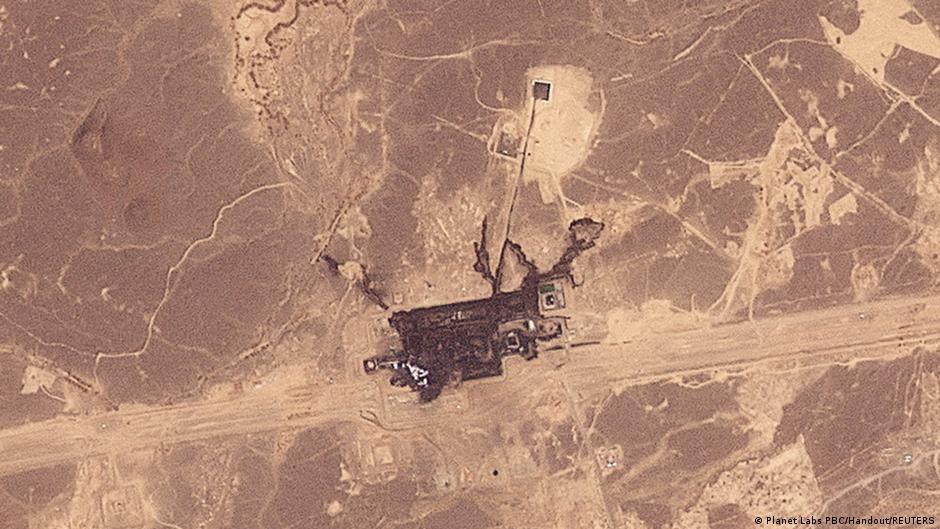
Recent developments in the Middle East have triggered alarms regarding global energy security. Saudi Arabia has halted operations on its crucial East-West oil pipeline following a drone assault that officials claim originated from Iraq. Compounding these tensions, Iran-aligned Houthi militias in Yemen have fortified their presence along the Red Sea coastline near the significant Bab al-Mandab Strait. This region serves as a critical artery for maritime trade, especially for oil exports. As international energy markets brace for potential impacts, analysts are closely examining how these events could influence global oil supply and pricing.
Impact on Global Oil Supply
The closure of the East-West oil pipeline is of significant concern, as it plays a critical role in transferring crude oil from Saudi Arabia to international markets. With the heightened risk of further disruptions, analysts are sounding the alarm about potential shortages. Any prolonged interruption could lead to decreased oil availability, thereby creating upward pressure on oil prices. As economies worldwide strive to recover from recent downturns, this could result in additional strain on energy infrastructures, affecting everything from fuel to food costs.
Regional Tensions and Their Consequences
The emergence of stronger control by Houthi forces along the Red Sea presents a dual challenge. Not only does it threaten maritime navigation through the Bab al-Mandab Strait, it also raises the stakes for an already volatile region. The Bab al-Mandab is a pivotal junction for shipping routes, responsible for a substantial percentage of the world’s oil transit. If these supply lines are disrupted, the implications could reverberate across the global economy, driving energy prices higher, increasing shipping costs, and tightening supply chains.
Expert Insights and Predictions
In light of these developments, energy analysts like Kate Dourian from the Arab Gulf States Institute have emphasized the need for a recalibrated approach to energy security. The potential for Houthi attacks on commercial vessels or oil tankers could escalate the situation further. Similarly, Fawaz Gerges, a professor at the London School of Economics, warns that instability in this region presents a significant risk to not only oil markets but to global stability as a whole. Their insights underline how interconnected global energy systems are and how vital it is to monitor these developments closely.
Future Implications for Energy Markets
As nations grapple with these escalating tensions, it’s crucial to consider long-term strategies for energy diversification and resilience. Countries heavily reliant on oil imports may need to reassess their supply chains to mitigate risks associated with regional instability. This situation also highlights the importance of international dialogue and collaboration in addressing potential flashpoints. Should circumstances worsen, energy prices could experience unprecedented volatility, affecting consumers and businesses alike.
In summary, the closure of Saudi Arabia’s East-West oil pipeline following a drone attack, coupled with the increased control of Houthi forces in Yemen, poses a significant challenge to global energy security. As scrutiny intensifies, the implications of these developments could affect everything from oil prices to shipping costs, requiring sustained attention from both policymakers and energy market stakeholders.