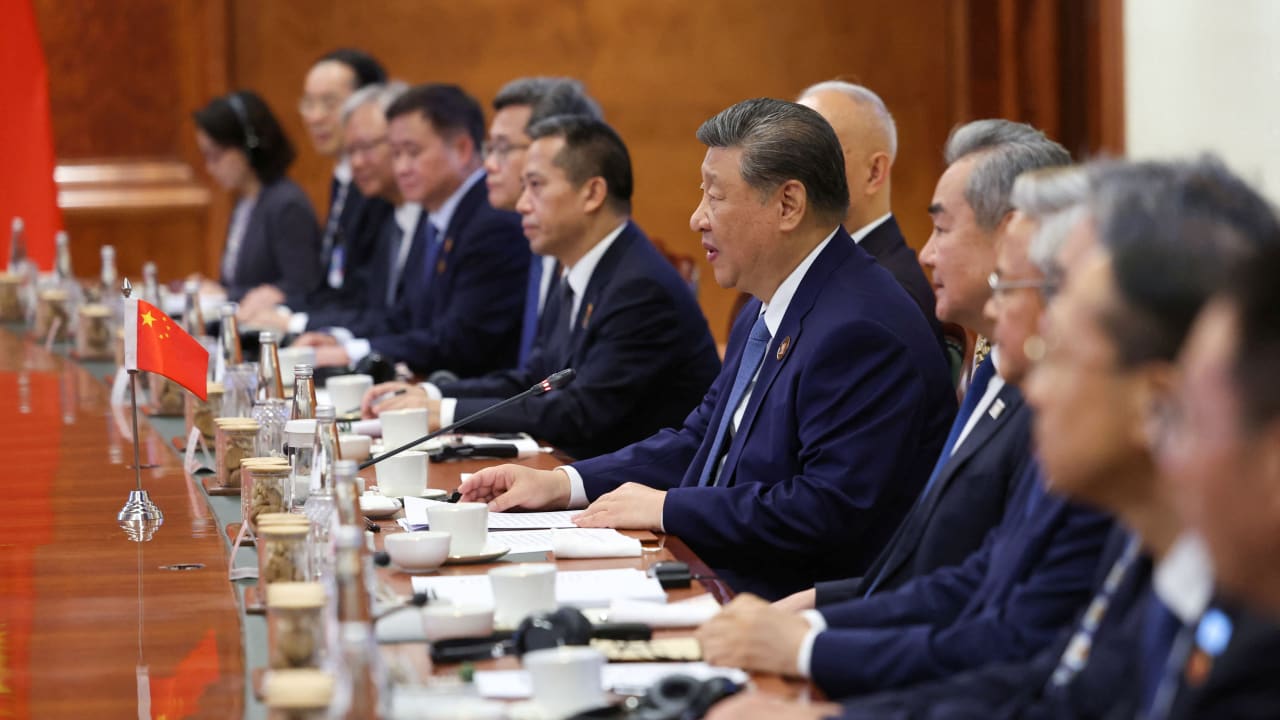
The conflict involving Iran has recently evolved, with important diplomatic discussions taking place in India and Oman. These meetings highlight the proactive stance of Gulf countries, particularly as they face mounting challenges, including pressure from Iranian-supported factions in both Iraq and Yemen. Oman, in particular, is gearing up to facilitate a meeting between Gulf states and Iran, slated for Monday. While this gathering aims to address pressing issues, it appears that Bahrain may not participate, according to reports from Gulf News on September 12.
Significance of the BRICS Meeting in India
The BRICS summit in India is noteworthy as it gathers a coalition of non-Western economies, including Brazil, Russia, India, China, and South Africa. The presence of both Iran and the United Arab Emirates (UAE) adds particular significance to these discussions. During the 18th BRICS Leaders Summit in New Delhi, Sheikh Khaled bin Mohamed bin Zayed Al Nahyan, Crown Prince of Abu Dhabi, and Masoud Pezeshkian, President of Iran, engaged in dialogue on regional and international matters. Their discussions emphasized the importance of promoting stability and de-escalation, reinforcing efforts for peace in the area.
As India assumes the BRICS presidency, it is keen on asserting a leadership role by advocating for resilience, sustainability, and cooperation among member nations. Notably, the UAE’s involvement in BRICS since 2024 reflects its commitment to multilateral cooperation, providing an essential platform for dialogue that focuses on economic growth, trade partnerships, and governance among emerging economies.
Escalating Tensions in the Region
Simultaneously, the situation in the Gulf is becoming increasingly precarious. Recent reports indicate that Saudi Arabia has shut down its East-West Pipeline following attacks that left multiple injuries. Concerns are mounting over the pressures Saudi Arabia faces, especially with Iranian-backed militias in Iraq launching aggressive actions and threats from the Houthis on the rise. The urgency for a resolution appears to be felt not just in Riyadh but also from Washington, which seems to favor de-escalation in the ongoing conflict.
The potential for dialogue is further illustrated by an upcoming meeting in Oman where Gulf states are reportedly eager to engage with Iran. Oman’s established rapport with Tehran may facilitate these discussions. Recent communications among Gulf officials, including exchanges between Kuwaiti and Bahraini foreign ministers, indicate a willingness to explore avenues for cooperation, even as Bahrain has expressed reluctance to attend.
Expectations for the Oman Meeting
Despite expectations, an Iranian official suggested that the Oman meeting is unlikely to result in a formal agreement regarding negotiations on the vital Strait of Hormuz, which has been a focal point of contention in the regional conflict. The situation remains convoluted, with both the Gulf states and Iran facing a complex landscape of alliances and pressures.
Moreover, a connection is emerging between the discussions held in BRICS and the anticipated talks in Oman. The BRICS coalition has expressed significant concern over the escalating tensions in the Middle East, advocating for maximum restraint to prevent further aggravation of the situation. This collective effort reflects a wider trend towards seeking diplomatic avenues for conflict resolution in a region riddled with unrest.
In summary, the developments in India and Oman signify a crucial moment in the ongoing Iran conflict. With Gulf states actively pursuing dialogue with Iran amidst rising tensions, the outcomes of these discussions could have far-reaching consequences for regional stability and international relations.