
Baghdad’s Green Zone: A Tale of Corruption and Political Turmoil
The fortified Green Zone in Baghdad serves not only as a military stronghold but also as a symbol of political corruption and social unrest. Stretching behind five-meter-high armored gates, this area houses key institutions, including the presidential palace, parliament, and the U.S. embassy. Recent developments have pushed the Green Zone into the spotlight, revealing a tangled web of political mismanagement and widespread corruption that permeates Iraqi society.
The Green Zone’s Fortifications and Public Response
The imposing gates of the Green Zone are reinforced with steel and concrete, showcasing the government’s readiness to respond to civil unrest. When protests erupt—whether over electricity shortages, unemployment, or geopolitical tensions—the gates swiftly close, sparking huge traffic disruptions for those without the coveted access badges. This isolation of political leaders symbolizes the divide between the ruling elite and ordinary citizens, who often bear the brunt of governmental inefficiencies.
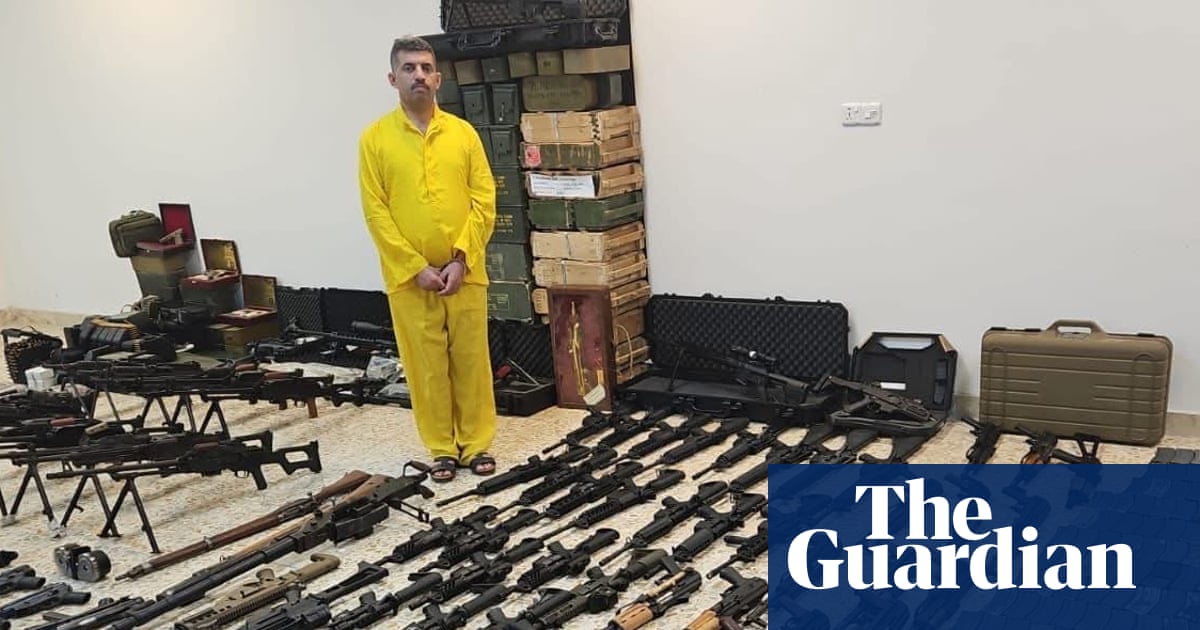
On June 28, a chilling atmosphere descended upon Baghdad as U.S.-made tanks rolled through the streets, and security forces were mobilized to contain an internal threat. Unlike previous instances where the gates were meant to keep protesters out, this time they were employed to restrict movement within. The early morning raids resulted in the detainment of nearly 50 individuals, including high-ranking officials and lawmakers, exposing a network of corruption that has haunted Iraq for years.
Corruption’s Deep Roots and Public Outcry
The arrests were celebrated by many ordinary Iraqis, united in their disdain for the political parties that have held power since 2003. Amidst a backdrop of rising public anger and distrust, those in power face significant pressure to reform their practices. Iraqis from various sects and backgrounds recognize the pervasive rot within their political system, fueled by greed and corruption.
In May, newly appointed Prime Minister Ali al-Zaidi promised to tackle the dual threats of pro-Iranian militias and corruption. He emphasized a zero-tolerance approach, committing to dismantle the financial empires that have taken root over the years. However, skeptics question whether any prime minister can break this cycle: past leaders have made similar vows only to become embroiled in their own corruption scandals.
The Power-Sharing Mechanism and Its Fallout
Al-Zaidi’s rise to power was the result of extensive negotiations among Iraq’s political factions, embracing the *muhasasa* system that divides government responsibilities among sectarian groups. This long-standing arrangement has essentially created a state within a state, where political leaders prioritize personal gain over public service, diverting essential funds meant for societal development.
The political landscape is marred by fierce competition between party bosses and militia leaders, all determined to secure their share of the government’s financial resources. According to industry insiders, multiple factions siphon off money from various contracts, resulting in widespread misuse of state funds that could otherwise enhance public services.
With the recent arrests of officials like Adnan al-Jumaili, a former deputy oil minister embroiled in a massive corruption scandal, the façade is crumbling. Allegations of embezzlement and bribery have tarnished the reputation of numerous parties, raising questions about accountability and the future of Iraqi governance.
A Call for Change Amidst Uncertainty
The ongoing investigations signal an unprecedented moment in Iraqi politics, spurred by pressure from both the U.S. and a frustrated public. The focus is now on recovering misappropriated funds while attempting to sever corrupt ties between political parties and state institutions. However, many remain skeptical about the effectiveness of this latest anti-corruption drive. Will it serve as a genuine turning point, or merely a cover for political maneuvering?
The challenge lies in ensuring that reforms can take place in a climate fraught with geopolitical tensions and internal conflicts. As Iraq strives for normalcy, the need for accountability remains critical. Whether the latest efforts will lead to lasting change in a nation long besieged by corruption is yet to be seen. Nonetheless, a new chapter in Iraq’s history may be on the horizon, challenging the entrenched interests that have stifled progress for too long.