
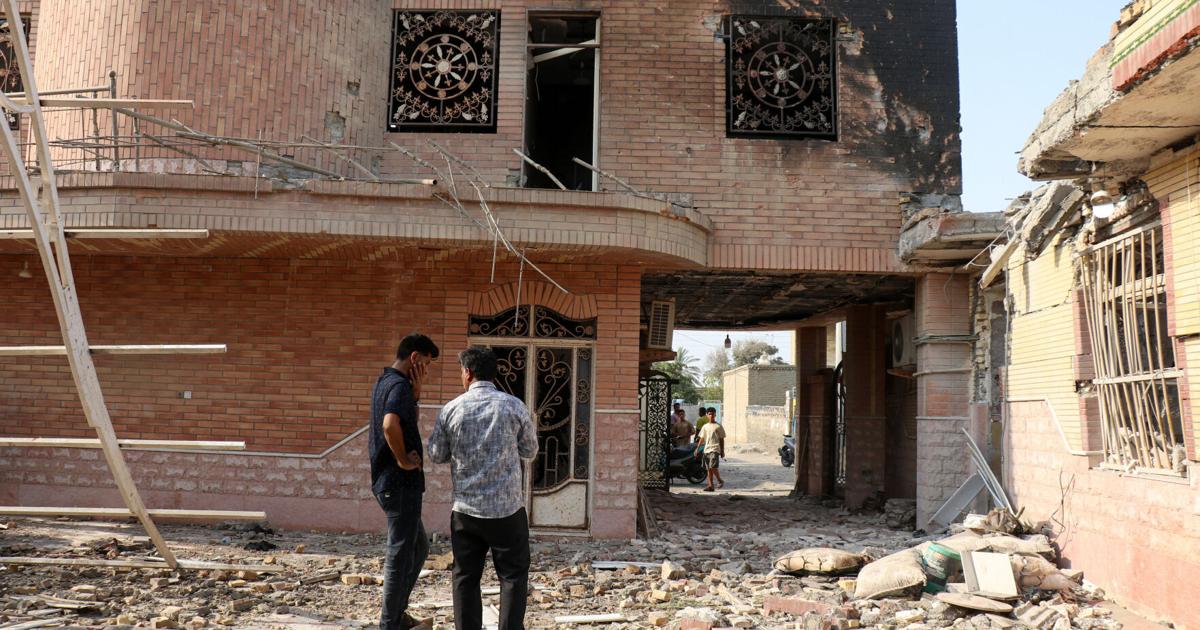
The ongoing tension between the U.S. and Iran has often been framed by the rhetoric from both sides, particularly focusing on hostile chants such as “Death to America.” This particular narrative plays a significant role in shaping public opinion and justifying foreign policy decisions.
The Context Behind the Hostility
Understanding the animosity that fuels this slogan requires delving into the historical context of U.S.-Iran relations. The 1979 Iranian Revolution marked a turning point, as the overthrow of the Shah, who was backed by the U.S., led to a deep-seated resentment towards the American intervention in Iranian affairs. The revolution catalyzed not just internal turmoil, but also set the stage for years of geopolitical tension and conflict. This historical backdrop sheds light on why such phrases resonate with a segment of the Iranian populace.
The Rhetoric of Resistance
In Iran, chanting “Death to America” transcends mere expression of hostility; it serves as a rallying call that unites various factions within the country. This slogan has been wielded not only as a tool of anti-American sentiment but also as a form of identity for many Iranians. It embodies a collective feeling of resistance against perceived imperialism and foreign dominance, reinforcing a narrative that portrays Iran as a defender of sovereignty. Such rhetoric is crucial for domestic cohesion, especially in a landscape marked by economic sanctions and international isolation.
Impact on U.S. Foreign Policy
The slogan is frequently manipulated by U.S. policymakers to justify aggressive foreign policy approaches against Iran. It provides a convenient narrative to paint Iran as a rogue state, thereby legitimizing sanctions and military posturing. This framing aligns well with political agendas that benefit from a continuation of conflict, as it stirs nationalistic sentiments and inflates public fears about national security. When leaders emphasize threats originating from Iran, they not only reinforce the antagonistic stance but also distract the public from domestic issues.
Possibilities for De-escalation
To break the cycle of animosity, both nations must start by recognizing the historical grievances and narratives that fuel mutual distrust. Diplomatic efforts can help to lay a foundation for dialogue, offering a potential avenue to mitigate conflicts. In doing so, it is essential to address not only the present challenges but also to confront the historical injustices that have shaped perceptions on both sides. The goal is to create an environment where constructive negotiations can replace the divisive rhetoric that has long defined U.S.-Iran relations.
In conclusion, the phrase “Death to America” encapsulates a more profound narrative of resentment and resistance shaped over decades. It fuels the ongoing strife between the U.S. and Iran, impacting not just public opinions, but also the intricacies of foreign policy. Acknowledging this context is vital for any meaningful pursuit of peace and understanding between the two nations.