
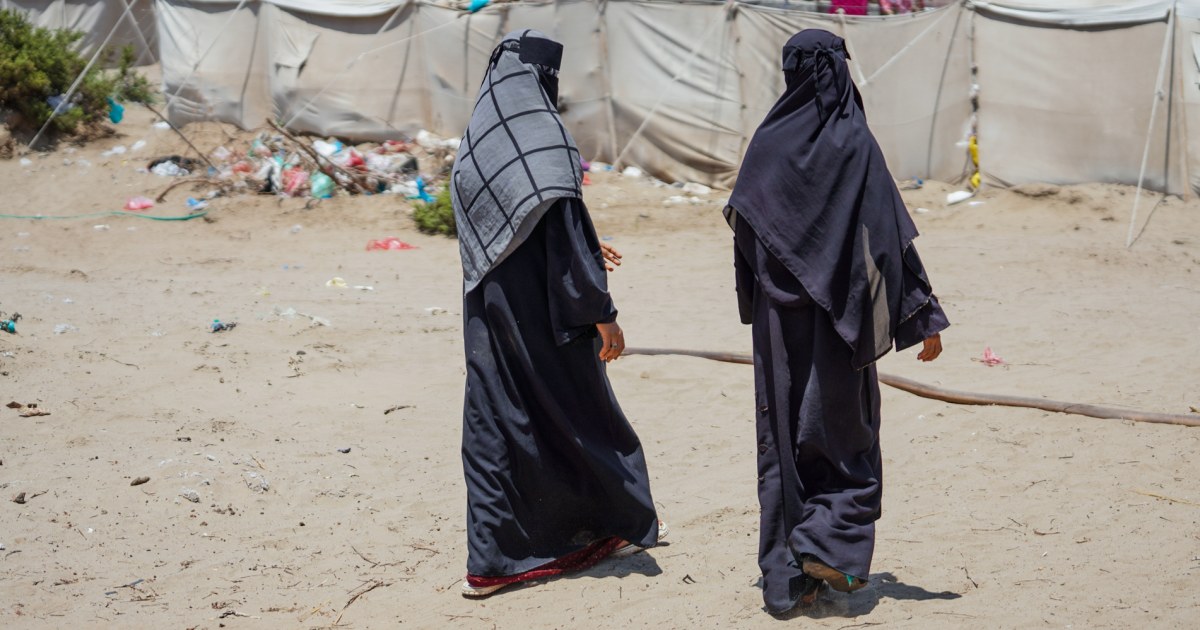
This week, the situation in Yemen took a dire turn as Houthi rebels, with Iranian backing, embarked on an aggressive campaign along the Red Sea coastline. Many civilians found themselves in a frantic escape, leaving behind their homes and livelihoods as they rushed to safety amidst the chaos.
Desperate Escapes Amidst Turmoil
The urgency of the fleeing families was palpable, as one resident, Alaa Ali Salem, described the pandemonium of their escape: “We set out in hysterical panic on a motorcycle, not knowing where we were heading.” Tragically, Salem’s family suffered injuries when their motorcycle overturned in the midst of congested roads. This harrowing experience reflects the plight of countless families forced into displacement as Yemen reportedly faces a resurgence of its devastating civil war.
The number of displaced individuals is escalating rapidly, with many ending up in Aden, a city currently held by Yemen’s internationally recognized government. The Associated Press recently documented visits to shelters accommodating the newly displaced, where families shared overcrowded spaces filled with thin mattresses and paltry belongings hastily collected during their flight. The scene was heart-wrenching, marked by weary elders napping amid sweltering temperatures, while children clung to what little they had, desperately trying to find normalcy amidst the chaos.
The Looming Humanitarian Crisis
The ongoing conflict has raised alarms about a potential humanitarian catastrophe in Yemen. With the Houthis advancing towards the Bab el-Mandeb Strait, a crucial maritime route, the region is on edge. This strategic waterway is vital not only for Yemen but also for global shipping dynamics, representing an alternative route to the Strait of Hormuz, which has faced its own challenges from Iranian attacks in recent months.
The situation has escalated tremendously; the United Nations has indicated that there is a significant risk of a return to the kind of widespread devastation seen before the temporary ceasefire in 2022. The Houthi advances have reintroduced fears of mass casualties and a humanitarian disaster, similar to the conflict’s earlier phases, which led to approximately 150,000 deaths and widespread starvation.
The Regional Implications of the Conflict
As the conflict intensifies, regional stakeholders are feeling the repercussions. While Iranian officials summarize their involvement by stating they are not in direct conflict with Saudi Arabia, the coordinated attacks on Saudi oil facilities pose broader concerns for international markets. Doubts surrounding the security of oil shipping routes are mounting, with Iran signaling intentions to place further controls over maritime traffic in the region.
In the face of these tensions, the humanitarian toll continues to rise. The International Organization for Migration has revised displacement figures, now indicating that at least 76,000 people have fled as fighting escalated recently. Families like that of Durrah Ali Hassan share painful stories of fleeing chaos, with Hassan expressing her fears for her daughter, currently hospitalized and in critical condition as a result of the conflict’s toll.
The period directly ahead could see dramatic shifts as global shipping routes remain precarious, alongside heightened regional fights. As leaders signalled the possibility of dialogues focused on managing maritime security, the stakes could not be higher. The fate of countless families hangs in the balance, and the quest for safety continues as Yemen battles the specter of renewed war and humanitarian crisis.