
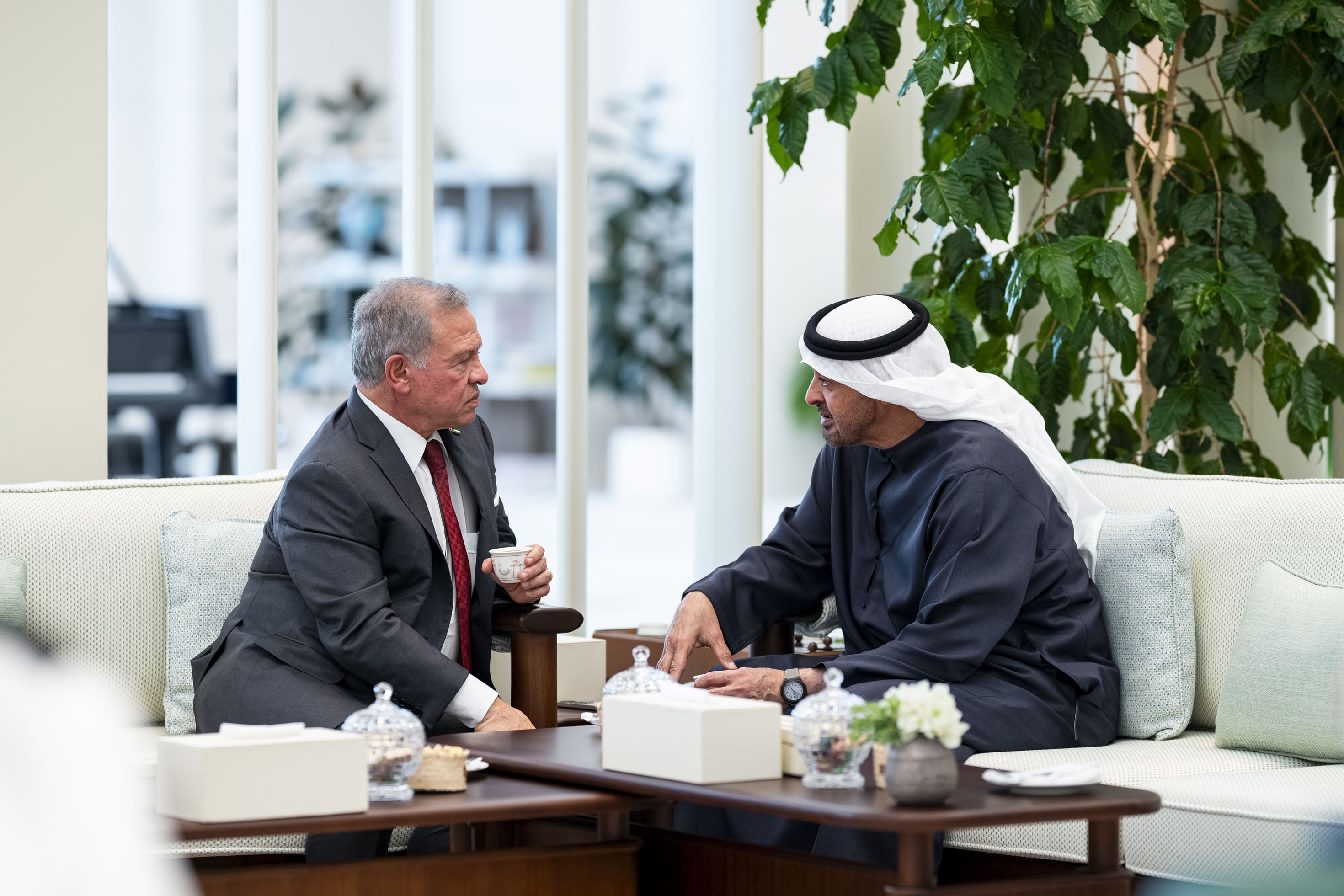
Jordan’s King Abdullah II has recently expressed deep concerns regarding the potential annexation of the West Bank by Israel during discussions with the President of the United Arab Emirates (UAE). This issue has sparked a significant amount of dialogue in the region, touching on historical tensions and the quest for peace.
The Implications of Israeli Annexation
The prospect of Israel annexing portions of the West Bank represents a pivotal moment in Middle Eastern geopolitics. Should this happen, it could severely disrupt the delicate balance of power in the region, making the already contentious relations between Israelis and Palestinians even more precarious. The annexation would not only undermine the possibility of a two-state solution—which many international stakeholders view as the most viable path to peace—but could also ignite further violence in an area long marred by conflict.
King Abdullah’s warnings reflect a broader concern shared by various Arab states. The historical context is profound; the West Bank has been a focal point of contention between Israel and Palestine for decades. Any unilateral actions from Israel could be perceived as a disregard for previous agreements, potentially inciting anger among Palestinian factions and their supporters. The king’s dialogue with the UAE president underscores the importance of a unified Arab stance on this issue, emphasizing a collective call for peace and stability.
Regional Reactions and Stabilizing Efforts
As news of King Abdullah’s discussions have emerged, several neighboring countries have voiced their apprehensions regarding the potential annexation. The UAE, which recently normalized its relations with Israel, faces a complex situation. While it strives to maintain diplomatic ties, the threat of Israeli expansion could challenge its domestic goals and public sentiment. There is a delicate balance between fostering economic and political collaboration with Israel and ensuring that Palestinian aspirations are not sidelined in the process.
Moreover, the situation is further complicated by international reactions. Global powers, particularly those involved in mediating peace in the region, are closely monitoring the developments. Many have urged Israel to reconsider any plans for annexation, advocating for dialogue and negotiation as the keys to achieving long-term peace. The Arab League and other regional organizations are also expected to take a firm stance against unilateral actions, which could adversely affect the fragile equilibrium in the region.
The Path Forward: Negotiation and Diplomacy
King Abdullah’s engagement with the UAE president serves as a critical reminder of the importance of dialogue in international relations. While tensions are high, the continued advocacy for negotiations presents an opportunity for statecraft that emphasizes mutual respect and understanding among nations. Both leaders recognize that the pursuit of peace necessitates not only addressing immediate conflicts but also fostering an environment conducive to long-term stability.
Looking ahead, the emphasis on diplomatic channels cannot be overstated. The international community, alongside regional players, must advocate for a return to negotiations aimed at addressing core issues, including borders, security, and the rights of displaced populations. The future of the Middle East hinges on a collaborative approach that transcends partisan divides and prioritizes the welfare of all involved.
In conclusion, King Abdullah’s warnings about potential annexation by Israel serve as a clarion call for unity among Arab nations. The implications of such actions could ripple throughout the region, prompting a reassessment of existing relations and strategies. It is essential that both regional and global powers rally behind diplomatic efforts aimed at fostering peace, ensuring that the historical grievances of Palestinians are addressed, and ultimately paving the way for a more stable and prosperous Middle East.