
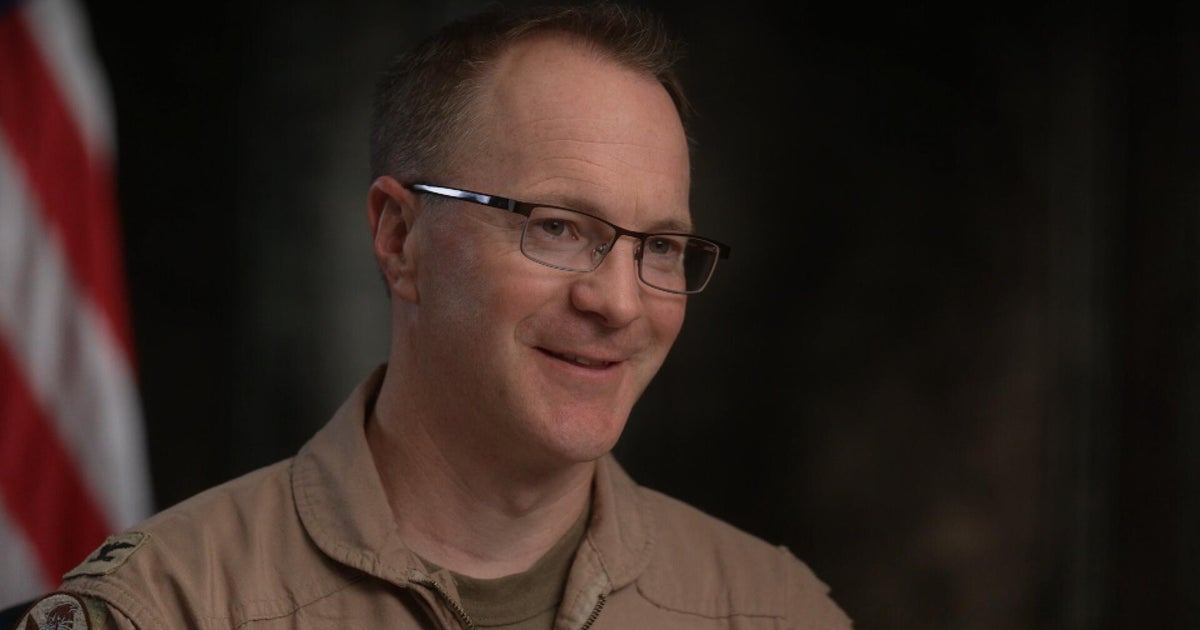
On April 14, amidst a contentious and costly war, an American F-15E jet, known by its call sign Dude 44, was shot down over Iranian territory. This incident left the pilot and the weapons systems officer, referred to as Alpha and Bravo for security, stranded in hostile territory. What followed was a remarkable and complex rescue operation by U.S. military forces, aiming to recover the two aviators who had been tossed into a treacherous landscape, miles apart, with Iranian forces actively searching for them.
Impact of the Attack on the Crew
In a revealing interview, Bravo recounted the terrifying moment their aircraft was struck by a shoulder-fired missile. Describing the impact as feeling like a “freight train,” he expressed gratitude towards Alpha for his quick actions that ultimately saved their lives. “We knew we had to eject,” Bravo explained. “Within seconds, we were over Iran, facing extreme danger.” He elaborated that the crew ejected far enough apart to avoid colliding upon landing, a necessary tactic for their safety.
Bravo emphasized the crucial role of the aircraft maintenance teams and the quality of the survival gear they had on board. Despite being significantly damaged by the missile strike, the equipment exceeded expectations, showcasing the professionalism of those who prepared their aircraft. “The ejection seat and survival gear performed beyond their design specifications,” he noted, acknowledging the invaluable support from his fellow airmen.
Perilous Journey After Ejection
Surviving the ejection was just the beginning for Bravo. As he descended, he faced an additional crisis when his parachute sustained damage. “Seeing no parachute above me was incredibly terrifying,” he admitted. During that free fall, which he estimated reached speeds between 70 and 100 miles per hour, Bravo quickly focused on managing the parachute malfunction to soften his landing. Despite sustaining serious injuries, including a broken back and arm, he regarded his survival as miraculous, attributing it to divine intervention.
Once on the ground, the situation intensified. Bravo was now evading Iranian forces that were actively hunting him down. Incredibly, they got within a few hundred meters of his position, underscoring the urgency of his situation. Prioritizing his survival over establishing communication, he ascended a 7,000-foot ridgeline to evade capture. “Never let a lack of motivation put you on Iranian TV,” he quipped, exhibiting a blend of humor and the resilient warrior ethos that carried him through.
Rescue Operations and Final Hurdles
After nearly 48 hours of survival and evasion, Bravo felt immense relief when U.S. forces found him. “It was one of the greatest moments of my life,” he recalled, expressing profound appreciation for the rescue team. Although he kept the specifics of their conversation private, his determined plea of “Let’s go!” highlighted the urgency of their escape.
However, the journey back was not without challenges. Upon reaching a makeshift airstrip, the rescue aircraft became lodged in desert sand. A specialized U.S. Air Force unit quickly leapt into action to ensure their safe evacuation, culminating in a successful extraction. The U.S. military even bombed the stranded aircraft to prevent it from being captured. Throughout the ordeal, Bravo maintained unwavering faith in the military’s efforts, stating, “It’s what we do,” a sentiment that echoes the commitment of service members to support one another in the face of danger.
The story of Bravo and Alpha’s rescue from behind enemy lines highlights the bravery, quick thinking, and determination inherent in military operations, showcasing the exceptional training and spirit that defines the U.S. Armed Forces.