
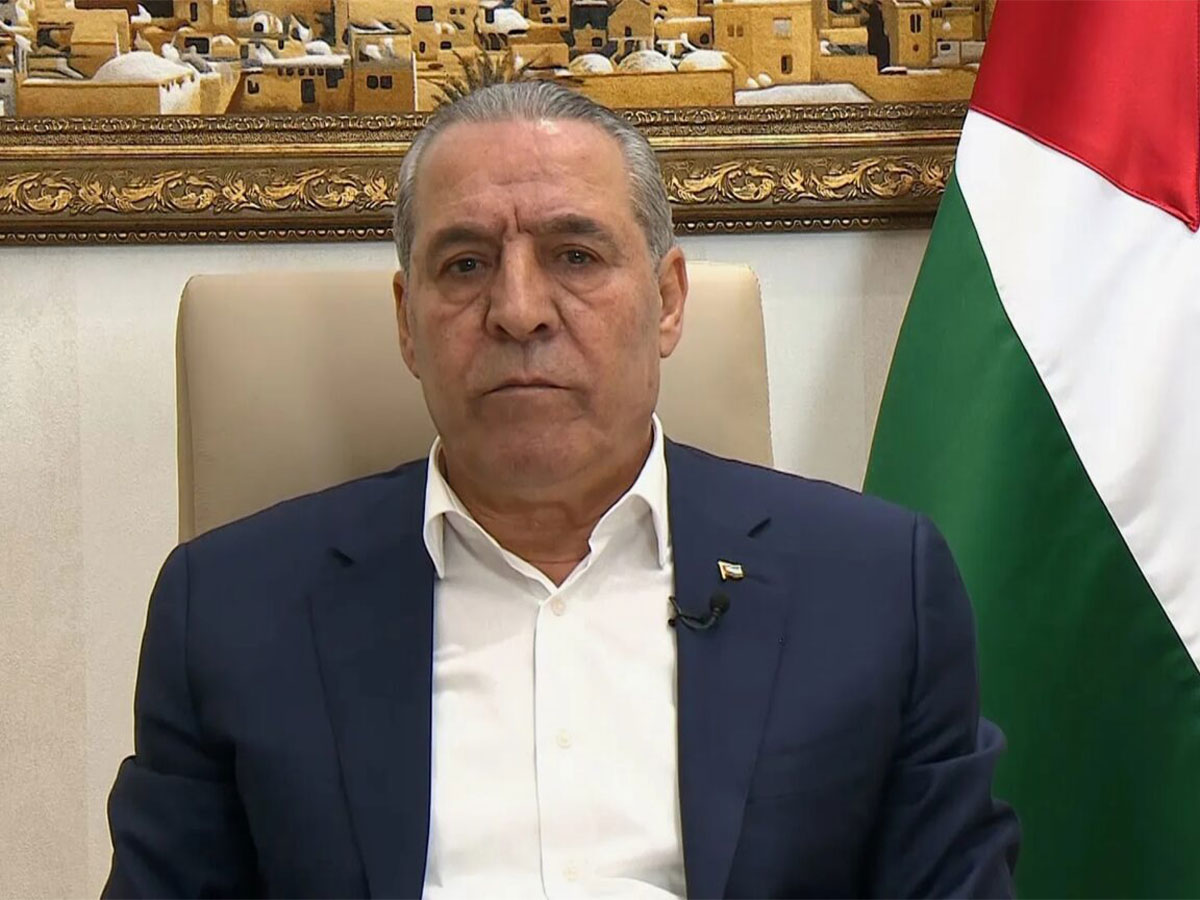
The ongoing developments in the Middle East continue to attract significant diplomatic attention. Recently, Palestinian Vice President Hussein Al Sheikh engaged in a crucial discussion with Moroccan Foreign Minister Nasser Bourita. This conversation aimed to assess current regional dynamics and address the evolving situation in Palestine.
Key Discussions Between Palestinian and Moroccan Leaders
During their phone conversation, Al Sheikh and Bourita explored various matters impacting the region. They emphasized the necessity of a united Arab and Islamic stance in tackling the challenges that the Middle East faces today. This cooperation is vital in ensuring that the voices of the Palestinian people are heard and considered within an ever-changing political landscape.
The dialogue highlighted the importance of mutual support among Arab nations, particularly in light of the ongoing issues that affect Palestine. The meeting serves as a reminder of the significance of collaborative diplomatic efforts to maintain stability in the region and to promote peace and security.
The Role of Arab Coordination
In their discussions, the Palestinian Vice President and the Moroccan Foreign Minister reiterated that coordinated efforts among Arab nations are essential. The complex challenges posed by economic difficulties, security threats, and humanitarian concerns require a collective response. By aligning their strategies, Arab nations can create a more robust front for addressing regional and global pressures.
Furthermore, effective communication and collaboration between Arab states can lead to more substantial diplomatic initiatives aimed at resolving long-standing conflicts. By working together, countries in the Arab world can foster an environment conducive to lasting peace, particularly for the Palestinian cause.
International Implications of Regional Unity
The implications of a united Arab position extend beyond just regional concerns. Internationally, a coordinated Arab response can influence global powers to take more sympathetic and proactive stances regarding the Palestinian situation. As the world continues to grapple with geopolitical tensions, solidified ties among Arab nations could transform their engagement with larger international bodies.
Strategically, when Arabian states present a united front, they increase their leverage in discussions regarding humanitarian aid, security cooperation, and conflict resolution. This empowerment on the global stage is essential for ensuring that the narrative surrounding Palestine is not overlooked or marginalized.
In summary, the recent dialogue between Palestinian and Moroccan leaders underscores the importance of solidarity among Arab nations. By coordinating their responses to the challenges faced in the region, they can effectively advocate for the rights and needs of the Palestinian people. As we witness these developments unfold, it becomes clear that collaborative efforts could have far-reaching effects both regionally and internationally.