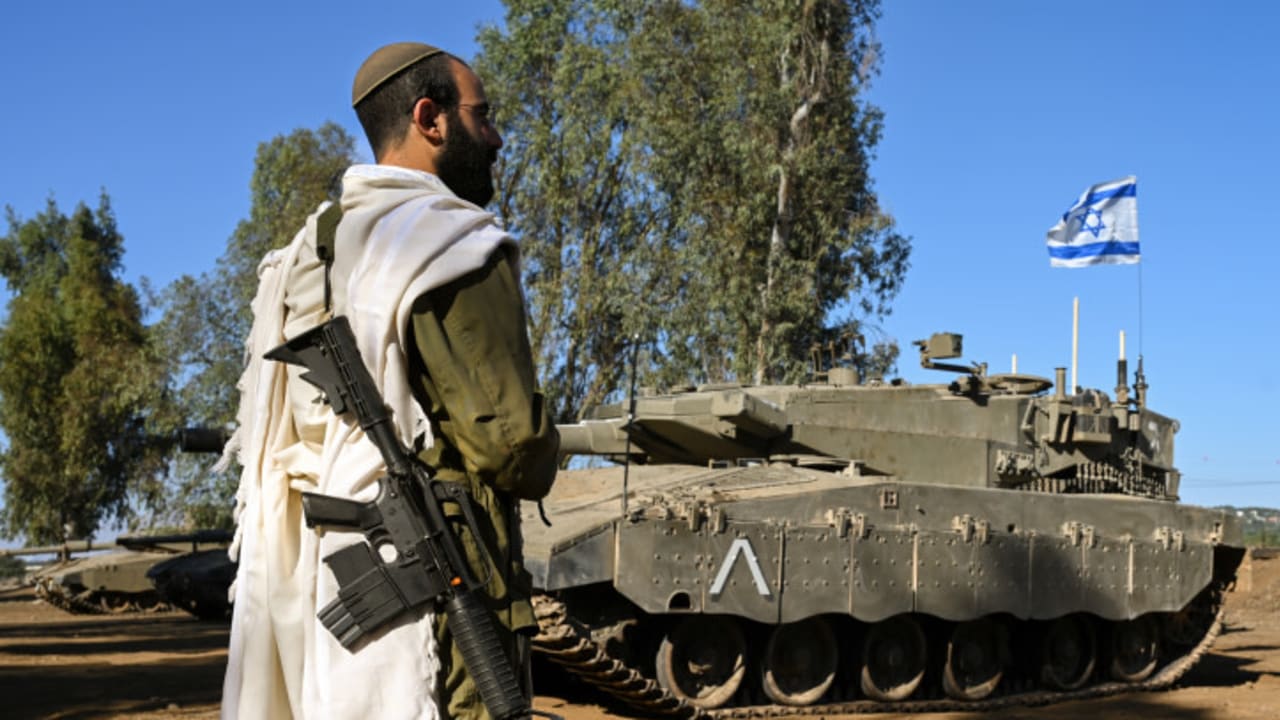
In recent weeks, mainstream media outlets such as BBC, CNN, and The New York Times have continuously highlighted Israel’s military actions in Gaza, Lebanon, and the West Bank. Many of these reports depict Israel as a nation engaging in hostile and unjustified acts against its neighbors.
Coverage of Settler Violence and Civilian Concerns
A recent BBC article titled “Palestinian parents fear for children’s lives at school as settler attacks grow” underscores the escalating tensions due to violent actions by Israeli settlers. Additionally, The New York Times featured an opinion column asserting that Israel’s broader policies contribute to the violence rather than merely being an issue of individual settlers. CNN followed suit, emphasizing the destruction of homes and lives in Lebanon, particularly in areas close to Israel’s border. Such narratives contribute to a pervasive perception of Israel as an aggressor, overshadowing the security threats it faces from neighboring territories.
The Context of Israel’s Actions
The narrative surrounding Israel’s military actions often fails to consider the context of self-defense. Israel has long maintained that its military responses are not acts of unprovoked aggression but necessary actions taken in response to threats. For over half a century, history shows that Israel reacts only when attacked or threatened. This is particularly evident in its interactions with Jordan, where no hostilities have occurred from Israeli-controlled areas for decades.
Throughout its history, especially during the conflicts with Jordan in the 1970s, Israel aimed to neutralize terrorist threats originating from that territory. The systematic destruction of Jordan’s infrastructural capacities during these times was an effort to compel the Jordanian government to act against terrorist groups targeting Israel. This approach holds true as long as hostilities persist; Israel will likely continue to respond aggressively to perceived threats.
Lessons from the Israeli-Jordanian Border
The Israeli-Jordanian border stands as a testament to Israel’s policy of restrained military engagement. Since the peace treaty signed in 1994, both nations have benefited from improved relations, with Israel refraining from military action as Jordan has controlled its territory effectively. This shows that lasting peace is achievable when a neighboring state’s territory is not used as a launchpad for terrorism.
In contrast, the situations in Gaza and Lebanon differ significantly. Despite Israel’s withdrawal from Lebanon in 2000, Hezbollah has established a formidable military presence along the border, complicating the security landscape. Despite international criticism of Israel’s military actions, inhabitants of these regions often maintain support for groups like Hezbollah, which undermine their own stability.
The Path Toward Peace and Stability
The stories of destruction in areas like Gaza and Lebanon elicit sympathy and outrage. Still, it is crucial to recognize that Israel’s military responses arise from a need to protect its citizens against aggressive and organized threats. Unlike the proactive measures taken by Israel in response to attacks from groups like Hamas, regional players must reassess their policies toward terrorism if lasting peace is to be achievable.
In summary, while international narratives often paint Israel as the villain, deeper examination reveals a country focused on defensive measures necessary for its survival. Israel’s commitment to peace and technology—like innovations in irrigation and water desalination—is overshadowed by ongoing conflicts. Ultimately, acknowledging the complexity of these geopolitical realities is essential for a balanced understanding of the Israeli-Palestinian conflict.