
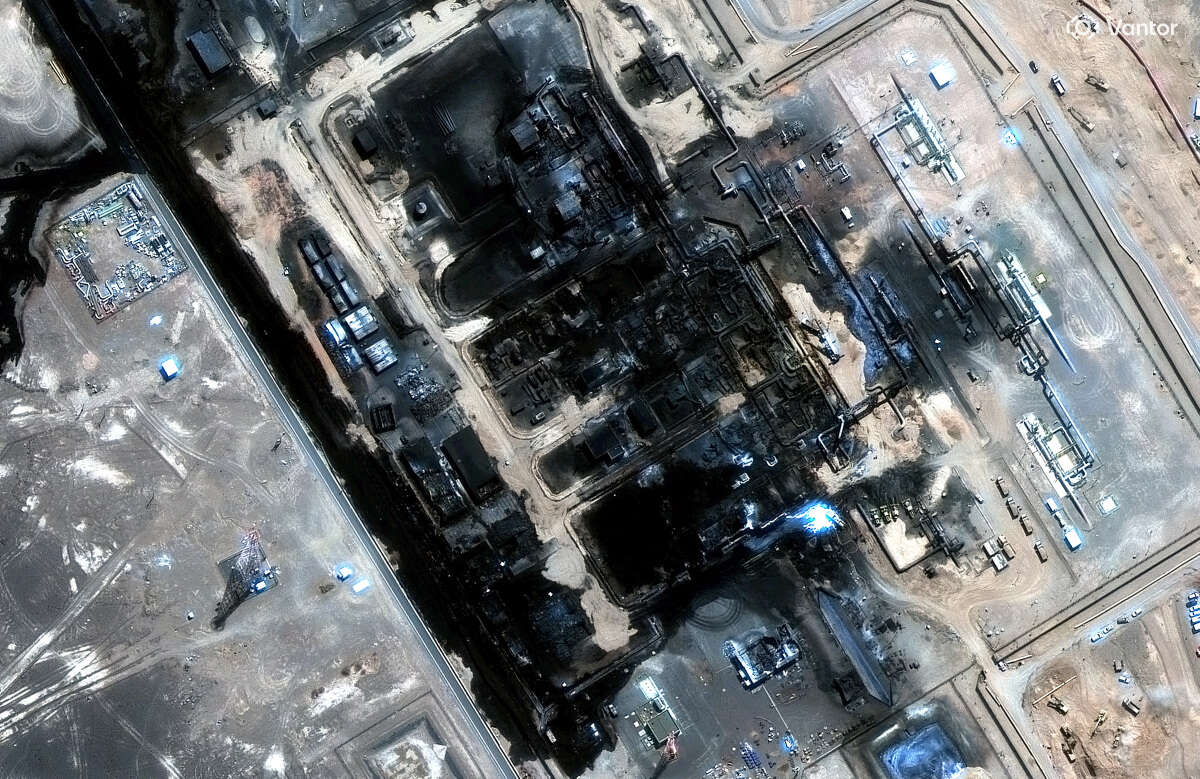
A recent crisis involving drone attacks has raised alarms in the global oil market, particularly concerning a pivotal Red Sea pipeline that supplies crude oil. Analysts warn that if immediate action is not taken, up to 4% of the world’s crude supply could be at risk, threatening to destabilize oil prices and supply chains dramatically.
The Impact of Drone Attacks on Oil Supply
The drone strikes have severely compromised a crucial pipeline in Saudi Arabia, crucial for transporting oil to international markets. The consequences of such attacks are substantial; disruptions in this pipeline could lead to rapid depletion of Saudi reserves. This situation is not just a regional issue; it possesses the potential to create shocks throughout the global oil market. Traders are monitoring developments closely as the stakes continue to rise.
Experts suggest that without swift repairs to the damaged infrastructure, the global oil supply chain could face significant constraints. The loss of production capacity could lead to skyrocketing prices, adversely affecting consumers and industries worldwide. In this environment of market uncertainty, even slight changes in supply can trigger drastic shifts in pricing, reinforcing the importance of stabilizing the region.
Saudi Arabia’s Urgent Response
Given the mounting pressure on its oil reserves, Saudi Arabia is at a critical juncture. The kingdom is not only tasked with restoring the damaged pipeline infrastructure but must also ensure that its energy output remains stable to avoid heightening fears within the market. A swift response is crucial; the kingdom’s influence on global oil prices is considerable, and a failure to act quickly could exacerbate the situation.
Saudi Arabia’s government and energy officials are expected to take immediate action, assessing the extent of the damage while strategizing on effective repairs. Maintaining investor confidence is essential, as prolonged disruptions could lead to long-term market volatility. The stakes are high, requiring coordination among various governmental and private sectors to ensure both quick repairs and the safeguarding of future exports.
The Broader Economic Implications
The repercussions from this incident extend beyond just the immediate oil market. The potential loss of crude supply could have a ripple effect, influencing various sectors dependent on consistent oil availability. From transportation to manufacturing, industry players are likely bracing for increased operational costs, which could translate into higher prices for consumers.
Moreover, these developments could stir geopolitical tensions in the Middle East. Saudi Arabia plays a vital role in stabilizing the region’s energy markets, and disruptions may lead to more complex political and economic ramifications. Global leaders and organizations must remain alert to the potential spillover effects, as oil dependency continues to be a cornerstone of many economies worldwide.
In summary, the drone attacks on Saudi Arabia’s vital oil pipeline present a significant threat to the global oil market. Immediate responses are crucial to avert a deeper crisis, and the implications could stretch far beyond oil prices, affecting economies and international relations. As the situation unfolds, stakeholders worldwide will be eyeing developments closely, hoping for a swift resolution to this precarious scenario.