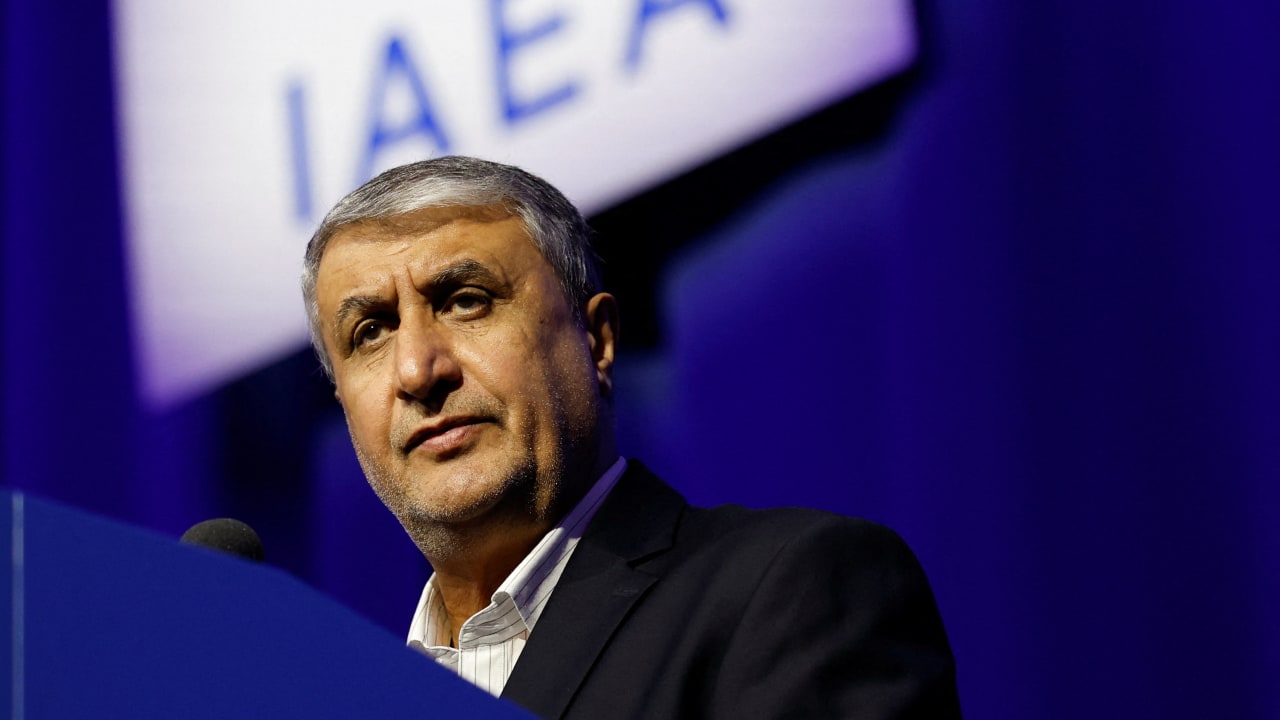
Iran’s nuclear operations have come under scrutiny once again following a significant diplomatic incident involving the country’s top nuclear official, Mohammad Eslami. His planned appearance at the International Atomic Energy Agency (IAEA) General Conference in Vienna was curbed due to increasing pressure from the United States, particularly the Trump administration. This has raised eyebrows among various stakeholders in the international community who are keen on understanding Iran’s nuclear ambitions and compliance.
Iran’s Diplomatic Setback
According to reports, Eslami, who serves as Iran’s Vice President for Nuclear Affairs and leads the Atomic Energy Organization of Iran, intended to address the concerns of the IAEA. However, he was denied entry to Austria due to a lack of a sanctions waiver that the U.S. had pressured the Austrian government to withhold. This decision effectively silenced one of Iran’s most prominent nuclear figures at an important gathering where issues related to global nuclear safety and regulations are front and center.
In an interesting twist, Iranian state media indicated that Eslami had actually departed Tehran for Vienna before learning of the blockade against his participation. This denial of entry not only influences Iran’s representation at the conference but also reflects the complexities and tense dynamics surrounding international nuclear discussions.
U.S. Influence on International Policy
An Austrian government spokesperson directed inquiries to the Foreign Ministry, which did not provide comments on this geopolitical development. The pressure from the United States to restrict Eslami’s attendance at the conference is seen as part of a broader strategy to undermine Iran’s nuclear advancement. This follows warnings from U.S. officials about breaches in international commitments surrounding nuclear non-proliferation by Iran.
U.S. Energy Secretary Chris Wright is reportedly expected to deliver a stern warning to Iran during the Vienna conference, emphasizing the need for full cooperation with the IAEA. His statements will underline the importance of adhering to safeguards while addressing Iran’s nuclear capabilities, which have been described as increasingly opaque by IAEA Director-General Rafael Grossi.
The Broader Implications for Nuclear Oversight
The IAEA’s position has been complicated by recent claims of being “completely blind” to Iran’s nuclear program, a situation aggravated since June 2025. This blindness has been fueled by reports of construction activities at strategic nuclear sites, including the controversial Pickaxe Mountain. Such developments underline a widespread concern about Iran’s intentions, raising alarms about potential violations of international non-proliferation agreements.
In light of these tensions, the participation of a lower-level Iranian delegate is still anticipated later in the week, but Eslami’s exclusion at the conference opening denotes a missed opportunity for transparency. It also underscores the challenges that the IAEA faces in ensuring that its mandate regarding nuclear safeguards and peaceful atom usage is met effectively.
As global tensions regarding nuclear proliferation continue to rise, the unfolding events in Vienna serve as stark reminders of the thin lines that exist between diplomatic engagement and coercive measures. Washington’s continuing focus on strict adherence to non-proliferation principles seeks to balance its international leadership role with the necessity for domestic nuclear energy growth. The growing scrutiny of Iran’s actions in the nuclear realm marks an ongoing critical juncture in international relations and security policy, culminating in urgent questions about future diplomatic engagements.