
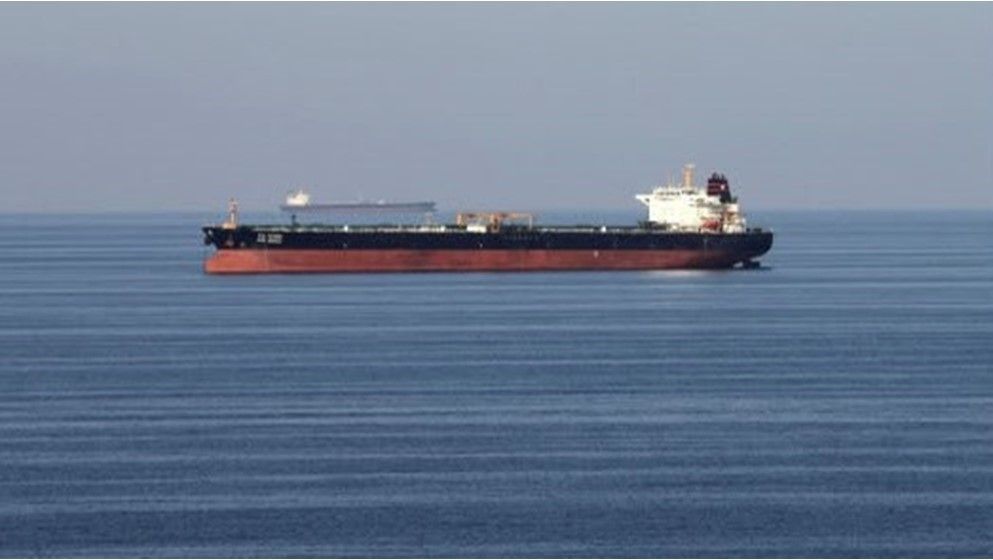
Saudi Arabia has recently put forth amendments to a proposal from Oman and Iran regarding the strategic Strait of Hormuz. This action has garnered attention amid ongoing regional tensions. A Gulf official communicated that these amendments stem from Saudi Arabia’s apprehension that the current language of the proposal might solidify an unacceptable status quo for countries in the Gulf Cooperation Council (GCC).
Postponement of Regional Meeting
Oman’s Foreign Minister, Badr Albusaidi, announced the postponement of a regional meeting intended for Monday in Salalah. This gathering was set to bring together Gulf states and Iran to deliberate over matters related to the Strait of Hormuz. In a statement shared on X, Albusaidi emphasized that the delay aims to foster an environment conducive to constructive discussion and sustainable agreements that would promote security and stability in the region.
The official noted that the decision to postpone followed requests from several regional nations, and was part of a joint agreement between Iran and Oman. The meeting’s rescheduling underscores the delicate nature of the geopolitical landscape in the region and the importance of collaborative dialogues.
Impact on Oil Prices and Shipping Risks
Shifts in the geopolitical environment have led to fluctuations in oil prices, especially in light of Saudi Arabia’s recent decision to close a crucial 1,200-kilometer pipeline due to damage caused by drone attacks. This pipeline is essential for transporting oil from the Middle East, particularly away from the increasingly contentious Strait of Hormuz. The closure of this vital infrastructure has cast doubt on immediate diplomatic advancements between the involved nations.
Recently, incidents have underscored the persistent dangers associated with maritime operations in the Strait. The United Kingdom Maritime Trade Operations (UKMTO) reported that a vessel was struck by a projectile while navigating the strait, resulting in a fire and the crew’s need to evacuate. Such incidents highlight the ongoing risks that international shipping faces in this vital channel, accentuating the urgency for effective diplomatic discussions.
Iran’s Stance on Regional Agreements
Iranian officials had expressed intentions to join the discussions with Gulf states to finalize an agreement regarding shipping regulations through the Strait of Hormuz. However, these plans have become increasingly complex. Iranian Foreign Minister Abbas Araghchi articulated that Iran would not consider reopening the strait unless the United States addresses its demands. This statement reflects the larger geopolitical tensions between Iran and the U.S., especially following the inception of Operation Epic Fury, which aimed to curtail Iran’s nuclear ambitions and regional aggression.
As the situation develops, the geopolitical landscape remains fraught with uncertainty. Observers note that recent escalations in hostilities, prompted by U.S. and Israeli actions, contrast with a brief period of relative calm observed in August. The complexity of these relationships and their impact on oil supply dynamics is a critical concern for global markets.
The postponement of the Salalah meeting, combined with rising oil prices and heightened military activity, suggests that the road to regional stability will be challenging. With diplomatic efforts stalling, the emphasis on finding a consensus remains vital for promoting peace and security in the Gulf region.