
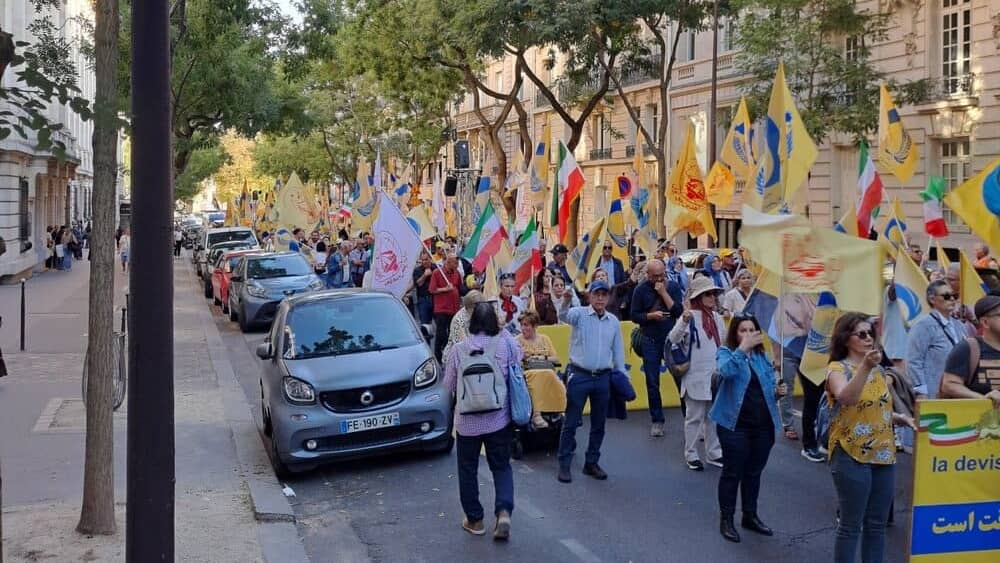
Iran is currently under significant pressure as its regime ramp up control over the country’s socio-political landscape. Recent events have drawn attention to the harsh measures adopted against political dissent and rising civil unrest. As we observe these developments, let’s take a closer look at the various facets of the situation in Iran, highlighting key themes that resonate with the Iranian populace.
Regime’s Intensified Oppression of Political Prisoners
The Iranian government has escalated its crackdown on political prisoners throughout the nation, imposing increasingly severe conditions. This intensified pressure mainly targets individuals who have voiced dissent against the regime. A statement from the National Council of Resistance of Iran (NCRI) highlighted the deteriorating conditions in prisons across cities like Qom and Tehran. Reports detail alarming situations, including inadequate healthcare, scarcity of food, and punitive measures aimed at silencing those who arise against the regime.
Moreover, incidents such as the sudden transfer of political prisoners to less favorable facilities underscore the regime’s resolve to quash dissent. The NCRI has documented reports of inmates battling health issues due to unsanitary living conditions, with issues like infectious diseases becoming more rampant due to inadequate care.
Renewed Crackdown on Hijab Enforcement Amid Protests
On the heels of the fourth anniversary of Mahsa Amini’s untimely death, the Iranian regime is intensifying its efforts to impose mandatory hijab laws. Despite previous protests that erupted following Amini’s death, the regime appears intent on restoring its grip over societal norms through strict enforcement. Reports indicate that morality police have resurfaced in various Iranian cities, engaging in surveillance and interventions focusing on the attire of women.
Amini’s death, attributed to the morality police in 2022, ignited widespread outrage, triggering a wave of protests that questioned the essence of women’s rights in Iran. The regime’s renewed focus on oppressive policies is seen by many as a desperate attempt to divert attention away from the ongoing economic and political struggles faced by the populace.
Challenges at International Forums
As Iranian officials prepare to make their presence felt at the United Nations General Assembly, opposition groups and activists are gearing up to challenge their legitimacy. Demonstrations are planned outside the UN headquarters to emphasize that the Iranian regime does not represent the aspirations and wishes of the Iranian people. For years, the regime has utilized international venues to portray itself as the legitimate representative of Iran, while suppressing dissent at home.
This year, the stakes are higher, with activists pushing back against the narrative that a regime responsible for extensive human rights abuses could claim legitimacy. The voices of those who oppose the regime seek international acknowledgment as they aim to pressure the government into reassessing its practices.
Economic Hardship and Its Impact on the Middle Class
Beyond political repression, Iran is facing an economic crisis that is rapidly diminishing the middle class. The skyrocketing cost of essential goods is pushing many families into poverty, exacerbating social tensions further. Basic food items such as meat and dairy products are increasingly out of reach for average citizens, with inflation exacerbating these issues. The spiraling value of the Iranian currency further contributes to a harsh financial landscape.
As living costs rise, the disparity between income and living standards is creating a class of “working poor.” Many individuals continue to earn a wage, yet struggle to secure basic necessities—indicating a systemic failure that runs deep within Iran’s socio-economic framework.
In conclusion, the multifaceted struggles faced by Iranians in 2026, from political repression to economic hardships, paint a stark picture of a nation in turmoil. As actions unfold, both domestically and internationally, the resilience of the Iranian people continues to emerge, signaling a collective demand for change and justice.